Venice for First-Time Visitors: What to See, Where to Stay and How to Get Around
How long to stay, where to base yourself, how the vaporetto works and how to see Venice beyond St Mark's — a practical plan for a first visit.
Editorial Team
- Published
- Updated
- Reading time
- 24 min read
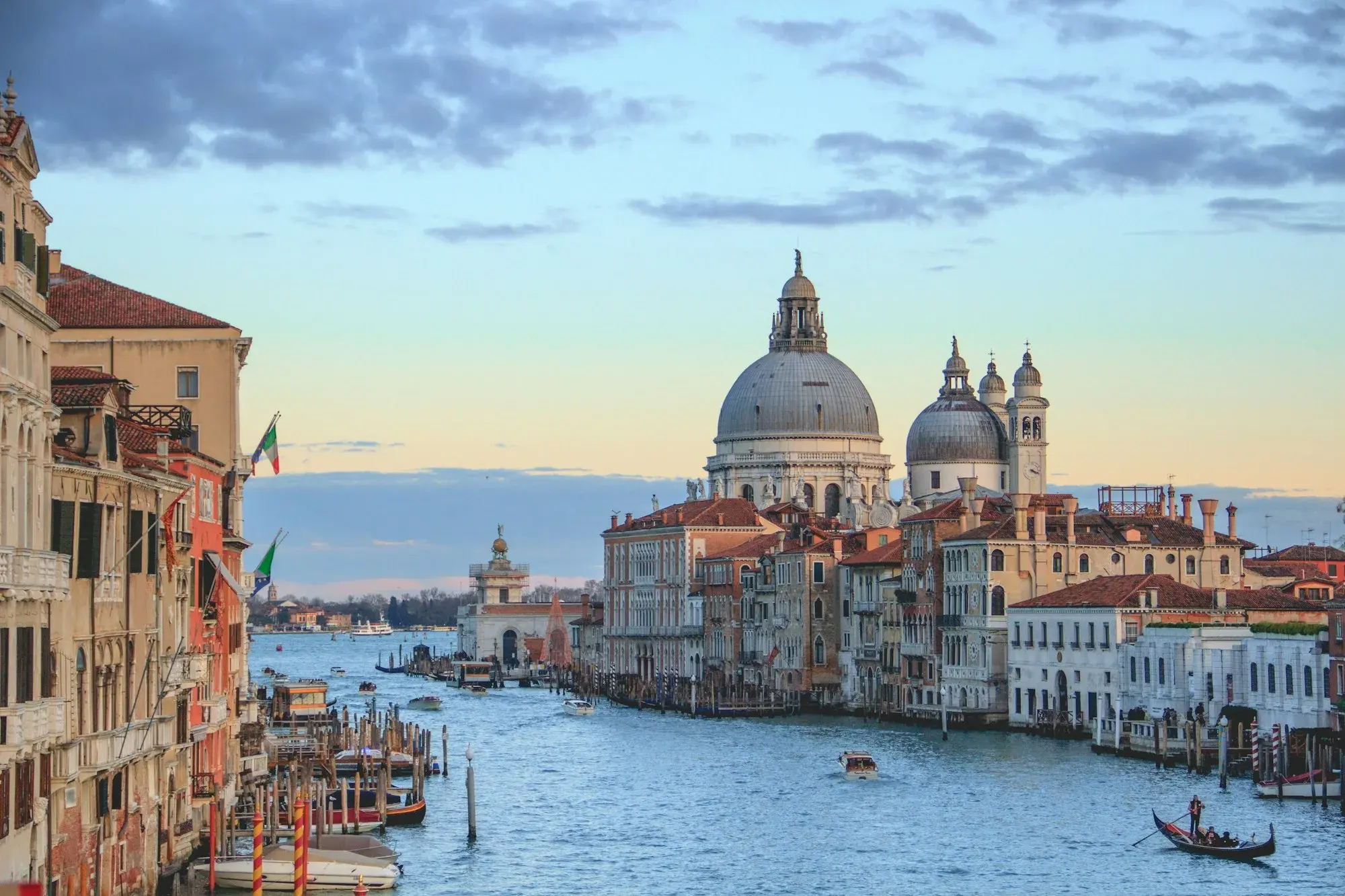
Venice works differently from any other Italian city. There are no cars, the streets are footpaths and bridges, the buses are boats, and where you sleep shapes your whole trip. Most first-time visitors spend nearly all their time between the railway station, the Rialto Bridge and St Mark's Square — the busiest corridor in the city. This guide covers those essentials and then goes beyond them, into the neighbourhoods, museums and lagoon islands that give Venice its depth.
Short answer
Two to three days suits a first visit to Venice: enough for St Mark's Basilica, the Doge's Palace and the Rialto, a museum or two, a quieter neighbourhood and possibly an island. The historic centre is car-free — you get around on foot and by water, using the vaporetto (water bus) for longer hops and walking for everything else. That makes where you stay unusually important: every bridge, stair and extra water-bus ride adds up, especially with luggage. Stay in the historic centre if you can, and see Venice in the early morning and evening, when day visitors have left.
Venice at a glance
- Recommended first visit
- 2–3 days
- Best for
- Art, architecture, history, food and atmosphere
- Main arrival station
- Venezia Santa Lucia — not Venezia Mestre, which is on the mainland
- Main airport
- Venice Marco Polo (Tessera), on the mainland
- Getting around
- Walking, plus ACTV water buses (vaporetti)
- Car needed?
- No — cars stop at Piazzale Roma and Tronchetto
- Main booking priorities
- Accommodation, St Mark's Basilica and the Doge's Palace
- Popular islands
- Murano, Burano and Torcello; also the Lido and Giudecca
Is Venice worth visiting?
Yes — and it's worth doing properly. Venice was the capital of a maritime republic that lasted more than a thousand years, and the city still shows it: Byzantine mosaics in St Mark's, the Gothic Doge's Palace, Renaissance and Baroque paintings by Bellini, Titian, Tintoretto and Veronese, and palaces lining a canal that serves as the main street. The historic city and its lagoon are a UNESCO World Heritage Site.
Venice is also crowded, particularly around St Mark's and the Rialto in the middle of the day, and it's a real city with a shrinking resident population and serious pressure from tourism. The practical answer is to stay overnight, move beyond the main corridor, visit the headline sights early or late, and respect the city's rules. Travellers who do this tend to find a quieter, more varied place than the day-trip version suggests.
How many days do you need in Venice?
| Length | What it allows | Trade-offs |
|---|---|---|
| Day trip | St Mark's Square, the Basilica or the Doge's Palace, the Rialto and a walk | Mostly the busiest areas at the busiest times; no evening |
| 1 night | Adds an evening and an early morning — the calmest hours in the centre | Still little time for museums or islands |
| 2 days | The main sights, one major museum and a quieter neighbourhood | Islands would take most of a day |
| 3 days | Adds Murano and Burano (or Torcello), more art and unplanned time | Usually the best balance for a first visit |
| 4 days or more | Slower exploring, the Lido or Giudecca, or a trip to Padua or Verona | Accommodation in the centre adds up over longer stays |
What to see on a first visit
Opening days vary, and several museums close one day a week. The notes below say how each place fits into a first visit; check the official site before planning a day around any of them.
St Mark's Square
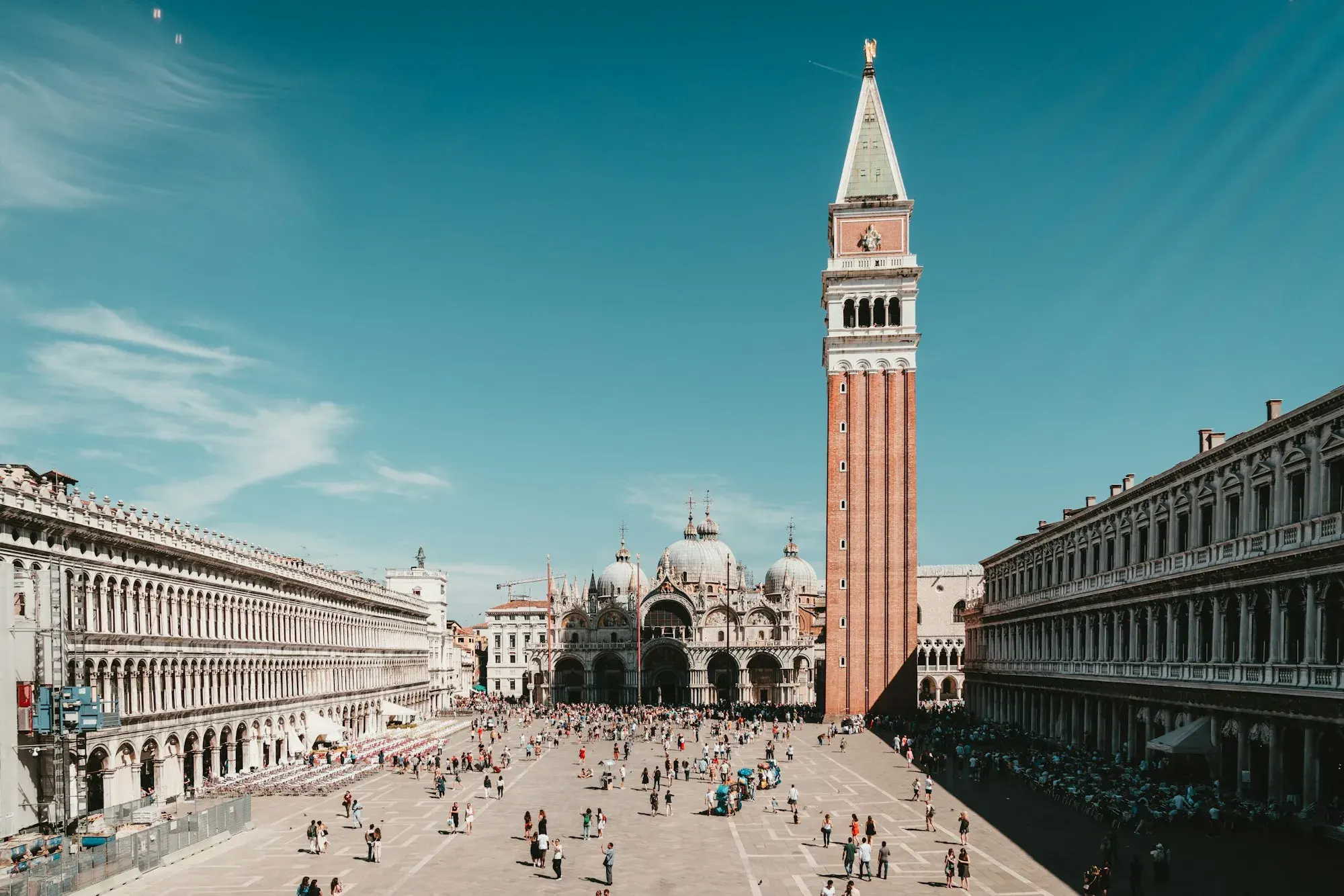
Piazza San Marco is the city's great public space, framed by the Procuratie arcades, the Basilica, the Campanile (bell tower) and, towards the water, the Doge's Palace. It's at its best early in the morning or after dark. It's also one of the lowest points in the city, so it's often the first place to flood during high water.
St Mark's Basilica
The Basilica is Venice's cathedral and its most important building, covered inside with gold-ground mosaics. It's a place of worship first: visits can be suspended for services, and on Sundays and religious holidays the Basilica opens to visitors only in the afternoon. Tickets are sold with a timed entry slot through the official ticket office (opens in a new tab), and separate tickets cover the Pala d'Oro altarpiece, the museum with the original bronze horses, and the Campanile.
Under a new system introduced by the Procuratoria di San Marco, the Basilica ticket also gives entry, within six months, to the Basilica of Santa Maria Assunta on Torcello, the sacristy of the Salute and more than 40 other churches around the city. Allow about an hour, and book a slot ahead in busy periods.
The Doge's Palace
The Palazzo Ducale was the seat of the Venetian Republic's government and courts. Its council chambers hold some of the largest paintings in Venice, including Tintoretto's Paradise. The standard ticket, the St Mark's Square Museums ticket, also covers the Museo Correr, the National Archaeological Museum and the monumental rooms of the Marciana Library. Guided Secret Itineraries tours of the palace's hidden offices and prisons are booked separately. According to the palace's website (opens in a new tab), buying online at least 30 days ahead is cheaper. Allow two to three hours.
The Bridge of Sighs
The enclosed white stone bridge links the Doge's Palace with the New Prisons across the canal. You see it from the outside from the Ponte della Paglia on the waterfront, and you cross it from the inside as part of a Doge's Palace visit. It takes only a few minutes to see, but it's always busy.
The Rialto Bridge and market
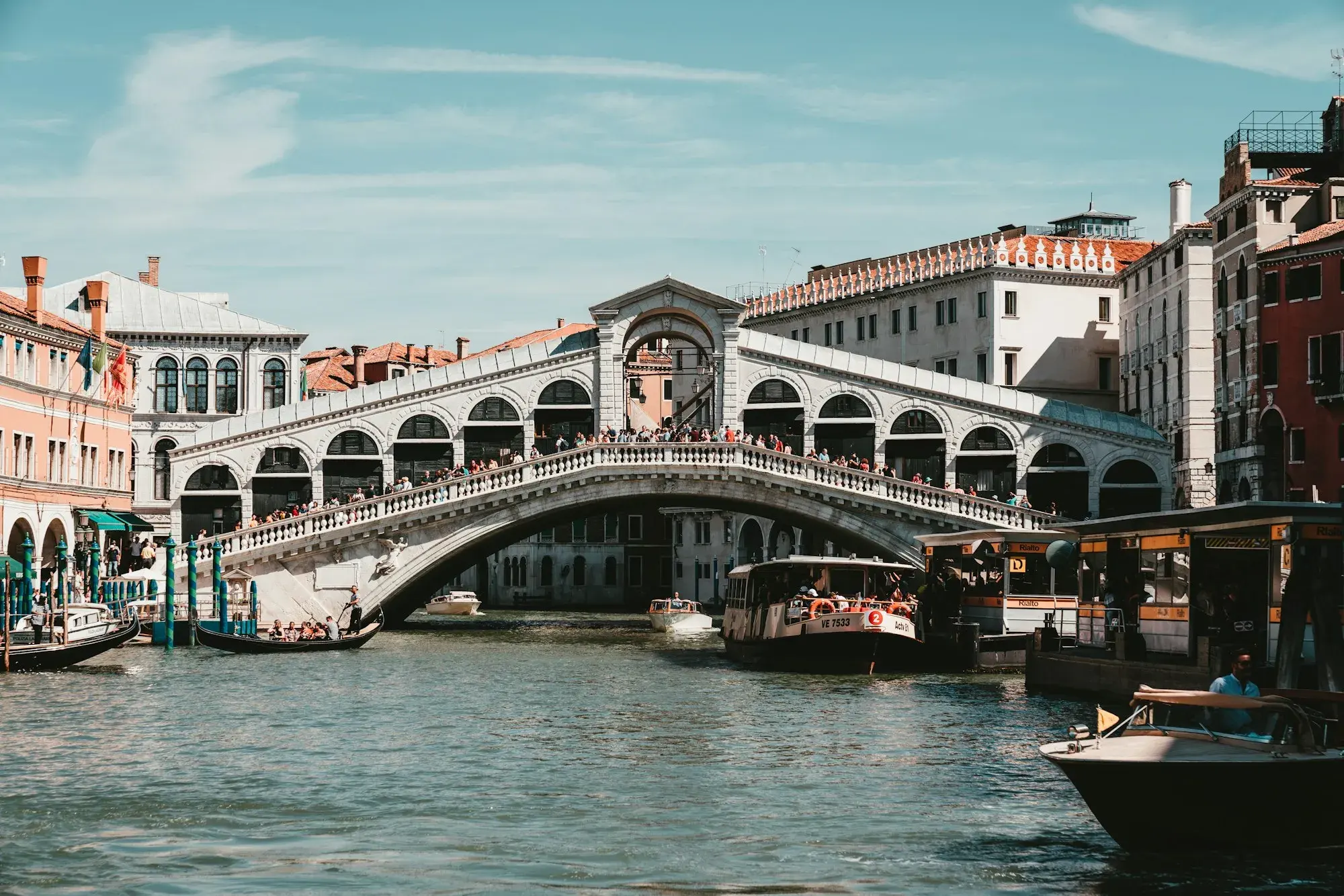
The stone Rialto Bridge, completed at the end of the 16th century, was for centuries the only fixed crossing of the Grand Canal. The area around it was Venice's commercial centre and still holds the Rialto Market: fruit and vegetable stalls and the Pescheria, the fish market, which trades in the mornings and is usually closed on Sundays and Mondays. Go early to see it working, and combine it with a walk through San Polo.
The Grand Canal
The Grand Canal curves for about 4 kilometres through the city, lined with palaces built over several centuries. The simplest way to see it is from a vaporetto: line 1 stops at most landings along the canal, so it's slow but good for looking. A ride from the station or Piazzale Roma to St Mark's is a sensible first trip in Venice.
Gallerie dell'Accademia
The Accademia holds the most important collection of Venetian painting, from gold-ground altarpieces of the 14th century to the 18th century, including Giorgione's The Tempest, Veronese's huge Feast in the House of Levi and works by Bellini, Titian and Tintoretto. According to the museum (opens in a new tab), it's open Tuesday to Sunday, and online booking is recommended on busy days. Allow two hours.
Peggy Guggenheim Collection
Peggy Guggenheim's former home on the Grand Canal holds her collection of 20th-century art — Cubism, Surrealism and Abstract Expressionism, with works by Picasso, Pollock, Magritte and others — plus a sculpture garden. The museum is closed on Tuesdays, recommends buying timed tickets online, and doesn't allow large bags inside. Allow one and a half to two hours. It pairs naturally with the Accademia nearby.
Teatro La Fenice
Venice's opera house has burned and been rebuilt more than once — most recently after a fire in 1996, reopening in 2003. You can see the auditorium on a visit when it's not in use, or go to a performance; check the theatre's official site (opens in a new tab) for visit arrangements and the programme. Allow about an hour for a visit.
Santa Maria della Salute
The great domed church at the entrance to the Grand Canal was built as a thank-you for the end of the plague of 1630, and every 21 November Venetians cross a temporary bridge to it for the Festa della Salute. Its sacristy, which holds paintings by Titian and Tintoretto, is included in the St Mark's Basilica ticket. It's a short walk from the Accademia and the Guggenheim.
The Jewish Ghetto
In 1516 the Venetian Republic confined the city's Jews to an area of Cannaregio around a former foundry, the getto — the origin of the word ghetto. Its tall houses and synagogues remain, and it's still the centre of the Jewish community. The Jewish Museum is finishing a major renovation, with reopening planned for autumn 2026; synagogue tours have continued. The complex is closed on Saturdays and Jewish holidays — check the official site (opens in a new tab) before you go.
Scuola Grande di San Rocco
The headquarters of a religious confraternity founded in 1478, the Scuola holds more than 60 paintings by Tintoretto, still in the rooms they were painted for. It's one of the most rewarding art visits in Venice and rarely as crowded as St Mark's. According to its website it's open every day except 1 January and 25 December, with shorter hours on Sundays. The Frari church, with Titian's Assumption, is next door. Allow one to two hours for both.
Planning your priorities
A planning aid, not a ranking: adjust it to your interests.
| Place | First-visit priority | Typical time | Book ahead? |
|---|---|---|---|
| St Mark's Basilica | High | About 1 hour | Useful — timed slots |
| Doge's Palace | High | 2–3 hours | Useful; cheaper online 30+ days ahead |
| Grand Canal by vaporetto | High | 30–45 minutes | No |
| Rialto Bridge and market | High | 1 hour, in the morning | No |
| Gallerie dell'Accademia | Medium–high | About 2 hours | Recommended on busy days |
| Scuola Grande di San Rocco and the Frari | Medium–high | 1–2 hours | Usually not |
| Peggy Guggenheim Collection | Medium | 1½–2 hours | Recommended; closed Tuesdays |
| Santa Maria della Salute | Medium | 30 minutes | No |
| Jewish Ghetto | Medium | 1–2 hours | Check tour availability |
| Teatro La Fenice | Optional | About 1 hour | Check the official site |
Venice beyond San Marco
Venice's historic centre is divided into six sestieri (districts): San Marco, Castello, Cannaregio, San Polo, Santa Croce and Dorsoduro, with the island of Giudecca across the water. None of them is undiscovered — all are well known and visited — but the further you walk from the Rialto–San Marco route, the more everyday Venice you see: washing strung across canals, neighbourhood bars, children playing in the campi (squares).
Cannaregio
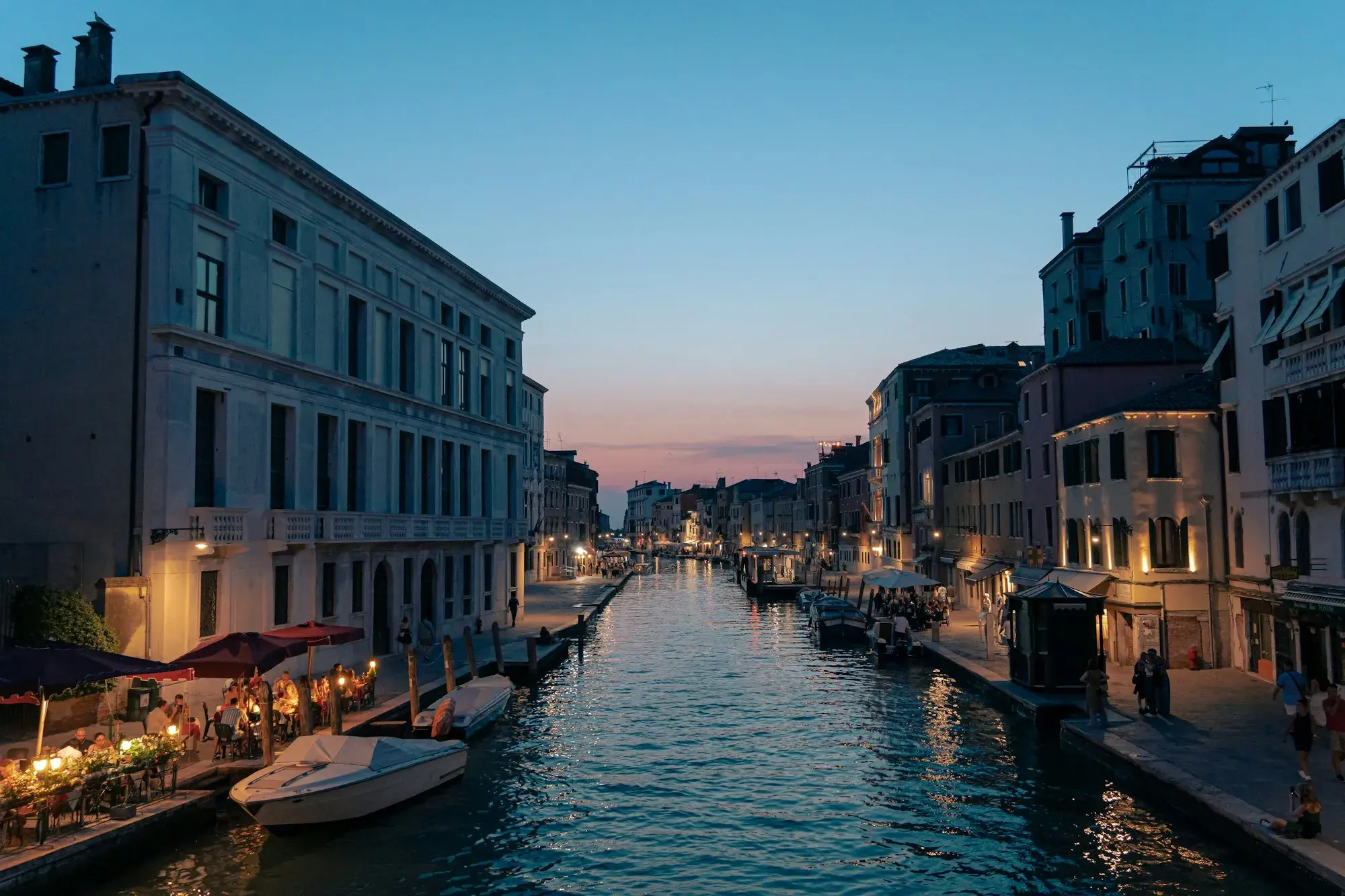
North of the station, Cannaregio is where many Venetians live. The Strada Nova carries a stream of people towards the Rialto, but the parallel fondamente — canal-side walkways such as the Fondamenta della Misericordia and Fondamenta degli Ormesini — are lined with bars and restaurants that fill up in the early evening. It's home to the Jewish Ghetto and the Madonna dell'Orto church, where Tintoretto is buried, and from Fondamente Nove boats leave for the northern lagoon.
Castello
Castello, the largest sestiere, stretches east from St Mark's. Near the Basilica it's busy — this is where you'll find Santi Giovanni e Paolo, the church where many doges are buried — but it becomes more residential the further east you go, towards Via Garibaldi, the Arsenale (the Republic's shipyards) and the Giardini, the gardens where the Biennale is held.
Dorsoduro
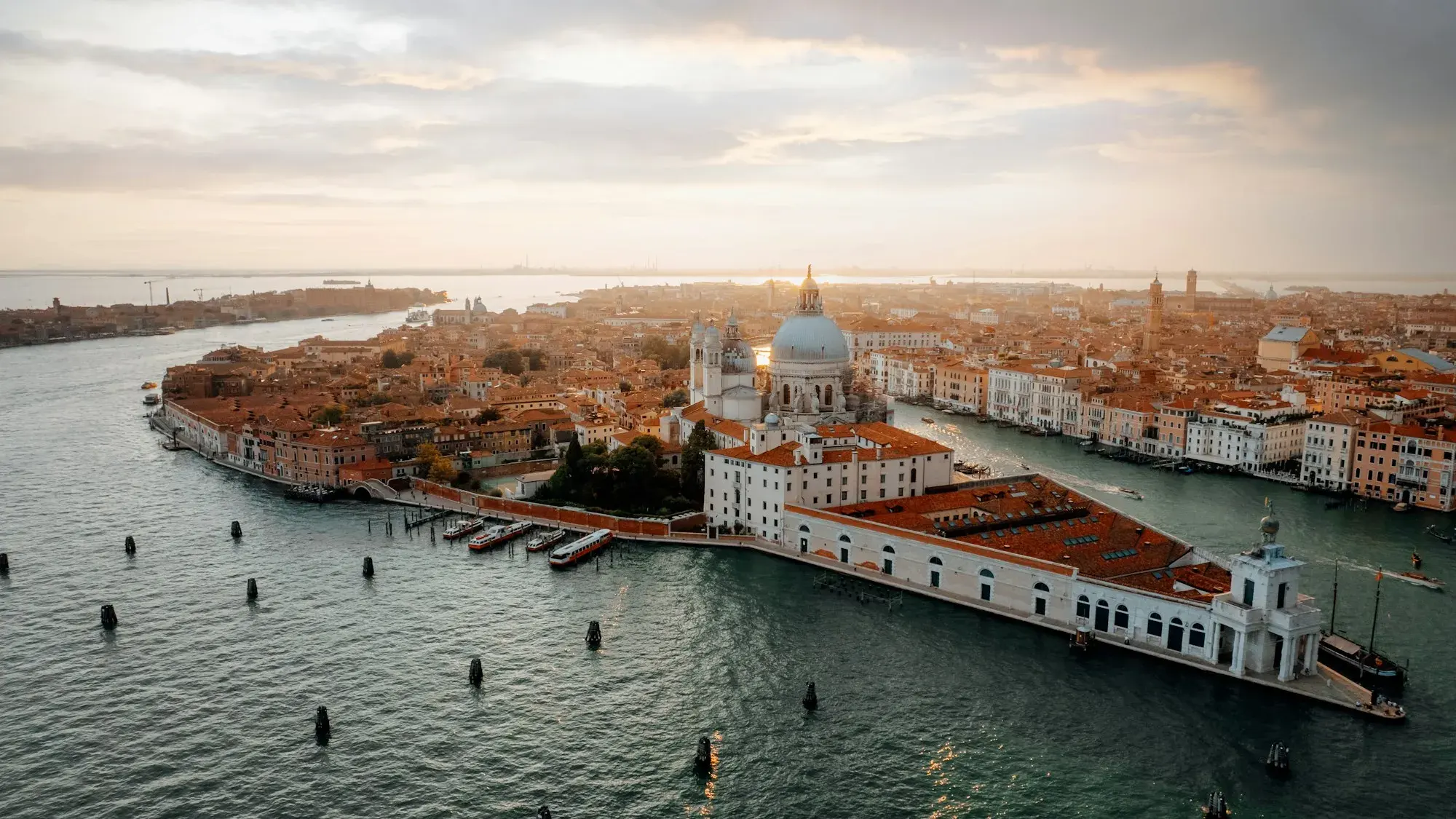
South of the Grand Canal, Dorsoduro combines major museums — the Accademia, the Guggenheim and Punta della Dogana — with a student quarter around Campo Santa Margherita and the Zattere, a long, sunny waterfront facing Giudecca that's ideal for an evening walk.
San Polo and Santa Croce
These two small sestieri on the far side of the Rialto are threaded with lanes and small squares. San Polo has the market, the Frari, the Scuola Grande di San Rocco and Campo San Polo, the city's largest square after St Mark's; Santa Croce, near Piazzale Roma, is quieter, with squares such as Campo San Giacomo dall'Orio.
Giudecca
Across the wide Giudecca Canal, this long island has residential streets, former industrial buildings and Palladio's Redentore church, the focus of the Festa del Redentore in July. Its waterfront gives some of the best views back to Venice. It's a few minutes by vaporetto from the Zattere or San Marco.
Venice in 1, 2 or 3 days
One day
Historic Venice
Early morning: St Mark's Square before the crowds, then the Basilica (booked slot). Late morning: the Doge's Palace. Afternoon: walk to the Rialto, then take line 1 along the Grand Canal. Evening: cicchetti in a bacaro, away from St Mark's.
Two days
Art and quieter corners
Day one as above. Day two: the Rialto market in the morning; the Frari and the Scuola Grande di San Rocco; the Accademia or the Guggenheim in the afternoon; sunset on the Zattere and dinner in Dorsoduro or Cannaregio.
Three days
The lagoon and slower time
Days one and two as above. Day three: a boat from Fondamente Nove to Murano and Burano (or Torcello); back in time for an evening walk through Cannaregio or Castello. Leave one block of time unplanned.
Where to stay in Venice
In Venice, location matters more than almost anywhere else. Staying in the historic centre means you can see the city early and late, when it's calmest, but you'll carry your luggage over bridges and pay more. Staying on the mainland in Mestre usually means more choice and lower prices, but every visit starts with a bus, tram or train and you miss Venice at night. Wherever you stay, check the nearest vaporetto stop and the number of bridges between it and your door.
| Area | Proximity to sights | Atmosphere | Transport and luggage | Price considerations |
|---|---|---|---|---|
| San Marco | Closest to the Basilica, the Palace and La Fenice | Very busy by day; quieter late at night | Many water-bus stops; bridges from the station | Usually the most expensive |
| Cannaregio | Walkable to the Rialto; close to the station | Residential, lively canal-side evenings | Near the station reduces luggage hauling | Often more varied |
| Dorsoduro | Near the Accademia, the Guggenheim and the Zattere | Artistic, relaxed, student quarter | Several stops on the Grand Canal and Zattere | Mid to high |
| Castello | Walkable to St Mark's; quieter further east | From busy to residential | Waterfront stops along the Riva | Varies by distance from St Mark's |
| San Polo | Central, around the Rialto and the Frari | Lanes and small squares | Central, but many bridges | Mid to high |
| Santa Croce | Near Piazzale Roma; walkable to the Rialto | Quieter, local | Easiest for arriving by road or airport bus | Often more moderate |
| Mestre (mainland) | A short train ride to Santa Lucia, or bus or tram to Piazzale Roma | Ordinary modern town | No bridges or boats with your luggage | Usually lower |
| If you want… | Consider | Why |
|---|---|---|
| The easiest first visit | San Marco or Castello near St Mark's | The main sights are on your doorstep |
| An easy arrival with luggage | Cannaregio near the station or Santa Croce near Piazzale Roma | Few or no bridges from the train or airport bus |
| Evenings in a lived-in neighbourhood | Cannaregio or Castello | Canal-side bars and quieter streets |
| Art and views | Dorsoduro | Museums and the Zattere waterfront |
| A lower budget or a car | Mestre | Mainland prices and parking; trains to Venice |
The Comune di Venezia charges a tourist tax per person per night in the historic centre, on the islands and on the mainland; the amount depends on the season and type of accommodation. Hotels in the historic centre often ask guests to come by water taxi or give walking directions from a vaporetto stop — follow them.
Venice's neighbourhoods
| Area | Character | Good for | Considerations |
|---|---|---|---|
| San Marco | The political and ceremonial heart: the square, the Basilica, the Palace, shops and hotels | First-time sightseeing, La Fenice | The most crowded area by day; floods first at high water |
| Castello | The largest sestiere, from grand churches near St Mark's to residential streets near the Arsenale | Walks, the Biennale, a local feel further east | Distances are long to the far end |
| Cannaregio | Residential, with long fondamente, the Jewish Ghetto and Fondamente Nove | Evenings, the Ghetto, boats to the islands | The Strada Nova is busy with through-traffic |
| San Polo | The smallest sestiere: the Rialto market, the Frari, San Rocco | Markets, art, food | Narrow lanes crowd near the Rialto |
| Santa Croce | Quieter squares near Piazzale Roma | Arrivals by road, a calmer base | Fewer headline sights |
| Dorsoduro | Museums, a university quarter and the Zattere | Art, sunsets, relaxed evenings | The Accademia area is busy at midday |
| Giudecca | A separate island with residential streets and the Redentore | Views of Venice, quiet | You'll rely on the vaporetto to cross |
| Lido | A long barrier island with beaches, cars and villas | Beaches in summer, the Film Festival | A boat ride from the centre |
Getting around Venice
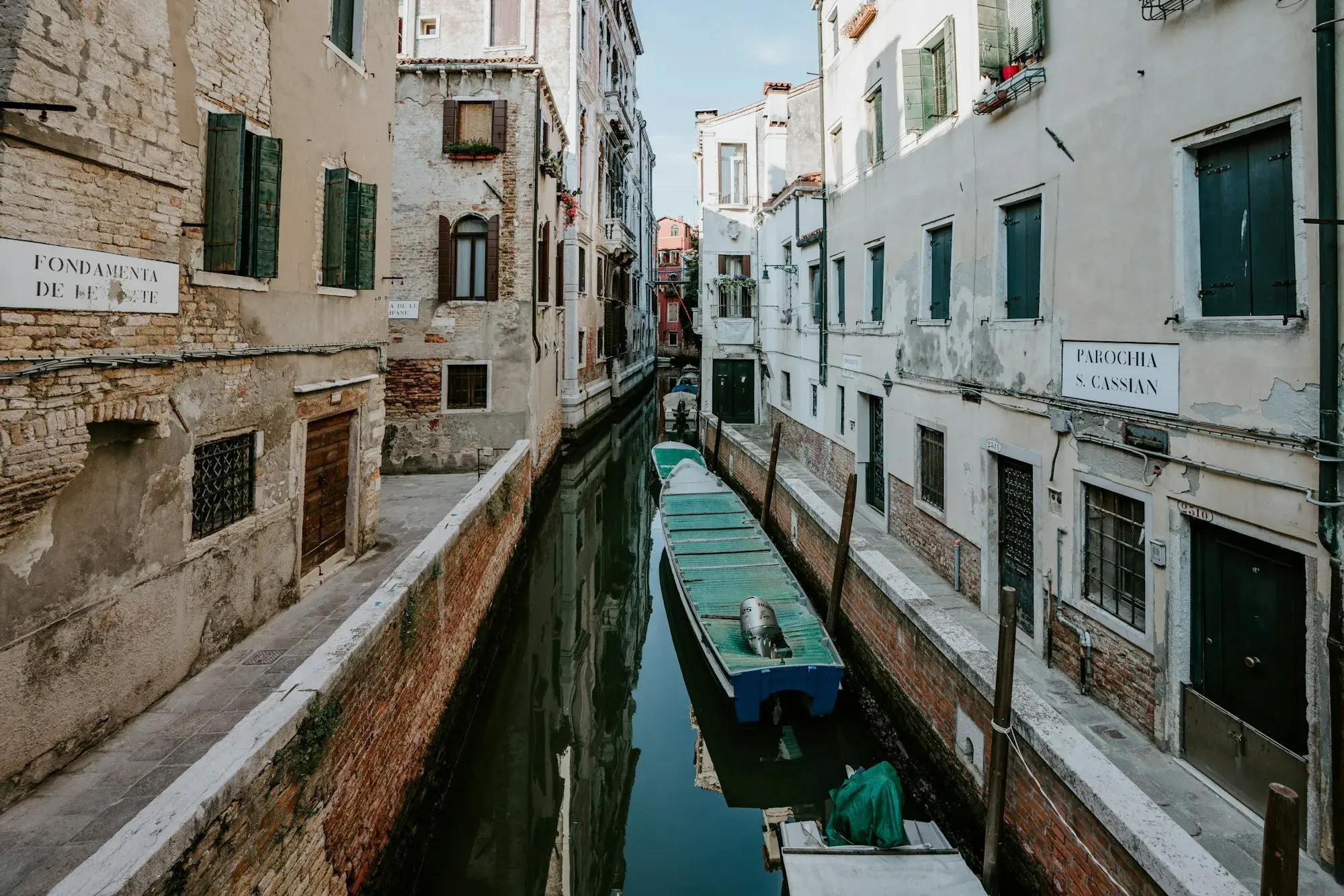
Venice is compact and almost entirely walkable, but it's not effortless. The historic centre is made up of more than a hundred small islands joined by bridges, and most bridges have steps. Streets can be very narrow, signs point in several directions, and crowds slow everything down around the Rialto and St Mark's. Allow more time than a map suggests.
| Option | Best for | Things to know |
|---|---|---|
| Walking | Most journeys within the centre | Steps on most bridges; comfortable shoes are essential |
| Vaporetto (ACTV water bus) | The Grand Canal, longer hops, the islands | Public transport; routes and frequencies change by season |
| Traghetto | Crossing the Grand Canal where there's no bridge | A gondola ferry at a few points; availability varies |
| Water taxi | Luggage, groups, limited mobility, arrivals | Private motorboats; agree the price before you board |
| Gondola | The experience, not transport | Standard fares set by the city; agree price and duration first |
| Buses and trams (mainland) | Mestre, the airport and Piazzale Roma | Piazzale Roma is the end of the road for all vehicles |
Gondola rides
A gondola ride is a short, slow trip through the canals — typically around half an hour — rowed by a licensed gondolier. It's an experience rather than a means of transport. Standard fares are set by the city for a set duration, with a higher evening rate, and apply per gondola rather than per person, so sharing reduces the cost. Agree the price and the length of the ride before you set off. For a brief, much cheaper taste, a traghetto crosses the Grand Canal at a few points.
Bridges, luggage and accessibility
According to the City of Venice, the historic centre is made up of 129 insulae (small islands), of which 66 are accessible to visitors with reduced mobility: 46 through accessible water-bus stops and 20 through bridges fitted with ramps. The city has mapped 14 accessible routes, covering around 14 kilometres, from St Mark's to the Rialto, the Zattere and the Frari, and on Murano, Burano and Torcello. Details, including ACTV concessions for passengers with reduced mobility, are on the Accessible Venice (opens in a new tab) page.
- Plan routes, not distances. A short walk can include several stepped bridges; the accessible routes show where the step-free options are.
- Use the water bus for level access. Many vaporetto stops are floating pontoons, which can be easier than bridges — though the boat moves and boarding can be busy.
- Check each attraction. The Doge's Palace, for example, has a lift and is on the city's accessible routes; conditions vary elsewhere, so check official information for each place.
- Travel light. Rolling a large suitcase over bridge steps is hard work for you and those behind you. A smaller bag, a porter service or a water taxi makes arrival easier.
Vaporetto and water transport
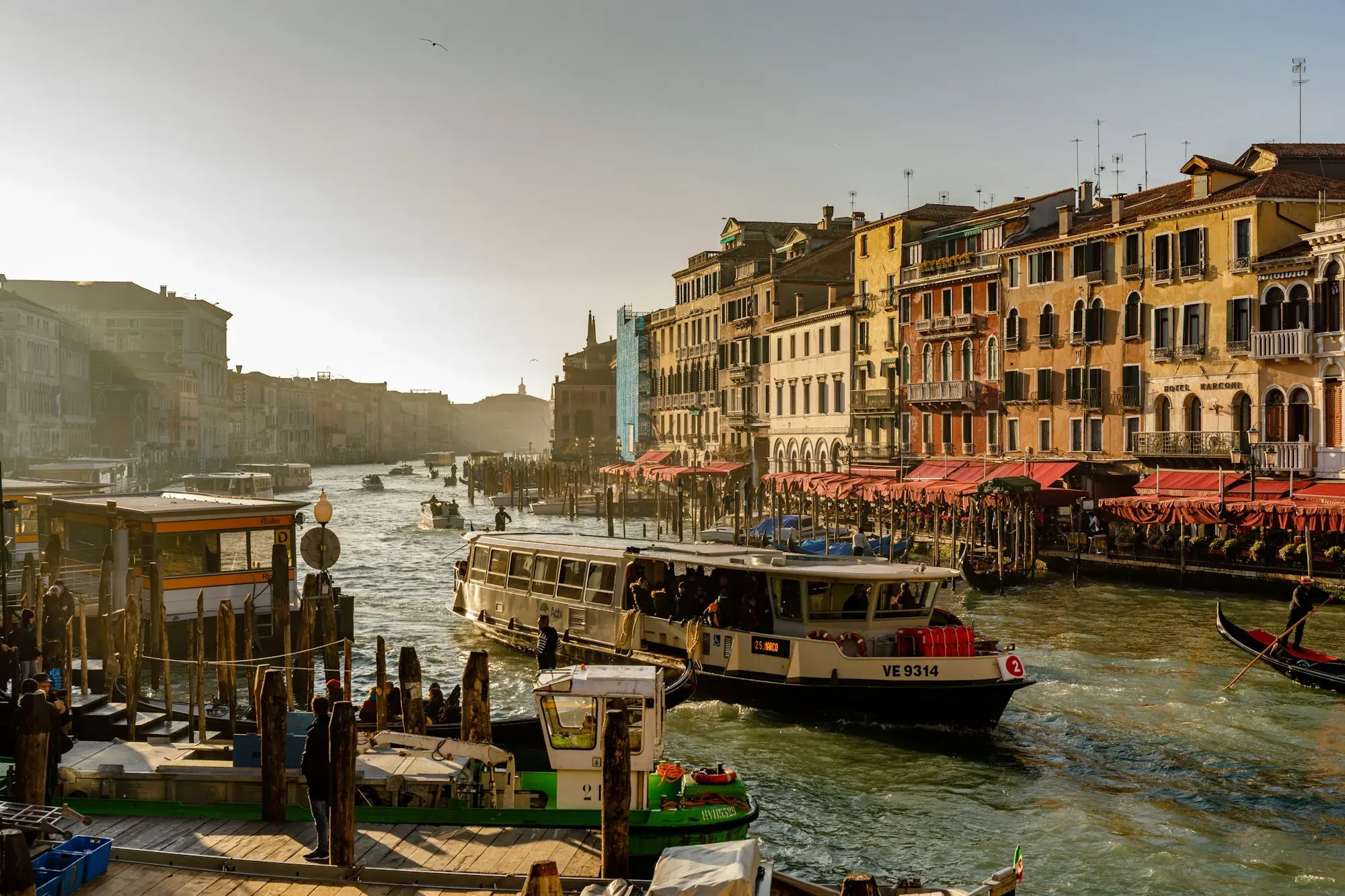
The vaporetto is Venice's water bus, run by the public transport company ACTV. It's used by residents and visitors alike, and it's how you'll reach the islands. Lines run along the Grand Canal, around the outside of the historic centre and out across the lagoon.
- Grand Canal. Line 1 stops at most landings between Piazzale Roma, the station, the Rialto, the Accademia and St Mark's, so it's slow but scenic. Line 2 serves the Grand Canal with fewer stops.
- Around the centre. Circular lines (such as 4.1 and 4.2, and 5.1 and 5.2) run around the outside of the city, linking the station and Piazzale Roma with Fondamente Nove, the Giudecca Canal, the Lido and Murano.
- The lagoon. Line 12 runs from Fondamente Nove to Murano, Mazzorbo, Burano and Torcello.
Tickets and passes — single journeys and passes for one, two, three or seven days — are sold by Venezia Unica, the official sales network, online, at ticket offices and machines, and in the AVM Venezia app. ACTV also accepts contactless bank cards and phones: you tap in at the reader before stepping onto the floating stop, and again for every boat you change onto; the system applies the best fare for the journeys made. Validate every ticket before boarding.
Each ticket includes a limited amount of luggage, with size limits; larger or extra bags need their own ticket, and crew can refuse luggage when boats are crowded. Routes, stops and frequencies change with the season, events, works and tides, so check the current timetable on the ACTV website (opens in a new tab) or in the app rather than relying on older guides, and look at the signs on each stop — the same line number can run in two directions.
Venice airport
Venice Marco Polo airport is on the mainland at Tessera, north-east of Mestre. It isn't connected to the railway, so you reach Venice by bus, by boat or by car. According to the airport, tickets are sold at the public transport office in the arrivals hall, at machines in baggage reclaim and at the Alilaguna desks by the dock.
| Option | Where it goes | Trade-offs |
|---|---|---|
| ATVO express bus | Piazzale Roma (and Mestre), without intermediate stops | Quick and simple; then walk or take a vaporetto into the city |
| ACTV bus (AEROBUS) | Piazzale Roma; other ACTV lines serve Mestre | Local bus with stops; combined bus and vaporetto tickets are available |
| Alilaguna water bus | The historic centre and the islands of Murano, Burano, the Lido and Certosa | Direct to many parts of the city by boat, but slower |
| Water taxi | Close to your hotel if it has a water entrance | The most direct option and the most expensive; agree the price first |
| Road taxi | Piazzale Roma or Mestre | Fixed fares apply to and from the airport; you still continue on foot or by boat |
| Private transfer (NCC) | Piazzale Roma or mainland addresses | Booked in advance with a licensed operator |
From Piazzale Roma, the station is about 10 minutes' walk over the Ponte della Costituzione, and the vaporetto continues along the Grand Canal. If you've booked a hotel in Mestre, the ATVO and ACTV buses also stop there. For airports across Italy, see airport transfers in Italy.
Venice by train
Venezia Santa Lucia is the end of the line: you walk out of the station straight onto the Grand Canal, with the Ferrovia vaporetto stop in front of you. Venezia Mestre is the mainland station, where many trains stop first — if you're staying in the historic city, stay on until Santa Lucia.
Trenitalia's Frecciarossa and Italo high-speed trains link Venice with Milan (about 2¼–2½ hours), Florence (about 2 hours), Bologna and Rome (about 3½–4 hours), usually with stops at Padua. Regional trains run to Padua, Verona and Treviso for day trips. Check current timetables with the operators. For tickets and validation, read Italy by train.
Murano, Burano and the lagoon
The lagoon islands are one of the best reasons to have a third day. Each is quite different, and you don't need to see them all.
| Island | Known for | Time to allow | Getting there | Fits into… |
|---|---|---|---|---|
| Murano | Glassmaking since the 13th century, the Glass Museum, canal-side glass shops | 2–3 hours | Short vaporetto ride from Fondamente Nove (lines 4.1/4.2, 12) | 2 or 3 days; combine with Burano |
| Burano | Brightly painted houses, lace-making and the Lace Museum | 2–3 hours | Line 12 from Fondamente Nove, via Murano | 3 days |
| Torcello | The lagoon's earliest settlement and the Basilica of Santa Maria Assunta, with Byzantine mosaics | 1–2 hours | Short hop from Burano on line 12 | 3 days, for history lovers |
| Lido | Beaches, Liberty-style villas, the Venice Film Festival | Half a day to a day | Vaporetto from San Marco or Fondamente Nove | Longer stays or summer |
| Giudecca | Views back to Venice, the Redentore | 1–2 hours | Vaporetto across the Giudecca Canal | Any length of stay |
| San Michele | Venice's cemetery island | 1 hour | Between Fondamente Nove and Murano | Quiet detour on the way to Murano |
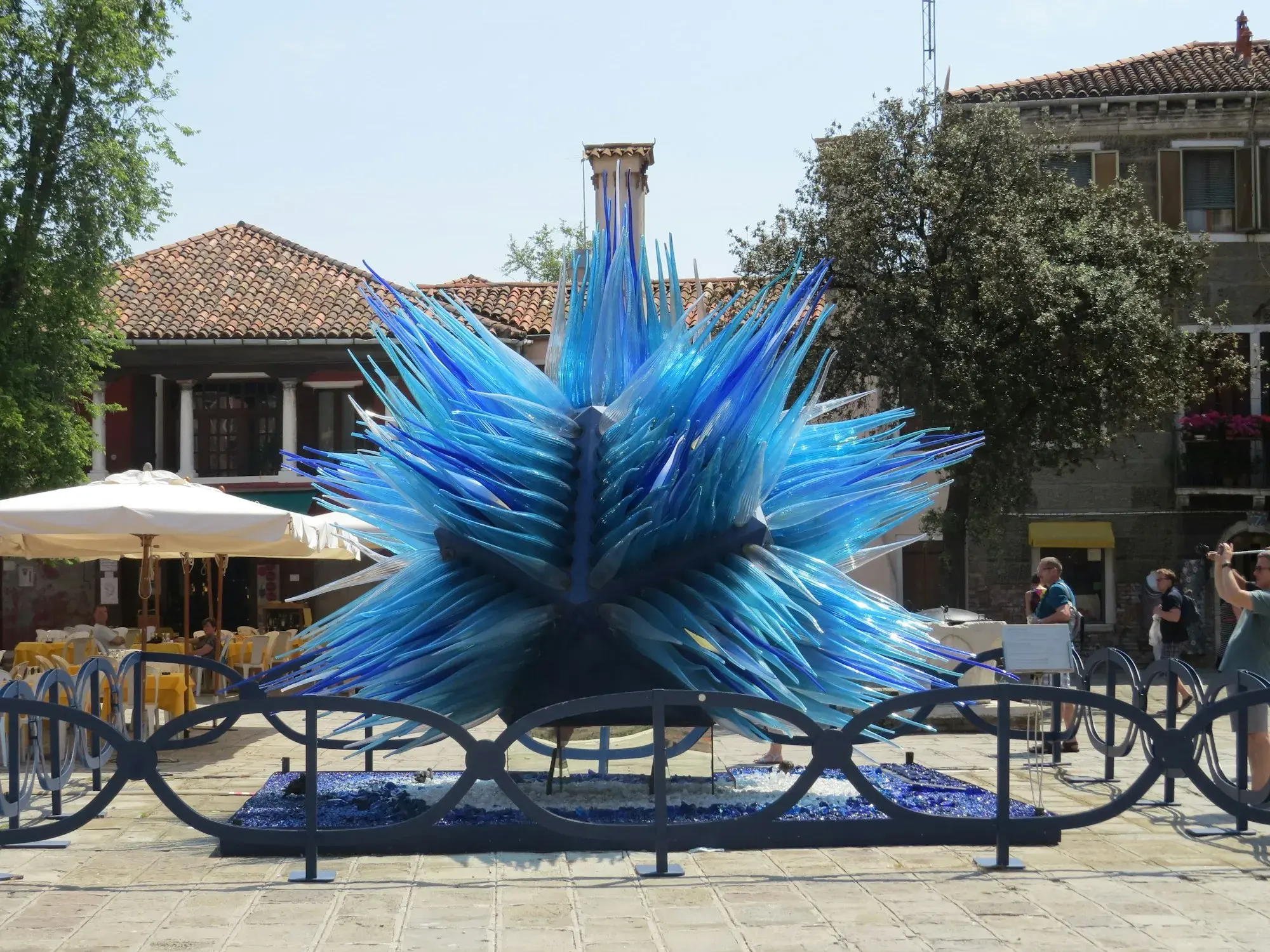
Murano and Burano together make a good half-day or full day: go early, take line 12 out to Burano, and stop at Murano on the way back. Add Torcello if you're interested in early Venetian history. Glass furnace demonstrations vary: some are free, while others are part of a sales pitch. It's best to buy glass from businesses that show certification of origin.
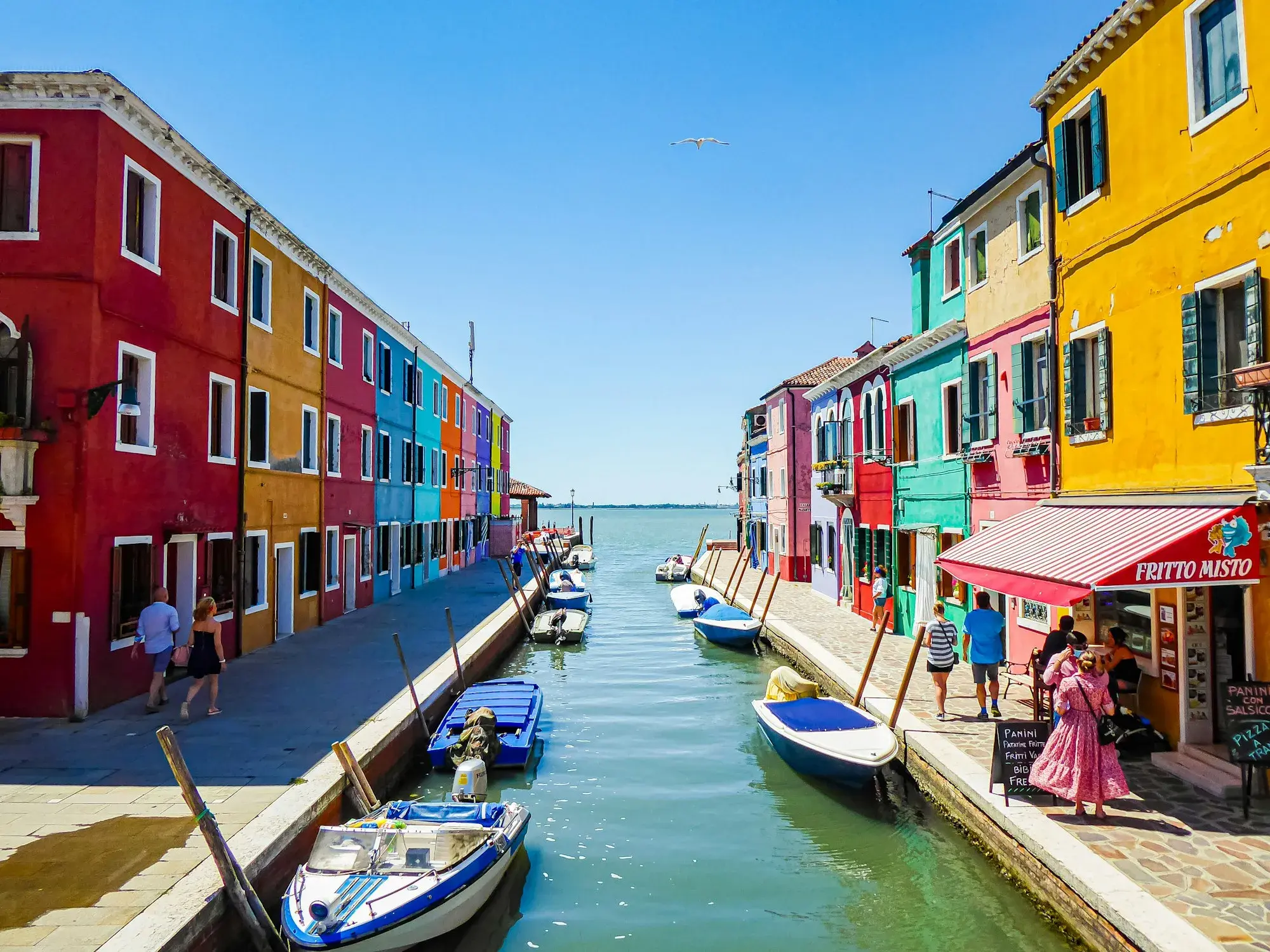
Lagoon boats are ordinary public transport; for island ferries elsewhere in Italy, see ferries in Italy.
Food and cicchetti
Venetian cooking is built on the lagoon and the sea — fish, shellfish, rice and polenta — with spices that recall the city's trade with the East.
- Cicchetti — small snacks eaten standing at the counter of a bacaro (wine bar): crostini, meatballs, fried seafood, cured meats. Order a few with an ombra, a small glass of wine.
- Sarde in saor — fried sardines marinated with onions, vinegar, pine nuts and raisins.
- Baccalà mantecato — creamed stockfish (air-dried cod), often served on bread or polenta.
- Risotto — including risotto al nero di seppia (black with cuttlefish ink) and risi e bisi (rice and peas).
- Bigoli in salsa — thick pasta with an anchovy and onion sauce.
- Fegato alla veneziana — calf's liver with onions.
- Pastries — fritole (fritters) and galani at Carnival time, and dry biscuits such as baicoli.
The spritz is closely associated with the Veneto, and the evening giro di ombre — moving from bacaro to bacaro — is a local tradition. Menus near St Mark's and the Rialto tend to be more expensive; walk a few streets away, look for places full of Italian speakers, and check the menu for cover and service charges before you sit down.
Best time to visit Venice
- Spring (April–June) — mild and good for walking and the islands, but busy, especially around Easter and on holidays and weekends.
- Summer (July–August) — hot, humid and crowded, with occasional mosquitoes. The Festa del Redentore, on the third weekend of July, ends with fireworks over the Basin of St Mark's on the Saturday night.
- Autumn (September–November) — pleasant in September and October; the Regata Storica is held on the first Sunday of September. Acqua alta (high water) becomes more likely from late autumn.
- Winter (December–February) — cold, often misty and the quietest time — except at Carnival, which in 2027 runs from 23 January to 9 February according to the official Carnival site (opens in a new tab).
The Biennale alternates between art and architecture. The 2026 Art Biennale runs from 9 May to 22 November at the Giardini, the Arsenale and venues across the city; the Venice Film Festival takes place on the Lido in late summer.
During high water, the MOSE barriers can be raised to protect the lagoon from the highest tides, but lower tides can still flood St Mark's Square and other low-lying areas. The City of Venice publishes tide forecasts and alerts (opens in a new tab). For how Venice compares with the rest of Italy through the year, read the best time to visit Italy.
Venice without a car
Historic Venice isn't a car destination: the road ends at the edge of the city. The Ponte della Libertà carries cars and buses across the lagoon to Piazzale Roma, where there are multi-storey car parks, and to the island of Tronchetto, which has large car parks and a short People Mover connection to Piazzale Roma. From there, you continue on foot or by vaporetto.
If you're touring the Veneto by car, a common approach is to leave the car in Mestre or near a mainland station and take the train or tram into Venice, or to return the rental car before your Venice stay. Parking in Venice is limited and fills up at busy times; check current availability with the operators before arriving. The Lido is the only part of the lagoon where cars are used, via a car ferry. Before driving in Italy, read our guide to driving in Italy.
Common first-time mistakes
- Staying far from what you plan to see. A cheap room with many bridges and a long walk can cost you time every day.
- Underestimating walking. Distances are short, but bridges, dead ends and crowds slow you down.
- Carrying large luggage over bridges. Pack light, or plan your route to your accommodation in advance.
- Trying to see every island. One or two islands, done calmly, is better than four in a rush.
- Not checking booking requirements. Timed slots and online tickets make the Basilica, the Doge's Palace and some museums much easier.
- Assuming transport runs the same all year. Lines and frequencies change with the season and events.
- Spending the whole visit around St Mark's. Some of the best of Venice is in Cannaregio, Castello, Dorsoduro and San Polo.
- Relying on outdated vaporetto information. Check routes and ticket options with ACTV or Venezia Unica.
- Getting off at Venezia Mestre by mistake. Stay on until Santa Lucia if you're staying in the historic centre.
- Overloading a short itinerary. Leave time to walk and sit in a campo.
Practical checklist
0 of 11 done
The ticketing rules, transport connections, accessibility information and event dates in this guide were checked on official sites in September 2026. They can change: confirm them before you travel. To fit Venice into a longer trip, see our complete Italy travel guide.
Topics
Regions
Frequently asked questions
Editorial note
Information such as transport schedules, prices, opening hours and entry requirements can change. Check the relevant official source before making a booking or travelling. Read our editorial policy or report a correction.
Useful official resources
- St Mark's Basilica — Procuratoria di San Marco (opens in a new tab) — tickets and visiting rules
- Doge's Palace — Fondazione Musei Civici di Venezia (opens in a new tab) — tickets and opening
- Gallerie dell'Accademia (opens in a new tab) — opening days and tickets
- Peggy Guggenheim Collection (opens in a new tab) — opening and visitor rules
- Scuola Grande di San Rocco (opens in a new tab) — opening and closures
- Jewish Museum and Ghetto of Venice (opens in a new tab) — opening, closures and tours
- Venezia Unica (opens in a new tab) — official transport tickets and city information
- Accessible Venice — City of Venice (opens in a new tab) — accessible routes and transport
- ACTV (opens in a new tab) — water bus routes, timetables and contactless payment
- Venice Marco Polo airport (opens in a new tab) — buses, water buses and taxis
- Venice access fee — City of Venice (opens in a new tab) — current rules and dates
- La Biennale di Venezia (opens in a new tab) — exhibition dates
About the author
Editorial Team
Editorial Team
Researches, writes and updates stories and guides about Italy.
More from Editorial TeamWas this article useful?
Keep reading
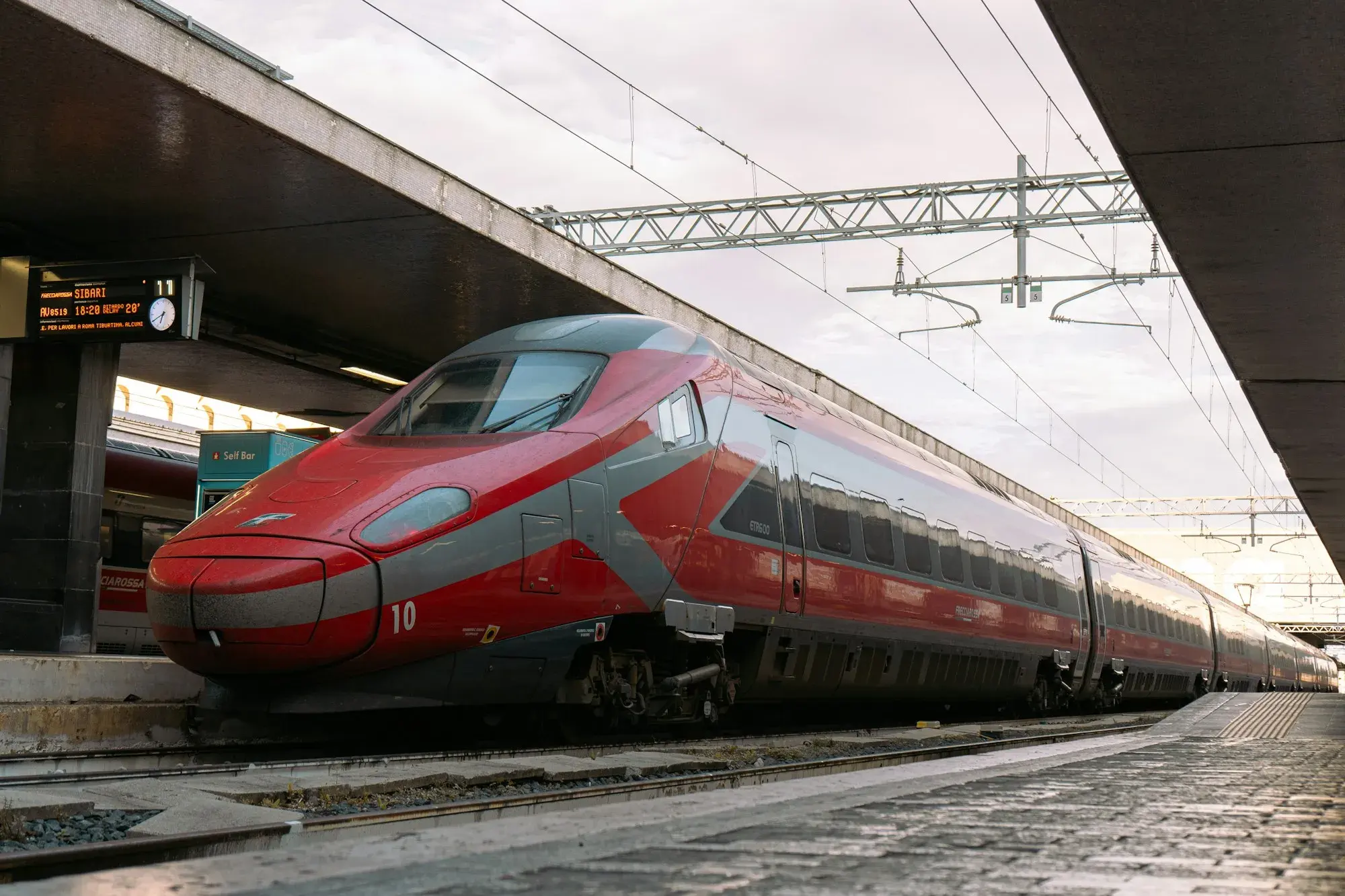
Guide
Traveling Around Italy by Train: Routes, Tickets and Tips
How Italy's rail network works, which trains to choose, how tickets work and what first-time travellers should know.
Updated 20 min read
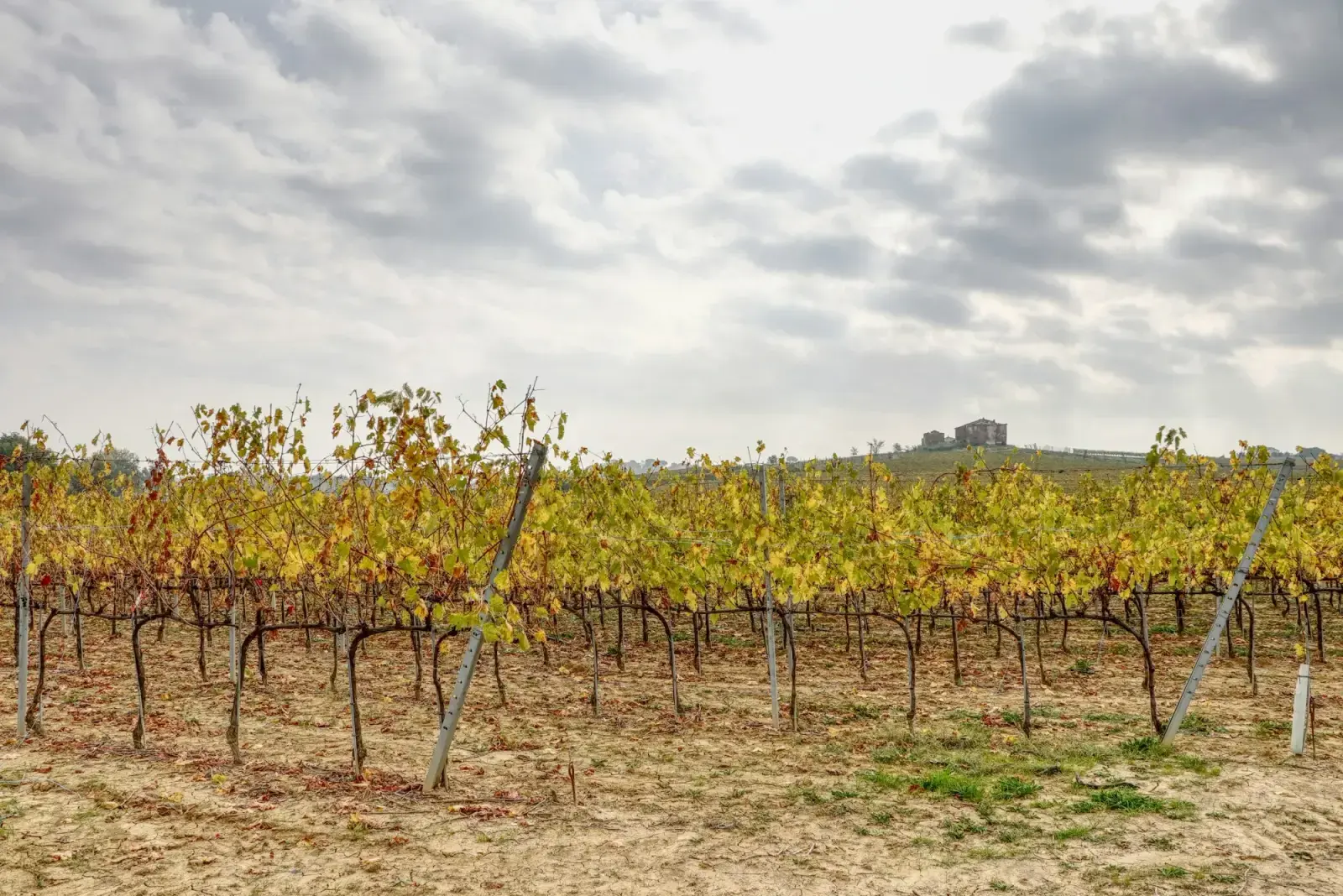
Guide
Best Time to Visit Italy: Weather and Seasons by Region
From city breaks and coastal escapes to mountain trips and food-focused journeys, find the season that fits your Italy itinerary.
Updated 27 min read
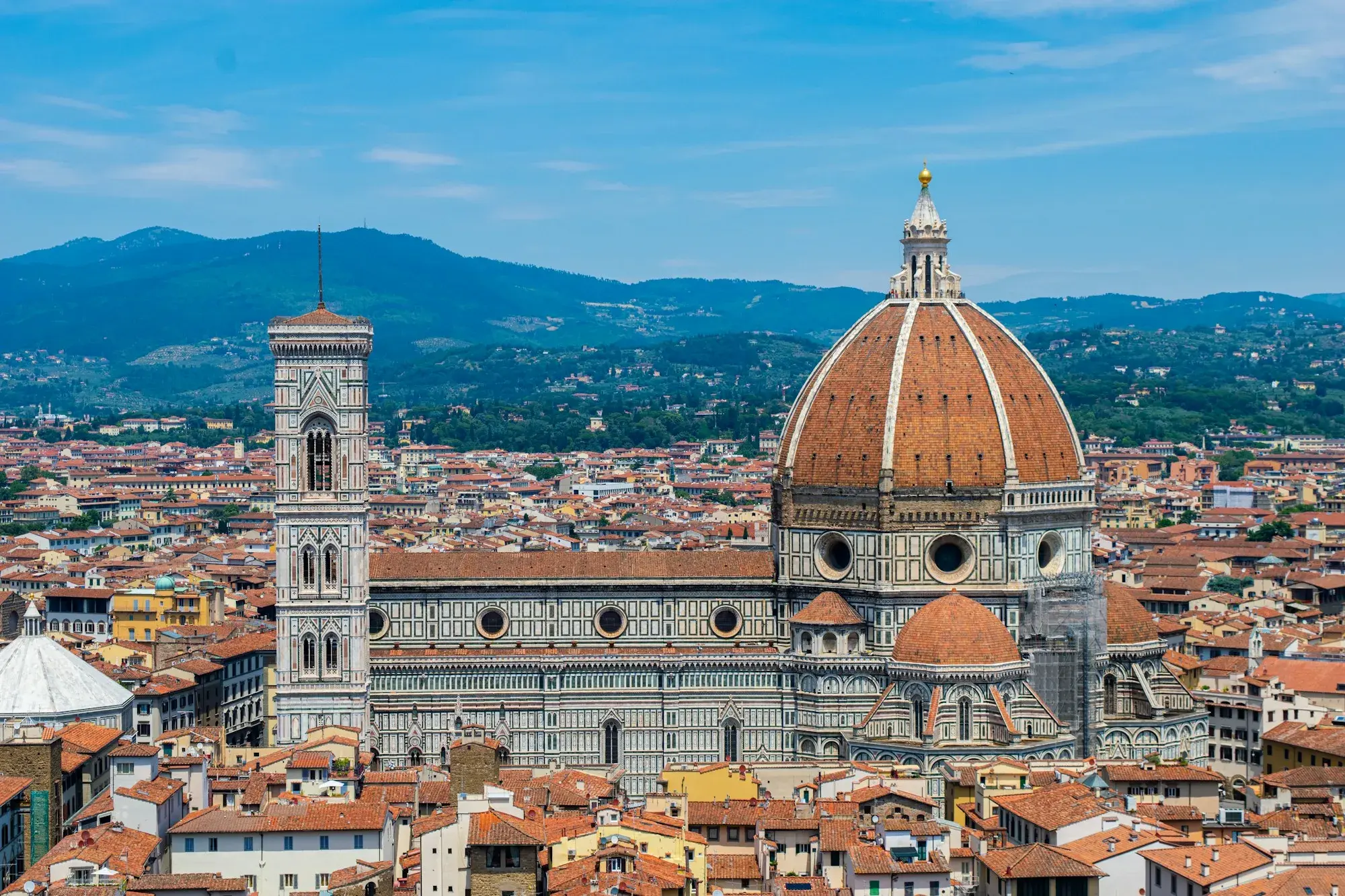
Guide
The Complete Italy Travel Guide: How to Plan Your First Trip
How many days you need, which places to combine, when to go, what it costs and how to get around — a step-by-step framework for planning a first trip to Italy.
Updated 22 min read
Cities
Verona for First-Time Visitors: What to See, Eat and Know Before You Go
How long to stay, what to see beyond Juliet's balcony, what to eat and drink and how to add Lake Garda — a practical first-time guide to Verona.
Updated 19 min read
Guide
Visiting the Dolomites: A First-Timer's Guide
How the Dolomites fit together, which valley to base yourself in, when to go and how to get around — with or without a car, and with or without hiking.
Updated 22 min read
Guide
Rome in Three Days: A Practical First-Time Itinerary
One area per day — ancient Rome, the Vatican, the historic centre — with what to book, how to get around and what to skip if you run out of time.
Updated 16 min read
Explore more cities
More stories and guides from Life in Italia.