Christmas Markets in Italy 2026: Dates, Places and What to Expect
Bolzano, Merano, Bressanone, Trento, Aosta, Milan, Verona, Florence and Rome — nine Christmas markets, their confirmed 2026 dates and what makes each one worth the trip.
Editorial Team
- Published
- Updated
- Reading time
- 16 min read
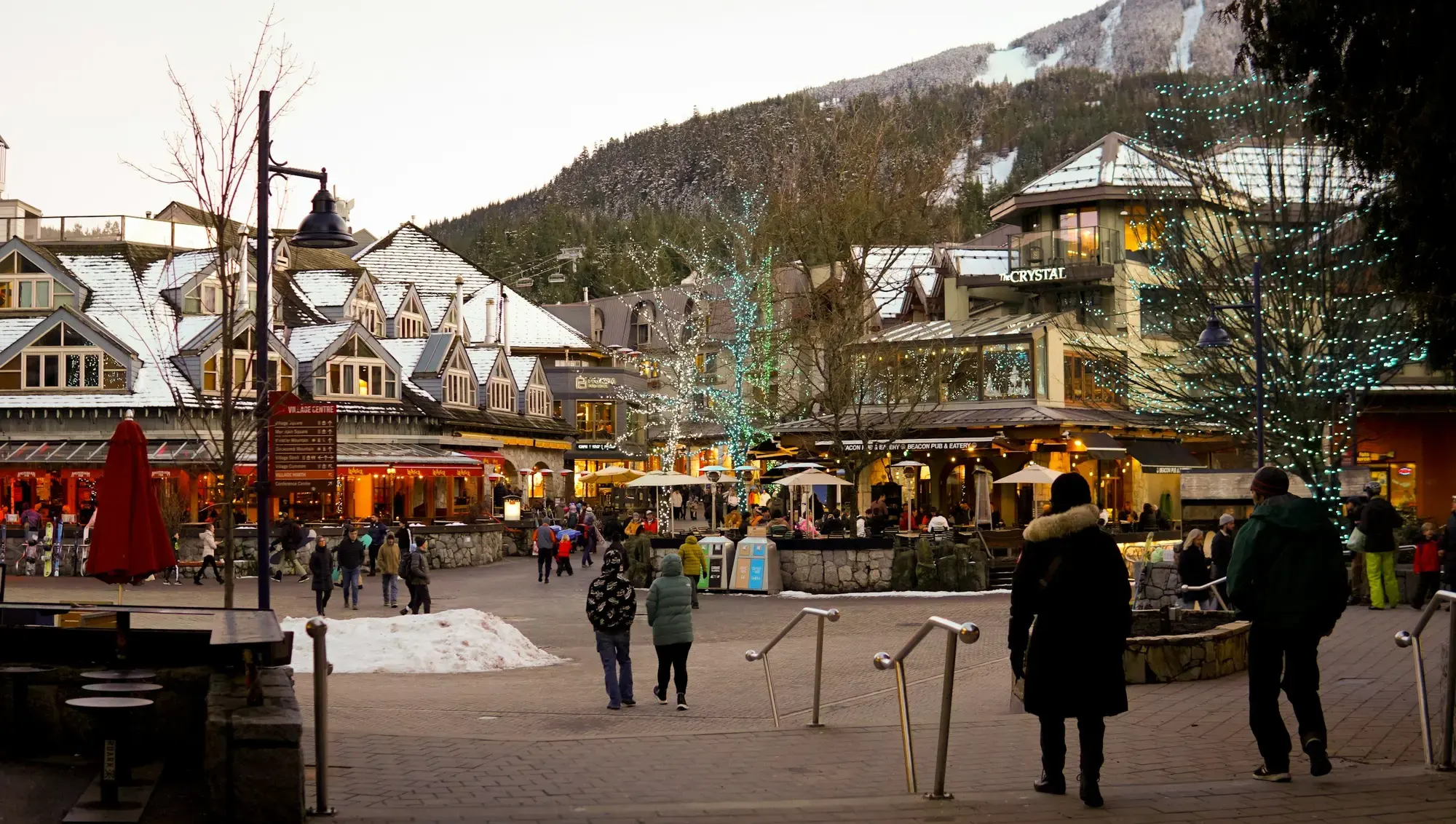
Christmas markets in Italy: where to go in 2026
Short answer
Italy's Christmas market season runs from mid-November through Epiphany on 6 January. The South Tyrol markets in Bolzano, Merano, Bressanone and Trento open earliest and run the longest. Milan's Piazza Duomo market and Rome's Piazza Navona fair are confirmed for 1 December 2026 to 6 January 2027. As of October 2026, Verona and Florence had not published official 2026 dates — these should be treated as estimated until the organisers confirm.
Italian Christmas markets at a glance
- Earliest opening
- Trento (20 Nov 2026) and Aosta (21 Nov 2026)
- Latest closing
- 6 January 2027 (Epiphany) for all Alpine markets, Milan and Rome
- Alpine markets
- Bolzano, Merano, Bressanone, Trento, Aosta — Central European in character, running to 6 January
- City markets
- Milan, Verona, Florence, Rome — Italian in atmosphere, city-centre settings
- Best time to visit
- Weekdays in the first two weeks of December for manageable crowds; evenings for the best light and atmosphere
Two traditions, nine markets
Italian Christmas markets split into two distinct traditions. In the Alpine north — South Tyrol (Alto Adige), Trentino, and the Aosta Valley — the markets draw on a centuries-old Central European custom. South Tyrol was part of the Austro-Hungarian Empire until 1919, and a large share of its population still speaks German as a first language. The Bolzano Christkindlmarkt, which dates to 1991 in its current form but draws on a tradition going back to the 14th century, is widely regarded as the original Italian Christmas market; it influenced the format of most that followed.
In the cities — Milan, Verona, Florence, Rome — the markets are a more recent addition to the festive calendar. They are Italian in atmosphere rather than Tyrolean: noisier, more varied in merchandise, and more focused on food and spectacle than on craftsmanship. Both types of market are worth visiting; the choice depends on what you are after.
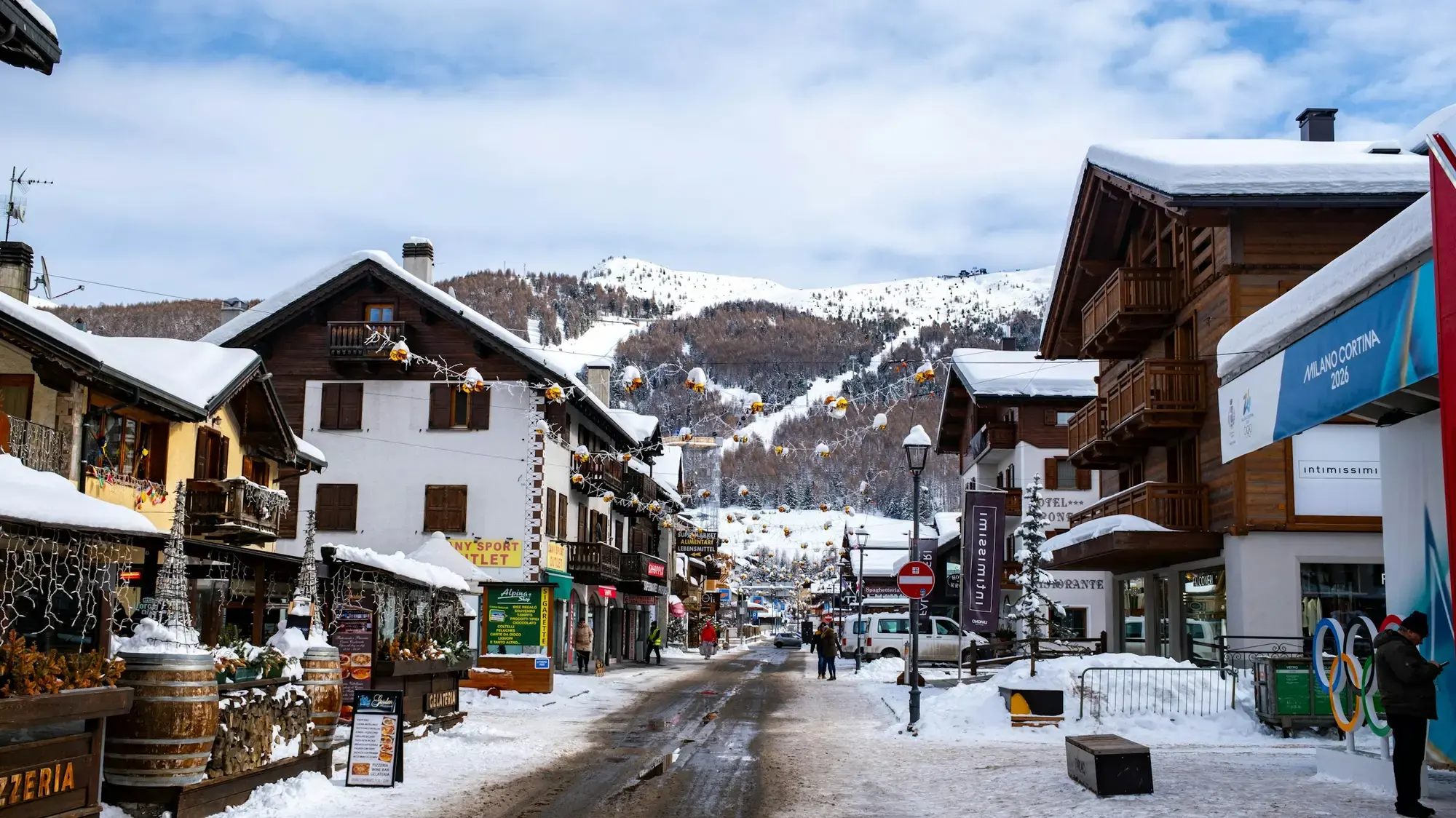
2026 dates at a glance
| Market | City | 2026 dates | Status |
|---|---|---|---|
| Mercatino di Natale | Trento | 20 Nov 2026 – 6 Jan 2027 | Confirmed |
| Marché Vert Noël | Aosta | 21 Nov 2026 – 6 Jan 2027 | Confirmed |
| Meraner Weihnacht | Merano | 26 Nov 2026 – 6 Jan 2027 | Confirmed |
| Christkindlmarkt | Bolzano | 27 Nov 2026 – 6 Jan 2027 | Confirmed |
| Mercatino di Natale | Bressanone | 27 Nov 2026 – 6 Jan 2027 | Confirmed |
| Mercatino in Duomo | Milan | 1 Dec 2026 – 6 Jan 2027 | Confirmed |
| Natale a Verona | Verona | Est. late Nov – late Dec 2026 | Not yet confirmed |
| Weihnachtsmarkt | Florence | Est. mid-Nov – mid-Dec 2026 | Not yet confirmed |
| Befana e Natale in Piazza Navona | Rome | 1 Dec 2026 – 6 Jan 2027 | Confirmed |
The Alpine markets
The South Tyrol and Trentino markets are the most atmospheric in Italy. They are set against a backdrop of mountains, medieval squares, and Baroque cathedrals, and they run the longest — most to Epiphany on 6 January. They are also the most crowded on weekends in December; arriving mid-week or in the first two weeks after opening makes a significant difference.
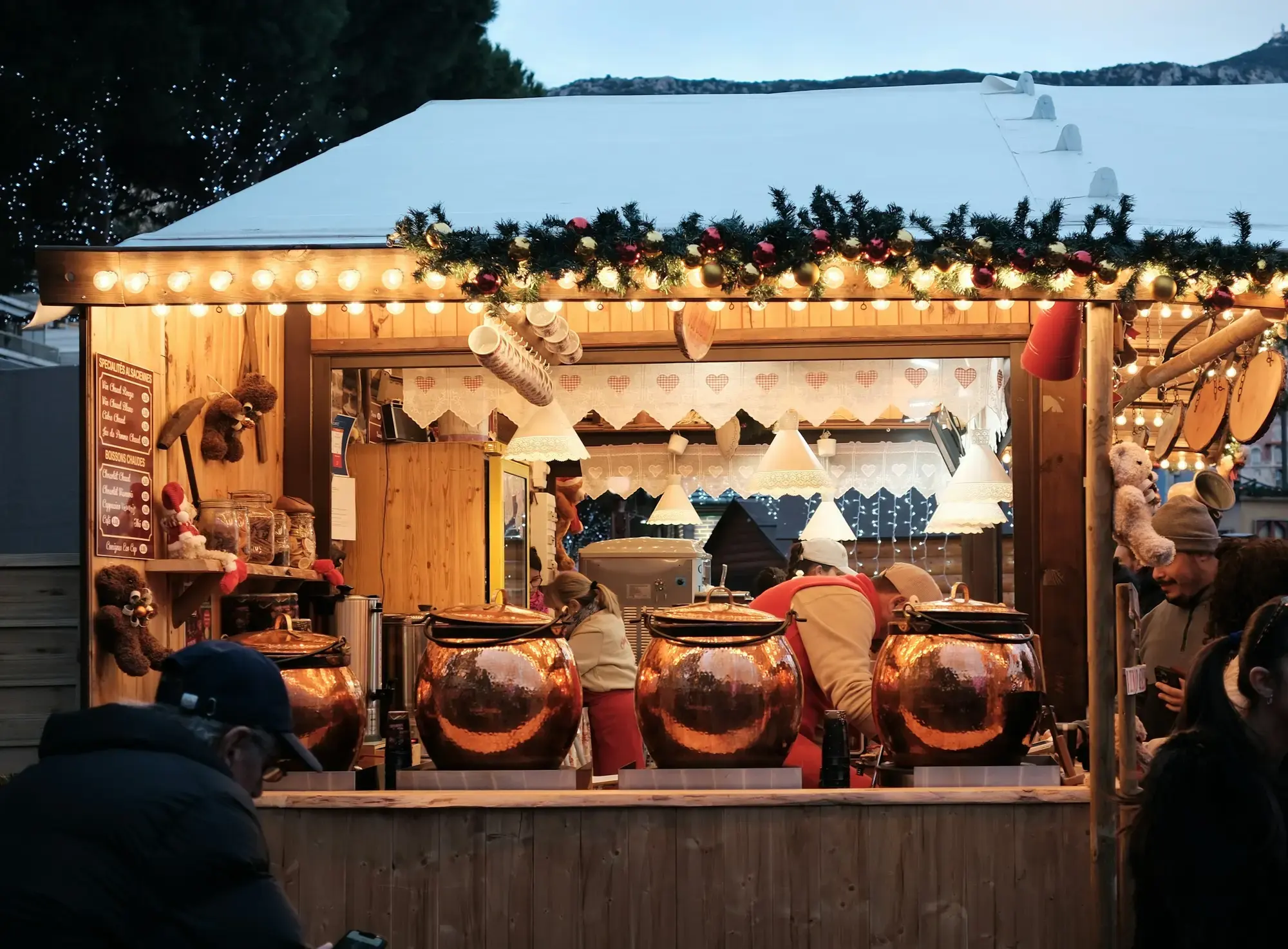
Trento — Mercatino di Natale
Trento's market is confirmed for 20 November 2026 to 6 January 2027. The stalls fill Piazza Fiera, Piazza Cesare Battisti, and the surrounding streets; from Piazza Duomo you look across a sea of fairy-lit wooden chalets to the 16th-century Fontana del Nettuno and the Duomo beyond. The market has a distinctly Italian-Alpine character — the language here is Italian (not German), but the vin brulé, the wooden toys, and the handmade ornaments are typical of the whole region. The Visit Trento website and the APT Trento tourist authority confirmed the 20 November opening.
Aosta — Marché Vert Noël
The Valle d'Aosta's Marché Vert Noël (Green Christmas Market) runs 21 November 2026 to 6 January 2027, with an opening ceremony on 20 November at 18:00. The market fills the streets of Aosta's Roman historic centre — including the area around the Arco d'Augusto, a triumphal arch from the 1st century BC — with over 100 chalets. The Valle d'Aosta is officially bilingual (Italian and French), and the market reflects this: signs appear in both languages, and the food includes regional specialities such as fontina cheese, seuppa à la valpellinentze, and Aosta Valley wines.
Aosta sits at 583 metres in the foothills of the Alps, surrounded by the highest peaks in Europe — Mont Blanc, the Matterhorn, the Gran Paradiso. It sees fewer tourists than the South Tyrol markets, which makes it one of the more relaxed options if you want to browse without jostling for space. The nearest major hub is Turin, roughly 1 hour 50 minutes by train.
Merano — Meraner Weihnacht
Merano's Meraner Weihnacht (Merano Christmas) opens 26 November 2026 and runs to 6 January 2027, with a formal opening ceremony at 17:00 on 26 November. The market fills the elegant Kurpromenade — the riverside promenade built in the early 20th century around this spa town's thermal heyday — with around 100 artisan stalls. The Kurhaus colonnade, a grand Jugendstil building that serves as a concert hall, provides an unusually elegant backdrop. Several of the larger Merano hotels offer spa packages timed around the market season. The official Merano tourism authority (merano-suedtirol.it) confirmed the 26 November 2026 opening.
Bolzano — Christkindlmarkt
The oldest and best-known Christmas market in Italy. The Bolzano Christkindlmarkt celebrated its 35th edition in 2025; the 2026 edition opens 27 November 2026 (with a tree-lighting inauguration on 26 November at 17:00) and runs until 6 January 2027. The market is closed on 25 December. Over 80 stalls spread across Piazza Walther and the lanes around the Duomo.
What distinguishes Bolzano's market from most others is an explicit quality standard: stalls selling mass-produced goods are excluded, and the quality of the wooden decorations, knitwear, local food products, and handmade ornaments is consistently high. The market also runs live music, craft workshops, and a children's programme throughout the season. Bolzano is served by high-frequency regional trains from Verona (around 1 hour 30 minutes) and Trento (around 30 minutes). For the wider South Tyrol region, see the Dolomites guide.
Bressanone — Mercatino di Natale
The smallest of the major South Tyrol markets, and many visitors' favourite. Bressanone's market opens 27 November 2026 with an inauguration at 17:00 and runs to 6 January 2027 (closed 25 December). The setting is exceptional: around 60 hand-selected artisan stalls in Piazza Duomo, the square in front of Bressanone's Romanesque cathedral, whose twin towers are strung with lights throughout the season. The market is organised by Bressanone Turismo, the cooperative that manages it on behalf of the municipality.
Because access to the square from the main shopping street passes through a narrow medieval gateway, the market retains an intimate feel even when busy. Adjacent to the cathedral, the Hofburg palace hosts OOPS, a light-and-sound installation running from 26 November 2026 to 9 January 2027. Bressanone is 40 minutes north of Bolzano by regional train.
Markets in Italy's cities
Italy's urban Christmas markets arrived on the calendar much later than the Alpine ones and have a different character: louder, more varied, more commercial. What they offer that the Alpine markets cannot is the chance to pair a market visit with a city's year-round attractions. A weekend in Milan or Rome in December that combines a Christmas market with museums, restaurants, and architecture is a particularly satisfying combination.
Milan — Mercatino di Natale in Piazza Duomo
The Comune di Milano published an avviso pubblico (official public notice) setting out two consecutive editions of the Piazza Duomo market: December 2025–January 2026 and 1 December 2026 – 6 January 2027. The 2026 edition is therefore officially confirmed. The market surrounds the base of the Duomo — one of Europe's most spectacular Gothic cathedrals — and the combination of festive stalls against the white marble façade is striking, especially in the evening when the building is lit.
Alongside the Piazza Duomo market, Milan's Oh Bej! Oh Bej! fair takes place 7–8 December 2026 at Castello Sforzesco. This is one of Milan's oldest festive fairs, dating to the 16th century, with hundreds of stalls of antiques, gifts, and street food. It coincides with the feast of Sant'Ambrogio (7 December), Milan's patron saint. For a wider view of the city, see the Milan guide.
Verona — Natale a Verona
Verona has hosted Christmas market events in Piazza dei Signori and, in 2025, in Piazza Bra. The organiser — a consortium including the local Confcommercio and Confesercenti trade associations — typically runs the market across the Advent period, broadly from late November to late December.
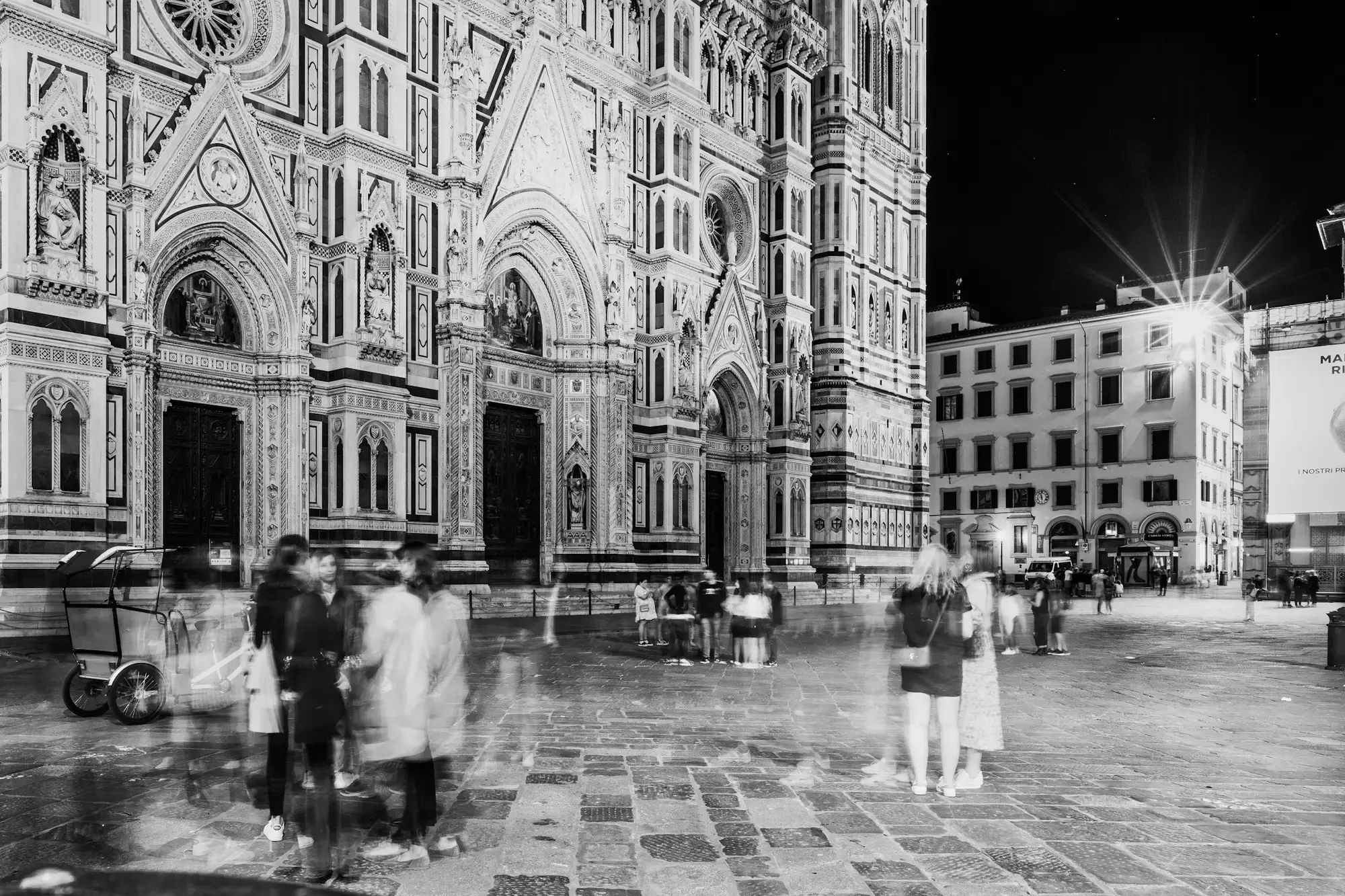
Florence — Weihnachtsmarkt in Piazza Santa Croce
Florence's main Christmas market is a German-style Weihnachtsmarkt in Piazza Santa Croce — the large square in front of the Gothic Basilica di Santa Croce. Around 50 wooden stalls sell Central European crafts, foods, and drinks. One Florence tourism source listed 14 November – 20 December 2026 as expected dates, but this has not been confirmed by the organiser.
Rome — Befana e Natale in Piazza Navona
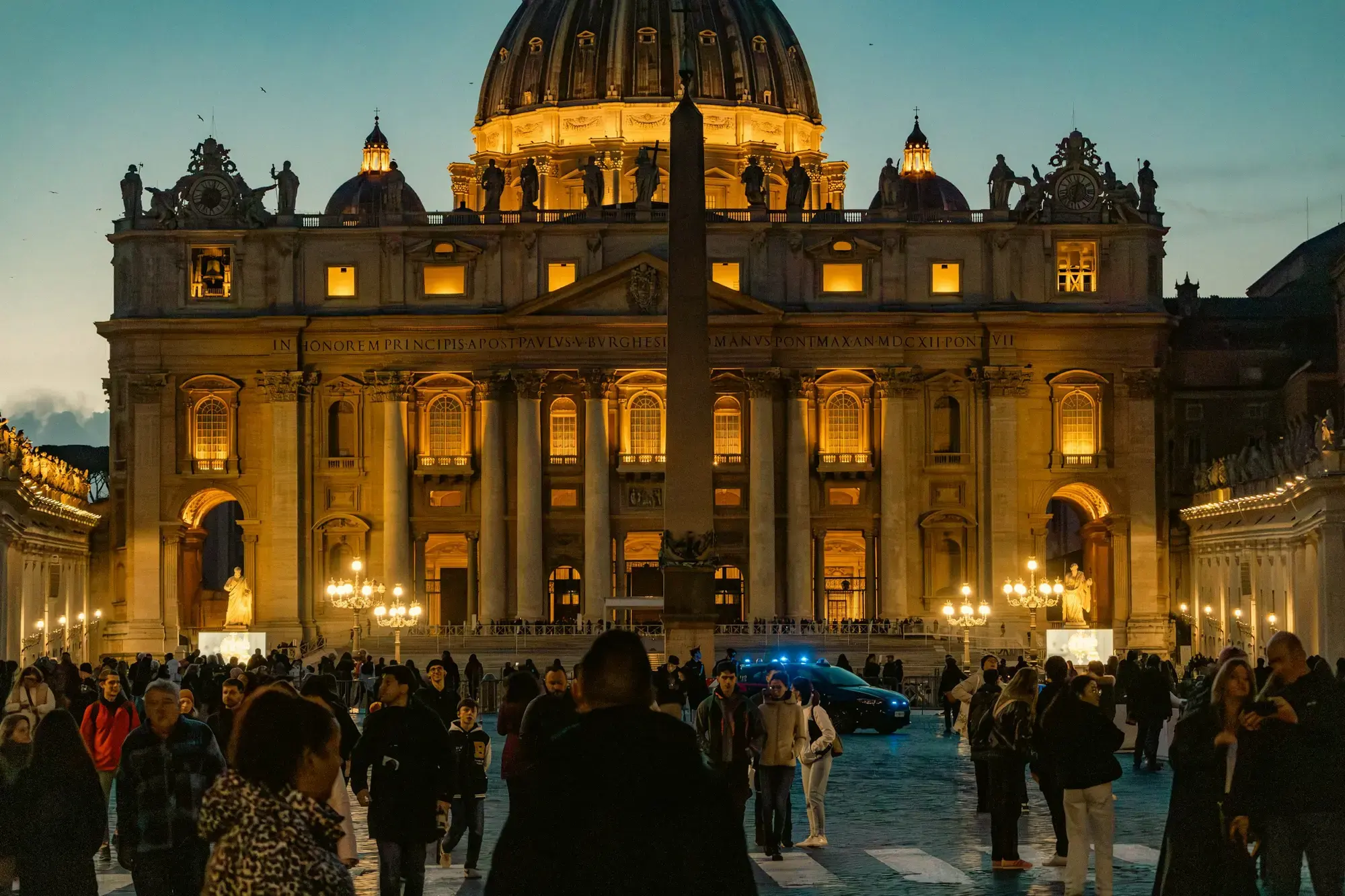
Rome's longest-running Christmas event is the fair in Piazza Navona — one of the most beautiful Baroque squares in Europe. The market is confirmed for 1 December 2026 – 6 January 2027 from multiple tourism sources, consistent with a multi-year schedule. Over 100 stalls fill the square; unlike the Alpine markets, the Piazza Navona fair is as much a Befana fair as a Christmas one. Many stalls specialise in sweets, toys, stockings, and carbone dolce — the coal-shaped candy Italian tradition associates with Befana, the gift-giving witch who arrives on the night of 5–6 January.
The atmosphere is vivid and festive — street performers, a carousel, roasted-chestnut vendors, and crowds from across Europe. Entry is free. Check comune.roma.it for the official 2026 announcement. For more on Rome and Lazio, see the Lazio region guide.
What to eat and drink
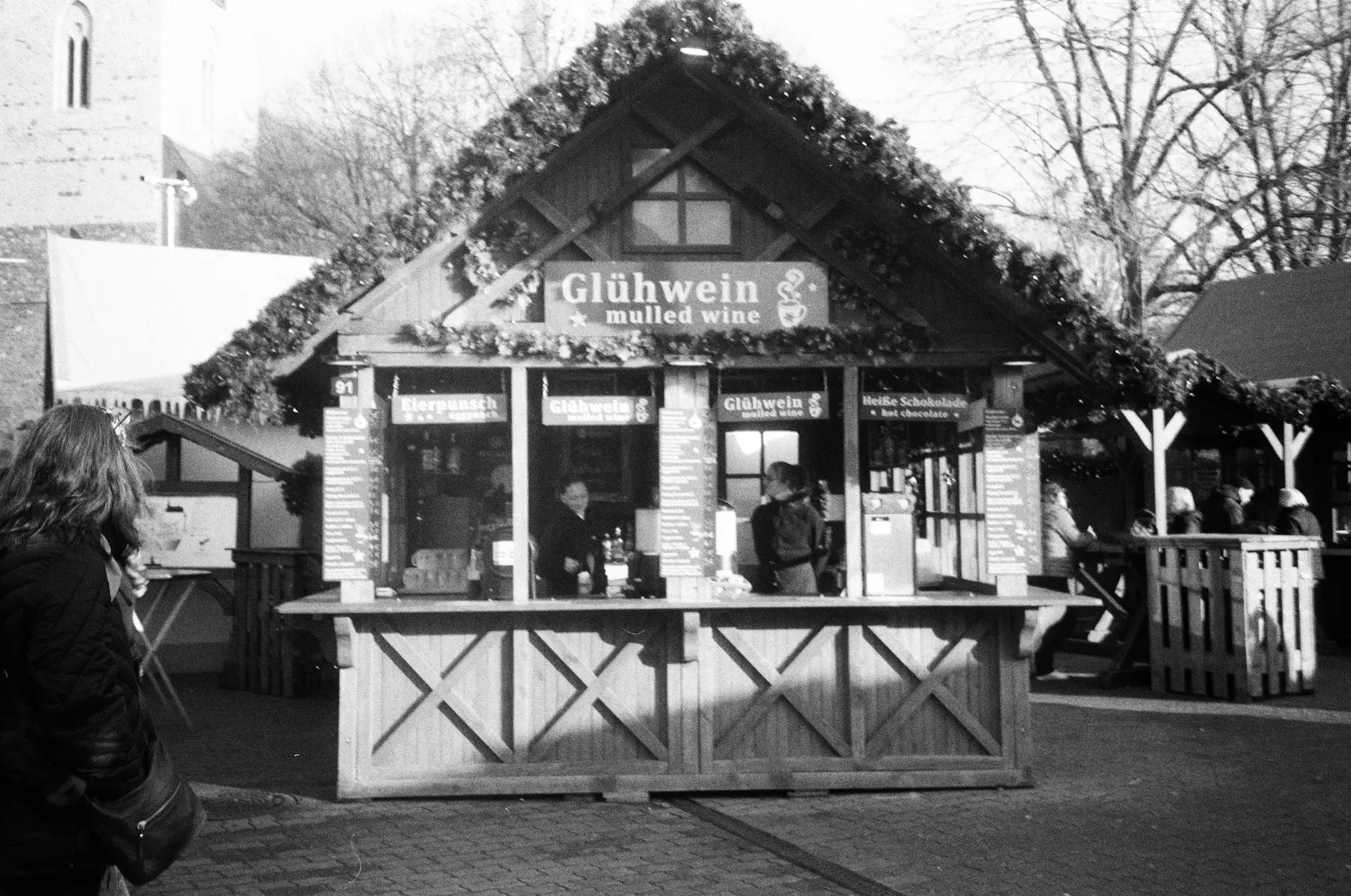
The food and drink at Italian Christmas markets differs significantly between the Alpine and the city markets. At the Alpine markets — Bolzano, Merano, Bressanone, Trento — the offer is Central European in character:
- *Vin brulé* (German: Glühwein): spiced red wine served hot in ceramic or disposable cups. It is the defining drink of the Alpine market season; the local version often uses Trentino or South Tyrol wines as the base.
- *Strudel: apple strudel (strudel di mele*) served warm, often with cream or vanilla sauce, is ubiquitous across the Trentino-Alto Adige markets.
- *Canederli* (German: Knödel): bread dumplings, a staple of South Tyrol cuisine, served in broth or with butter and sage. Found at stalls and nearby restaurants.
- *Speck*: cured, smoked, and air-dried pork leg, a DOP product of Alto Adige. It appears on charcuterie boards at stalls across the region and makes a compact, durable gift.
- *Zelten*: a dense fruit-and-nut bread traditional in Trentino and South Tyrol, made with dried figs, raisins, walnuts, and candied peel. It is baked specifically for the Christmas period.
- *Torrone*: nougat, available across all markets. The Valle d'Aosta version, often made with local honey, is particularly good.
In the city markets — Milan, Verona, Florence, Rome — the food is more Italian: roasted chestnuts (caldarroste) from street vendors, hot chocolate, panettone and pandoro (the rival Christmas breads of Milan and Verona respectively), and regional street food. Wine mulled Italian-style is common here too.
What to buy
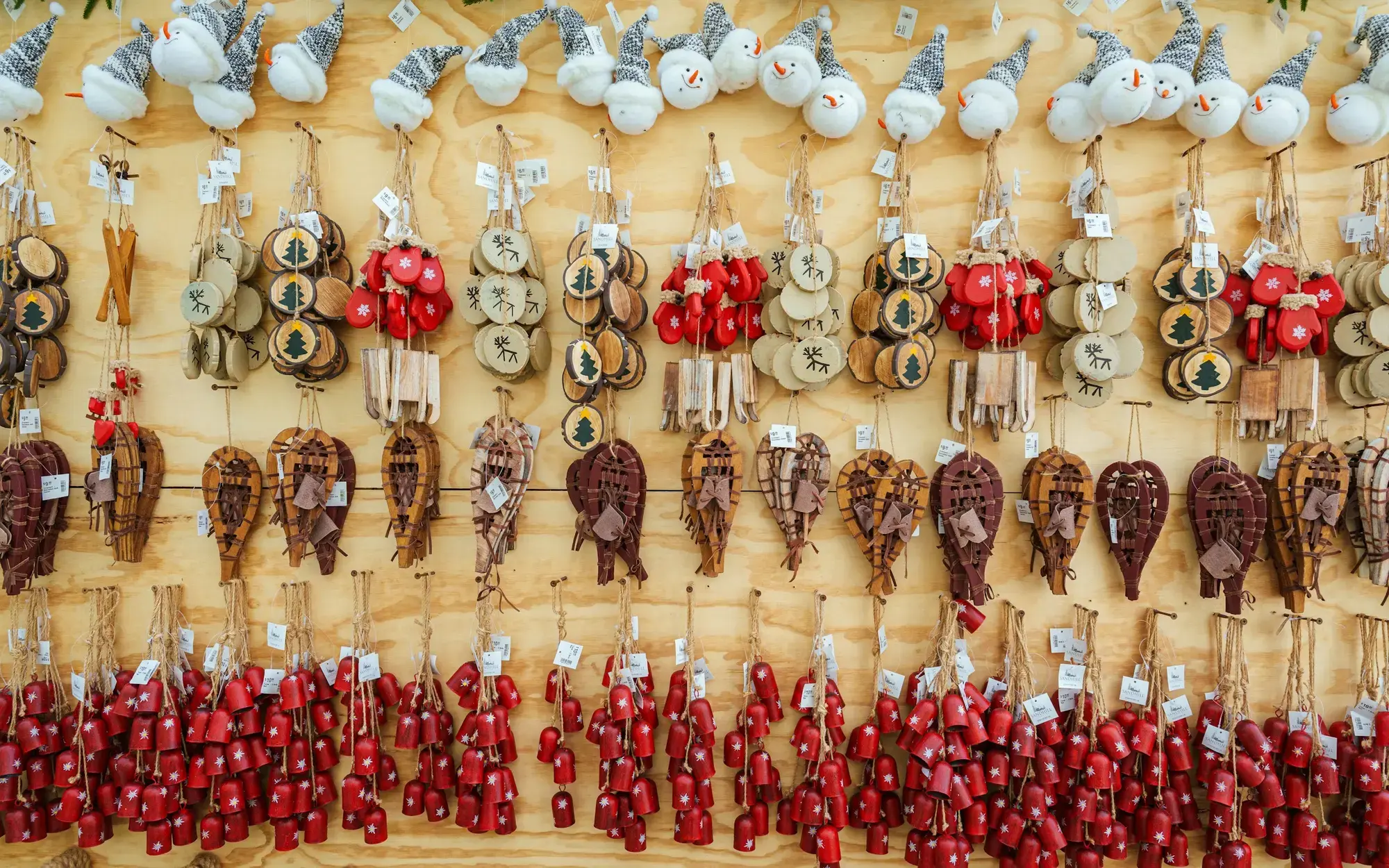
The South Tyrol and Trentino markets have a well-founded reputation for handmade quality, at least at curated markets like Bolzano and Bressanone where commercially produced goods are explicitly excluded. Categories worth exploring:
- Wooden decorations: carved nativity figures, tree ornaments, nutcrackers, and Räuchermänner (hollow wooden figures that smoke incense) are a South Tyrol speciality, made locally in the Val Gardena woodcarving communities.
- Ceramics and glassware: hand-painted tree ornaments, bells, and candleholders from small workshops across the region.
- Textiles: knitted wool scarves, socks, and mittens; embroidered linens; and felt goods made by local craftspeople.
- Local food products: strudel, zelten, speck, local wines, grappa, honey, jams, and specialty food items from across the Alpine regions. These make compact, non-fragile gifts.
- Jewellery and accessories: silver jewellery, amber pieces, leather goods, and felt items from Alpine artisans.
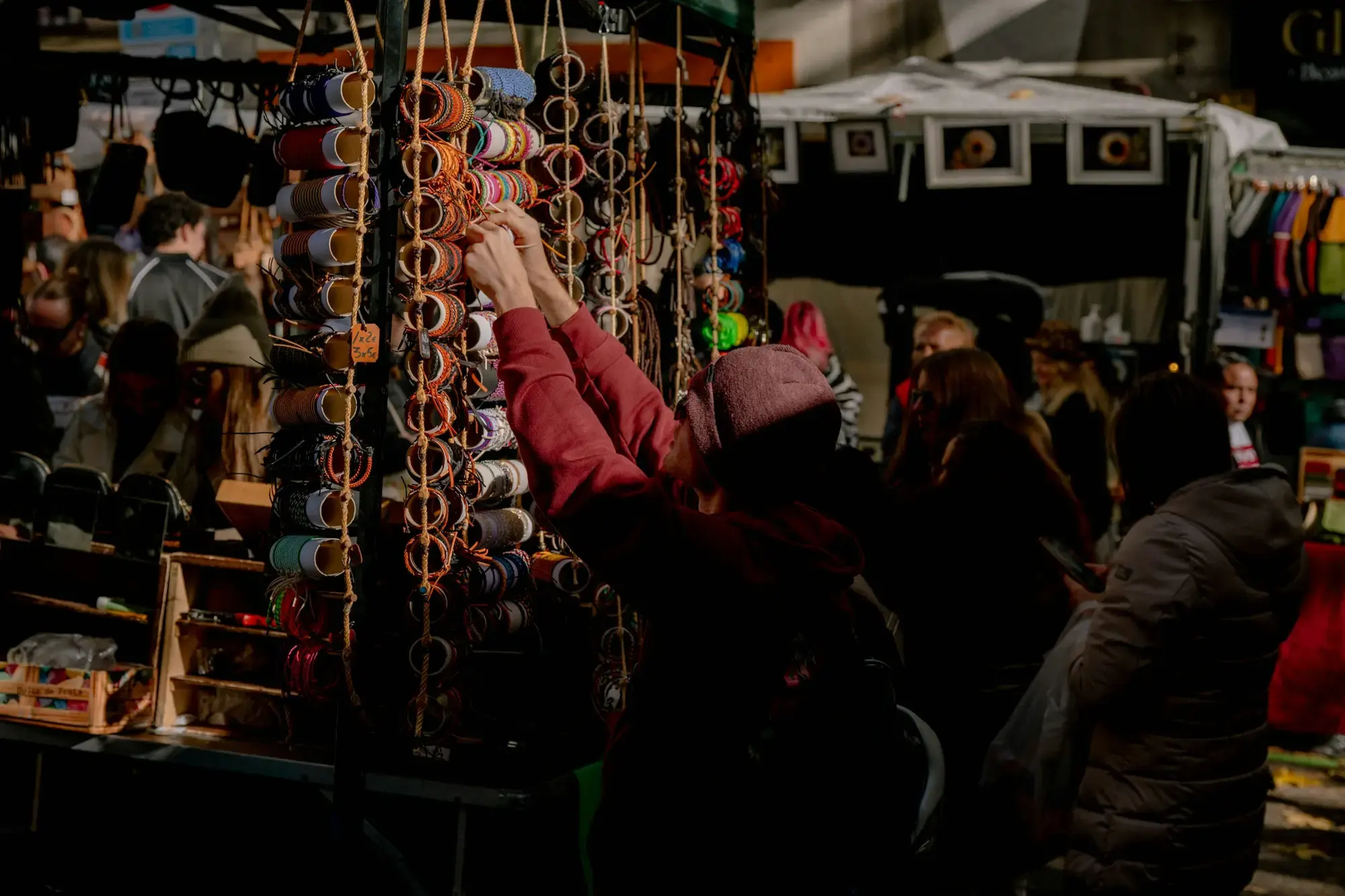
In the city markets, the mix is more eclectic. Rome's Piazza Navona is particularly associated with confectionery and Befana gifts. Milan's Piazza Duomo market includes Italian artisan goods, fashion accessories, and food products. Florence's Weihnachtsmarkt leans toward the Central European craft tradition.
Planning your visit
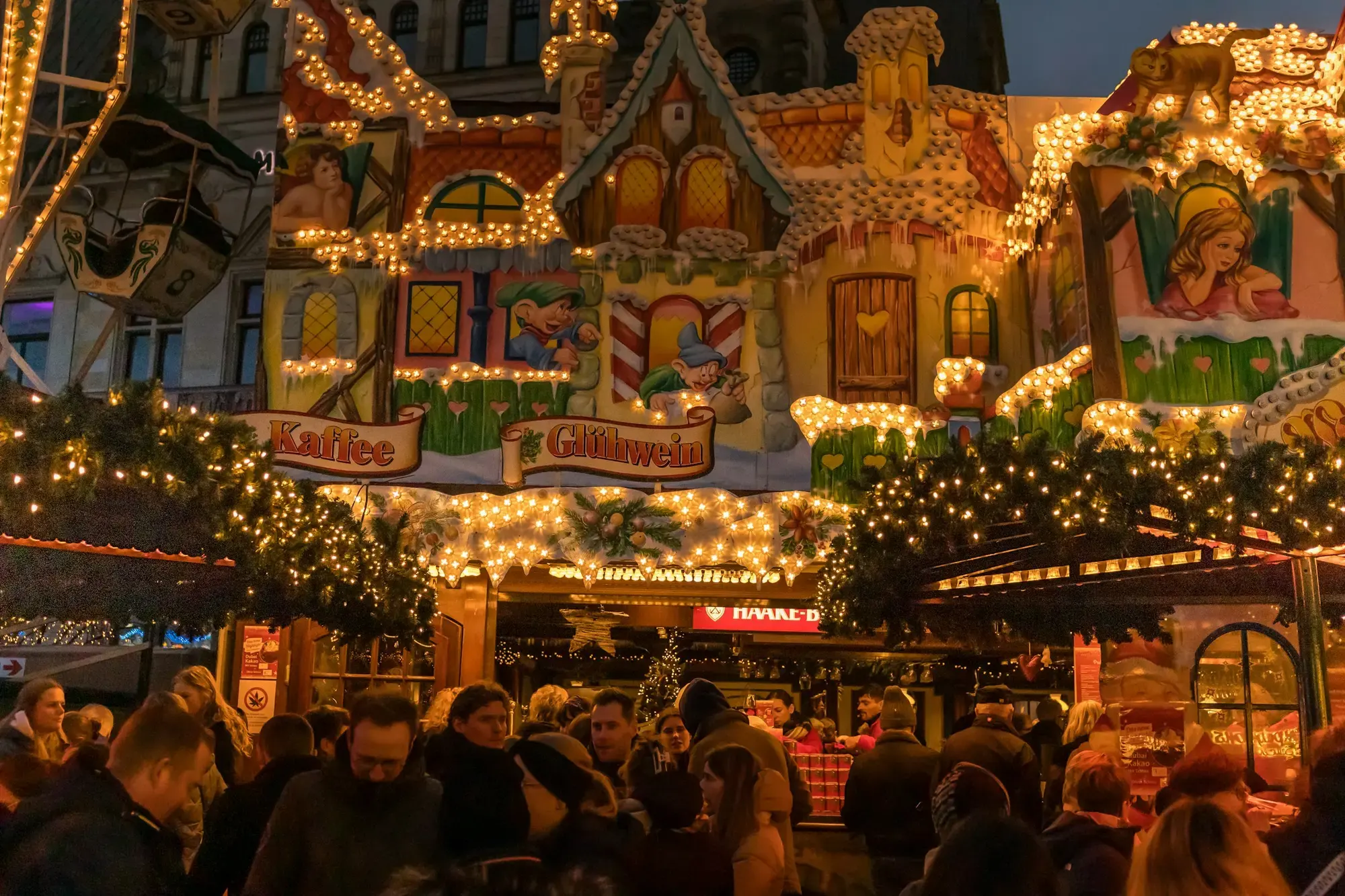
When to go
The Alpine markets are busiest on weekends in December, particularly the second and third. If you have flexibility, arrive mid-week and aim for the first two weeks of December — crowds and atmosphere are in better balance than in the final run to Christmas. Evenings (after 17:00) have the best atmosphere because of the lights, but also the largest crowds; late morning on a weekday is quieter and more pleasant for browsing stalls.
The city markets are generally busiest on weekends throughout December. In Rome, the final days before Epiphany (3–6 January) are also very busy as the Piazza Navona fair reaches its traditional climax.
Getting there by train
Italy's rail network makes combining multiple markets in a single trip very practical. Bolzano, Merano, Trento, and Bressanone are all on or close to the Verona–Brenner main line; it is possible to visit two or even three markets in a day. Aosta requires a separate leg from Turin. The high-speed network connects Milan, Florence, and Rome for city combinations. For full details on Italian train travel, see the Italy by train guide.
Accommodation
Book accommodation several months in advance for the Alpine markets in December, particularly Bolzano and Merano. Availability is limited and demand is high from October onwards. In the city markets, December accommodation is generally easier to find, though central Milan, Florence, and Rome remain in demand year-round.
Combining markets on one trip
A four- or five-day trip using Verona as a base can cover Trento (60–70 minutes by train), Bolzano (90 minutes), and Bressanone (a further 40 minutes north), with two nights in Bolzano and one each in Trento and Verona. Merano is a straightforward day trip from Bolzano. For a week-long Alpine markets trip, Aosta fits naturally at the start (fly into Turin, travel Turin → Aosta, then Turin → Verona).
For a combined Alpine-and-city itinerary, the Verona–Bolzano–Trento cluster is one circuit, with Milan a two-hour train ride away as a city day-trip or overnight. Florence and Rome are best visited separately, either before or after the northern markets.
Frequently asked questions
Editorial note
Information such as transport schedules, prices, opening hours and entry requirements can change. Check the relevant official source before making a booking or travelling. Read our editorial policy or report a correction.
Sources
- Bolzano Christkindlmarkt — christkindlmarkt.it (opens in a new tab) — Market operator's site; 2026 opening dates (27 Nov 2026 – 6 Jan 2027) and hours
- Merano Christmas Market — merano-suedtirol.it (opens in a new tab) — Official Merano tourism authority; confirmed 26 Nov 2026 opening date
- Trento Christmas Market — natale.visittrento.it (opens in a new tab) — Official Visit Trento website; confirmed 20 Nov 2026 opening date
- Bressanone Christmas Market — christkindlmarkt.it (opens in a new tab) — Market listing with confirmed 27 Nov 2026 – 6 Jan 2027 dates from Bressanone Turismo
- Aosta Marché Vert Noël — lovevda.it (opens in a new tab) — Valle d'Aosta official regional tourism database; confirmed 21 Nov 2026 – 6 Jan 2027
- Milan Mercatino di Natale in Duomo — Comune di Milano (opens in a new tab) — Official Comune di Milano public notice confirming the 1 Dec 2026 – 6 Jan 2027 edition
- Verona Christmas Market — nataleinpiazza.it (opens in a new tab) — Official organiser website; 2026 dates not yet published as of October 2026
- Florence Weihnachtsmarkt — feelflorence.it (opens in a new tab) — Florence tourism event listing; 2026 dates estimated, not yet officially confirmed
About the author
Editorial Team
Editorial Team
Researches, writes and updates stories and guides about Italy.
More from Editorial TeamWas this article useful?
Keep reading
Guide
Best Time to Visit Italy: Weather and Seasons by Region
From city breaks and coastal escapes to mountain trips and food-focused journeys, find the season that fits your Italy itinerary.
Updated 27 min read
Guide
Traveling Around Italy by Train: Routes, Tickets and Tips
How Italy's rail network works, which trains to choose, how tickets work and what first-time travellers should know.
Updated 20 min read
Guide
Visiting the Dolomites: A First-Timer's Guide
How the Dolomites fit together, which valley to base yourself in, when to go and how to get around — with or without a car, and with or without hiking.
Updated 22 min read
Cities
Milan Beyond the Duomo: What to See, Where to Stay and How to Experience the City
How long to stay, how to book the Last Supper, which neighbourhoods to explore and how to add Lake Como — a practical plan for Milan.
Updated 18 min read
Cities
Verona for First-Time Visitors: What to See, Eat and Know Before You Go
How long to stay, what to see beyond Juliet's balcony, what to eat and drink and how to add Lake Garda — a practical first-time guide to Verona.
Updated 19 min read
Cities
Florence for First-Time Visitors: What to See, Where to Stay and How to Plan Your Trip
How many days to spend, what to see first, which museums to book, where to stay and how to get around — a practical plan for a first visit to Florence.
Updated 23 min read
Explore more events
More stories and guides from Life in Italia.