Naples for First-Time Visitors: What to See, Where to Stay and How to Plan Your Trip
How long to stay, what to see first, where to base yourself and how to reach Pompeii — a practical plan for a first visit to Naples.
Editorial Team
- Published
- Updated
- Reading time
- 19 min read
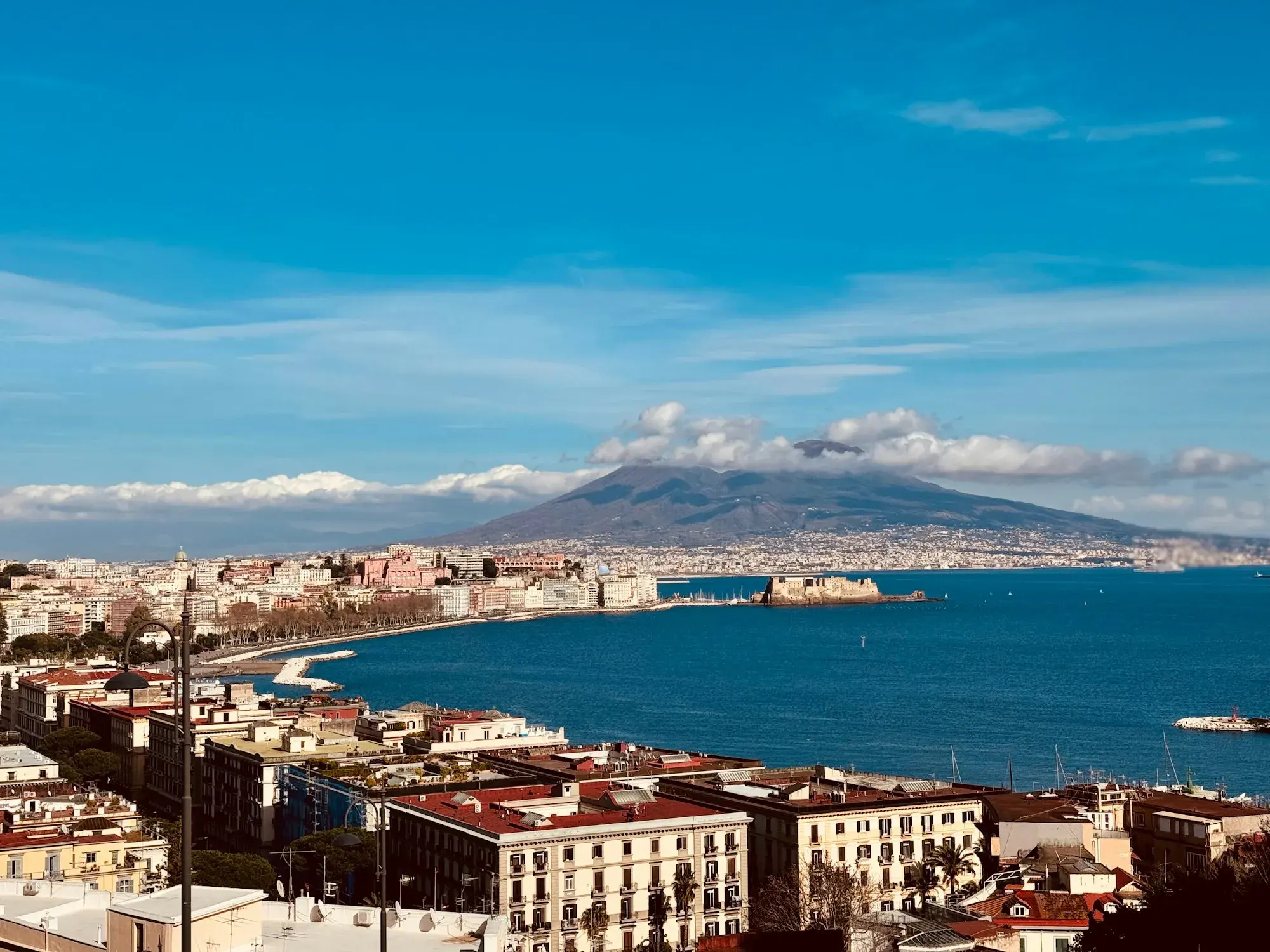
Naples is Italy's third-largest city and one of its oldest. Its historic centre, a UNESCO World Heritage Site since 1995, still follows the street plan of the Greek city of Neapolis; its archaeological museum holds much of what was found at Pompeii and Herculaneum; and it's the birthplace of pizza as the world knows it. It's also the natural gateway to Pompeii, Herculaneum, Sorrento, Capri and the Amalfi Coast.
Short answer
Naples suits a first trip to Italy if you're interested in history, archaeology, food and cities with a strong character of their own. Two to three days covers the historic centre, a major museum and the waterfront; with four or five you can add Pompeii or Herculaneum and another day trip. You don't need a car: the centre is walkable, with metro lines, funiculars and regional trains for longer distances. Book the Sansevero Chapel ahead, check the archaeological parks' official sites before a day trip, and base yourself somewhere well connected to the metro or the station.
Naples at a glance
- Recommended first visit
- 2–3 days; 4–5 with day trips
- Best for
- History, archaeology, food, culture and day trips
- Main arrival points
- Napoli Centrale station and Naples International Airport (Capodichino)
- Getting around
- Walking, plus metro, funiculars and buses
- Car needed?
- Usually not for a city stay
- Major nearby destination
- Pompeii, reached by regional train
- Good longer-trip combinations
- Pompeii, Herculaneum, Sorrento, the Amalfi Coast, Capri, Caserta
- Emergency number
- 112
Is Naples worth visiting?
For many travellers, yes. Naples' strengths are distinctive:
- The historic centre — a dense grid of streets, churches, cloisters and palaces laid out on the lines of the ancient city.
- Archaeology — the Museo Archeologico Nazionale is one of the world's great collections of Roman art, and Pompeii and Herculaneum are close by.
- Art and architecture — from medieval churches to the Baroque, including the Sansevero Chapel and the Capodimonte museum.
- Food — pizza, pastries, coffee and a strong home-cooking tradition.
- The waterfront — the seafront promenade and views across the bay to Vesuvius.
- Its location — a practical base for Campania's major sites.
It's a large, busy working city rather than a compact museum town, and it's hilly in places. Travellers who prefer quiet streets, a small historic centre or a mainly relaxing seaside stay may find another base suits them better — Sorrento, for example, for a slower trip around the bay.
How many days do you need in Naples?
| Trip length | What it allows | Trade-offs |
|---|---|---|
| 1 day | The core historic centre, one major sight and a pizza | No time for the archaeological museum and the waterfront as well |
| 2 days | The major sights, food and time in more than one neighbourhood | Pompeii would take one of the two days |
| 3 days | Naples plus the archaeological museum and a slower pace, or one day trip | Usually the most balanced first visit |
| 4–5 days | Naples plus Pompeii or Herculaneum and one more nearby destination | Choose between Capri, Sorrento and the Amalfi Coast rather than doing all three |
Naples rewards time. Its sights are close together, but the streets are busy and many churches and museums close at midday or on set days, so a slower plan usually sees more. Day trips take a full day each, so count them separately from your Naples days.
The best things to see in Naples
Ticket prices and opening hours change, and some sites close on fixed weekdays; check the official website before you go.
Spaccanapoli and the historic centre
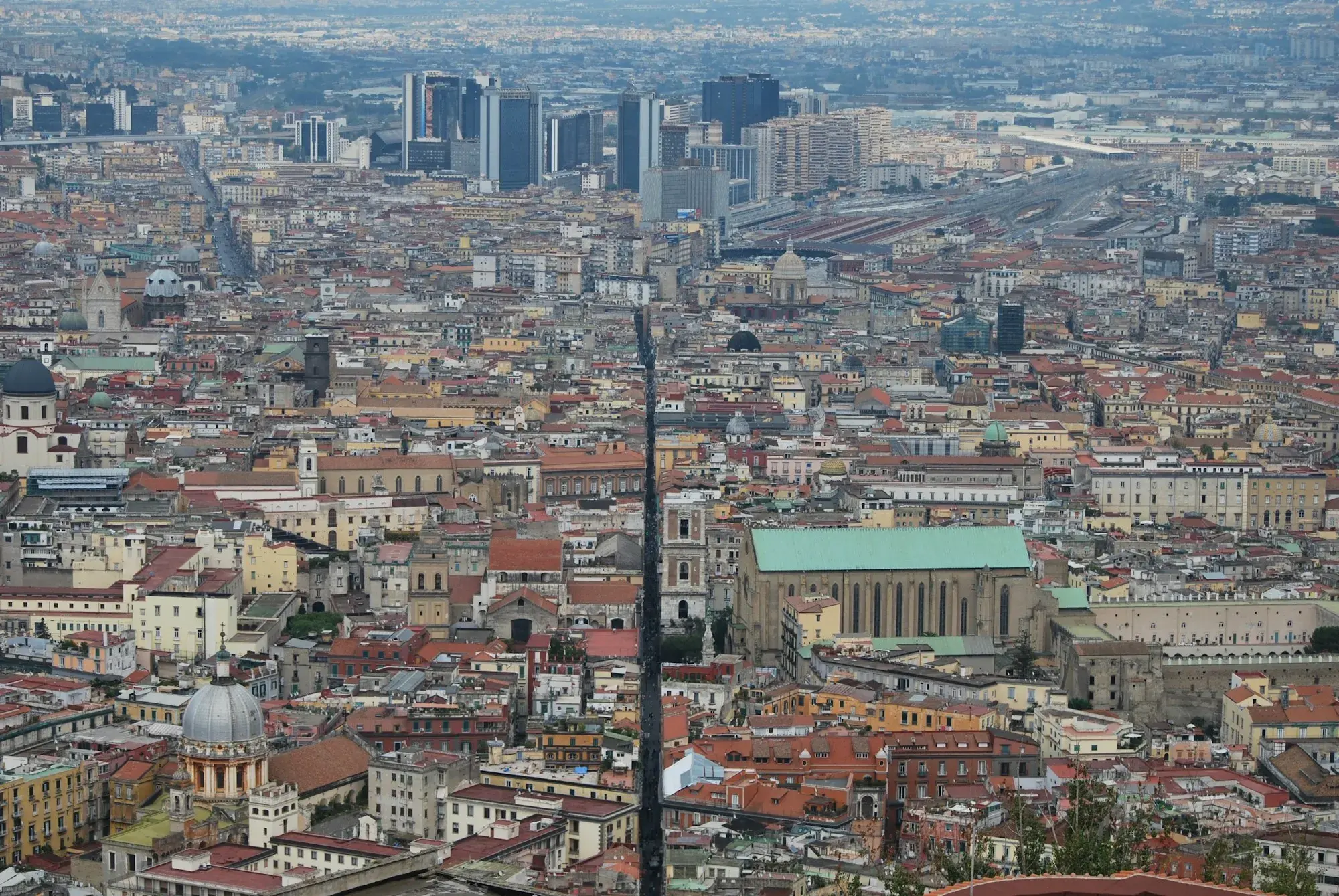
Spaccanapoli — "Naples-splitter" — is the popular name for the long straight street (Via Benedetto Croce and Via San Biagio dei Librai) that runs through the historic centre along the line of an ancient street. Walking it, and the parallel Via dei Tribunali, is the best introduction to the city: churches, palaces, workshops and food shops line the way. Allow half a day. Free, and suited to everyone.
Via dei Tribunali and San Gregorio Armeno
Via dei Tribunali, the other main street of the ancient grid, is known for its churches and pizzerias. Just off it, Via San Gregorio Armeno is lined with workshops making figures for Nativity scenes (presepi), a Neapolitan craft tradition. Busy all year and especially around Christmas.
Naples Cathedral
The cathedral is dedicated to San Gennaro, the city's patron saint, whose chapel is one of Naples' most important religious sites; the Treasure of San Gennaro is displayed in a museum alongside. Allow about an hour. Of particular interest to visitors interested in religious history and Baroque art.
Santa Chiara
The monastic complex of Santa Chiara is known for its cloister decorated with majolica tiles, a quiet space in the middle of the centre. The church is free; the cloister and museum are ticketed. Allow about an hour.
Sansevero Chapel
This small chapel holds Giuseppe Sanmartino's Veiled Christ, an 18th-century marble in which the figure appears to lie beneath a transparent veil. According to the museum, capacity is limited, advance booking on its official website is strongly recommended, and tickets can't be changed or refunded; late arrivals may lose their slot. The visit itself is short — about 30–45 minutes. Book early, especially at weekends.
Piazza del Plebiscito, the Royal Palace and San Carlo
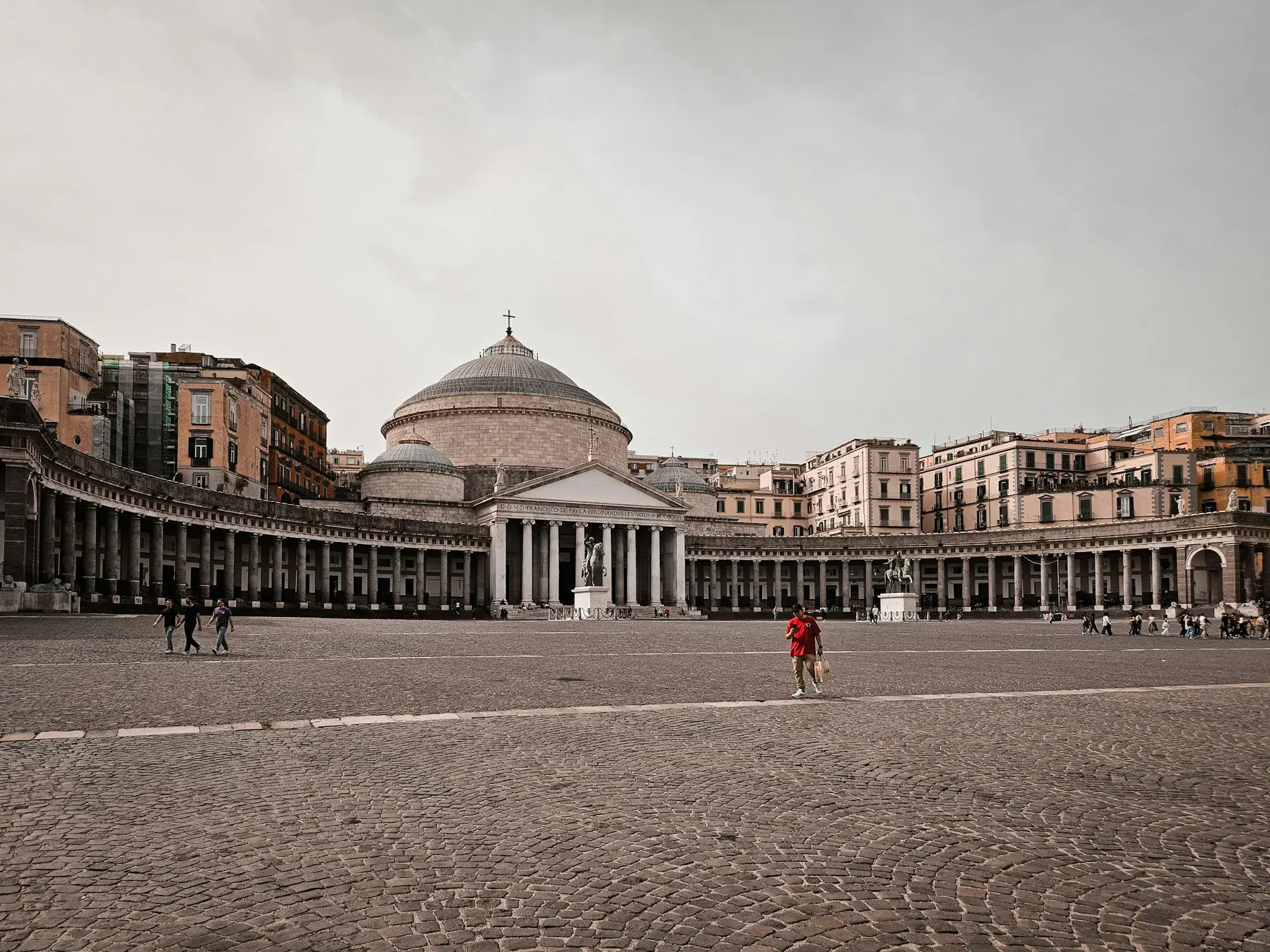
Piazza del Plebiscito, one of the city's largest squares, is framed by the church of San Francesco di Paola and the Royal Palace (Palazzo Reale), which is open as a museum. Beside it, the Teatro di San Carlo, opened in 1737, offers guided tours as well as performances; check its official website. Allow one to two hours for the area, more with the palace.
Galleria Umberto I
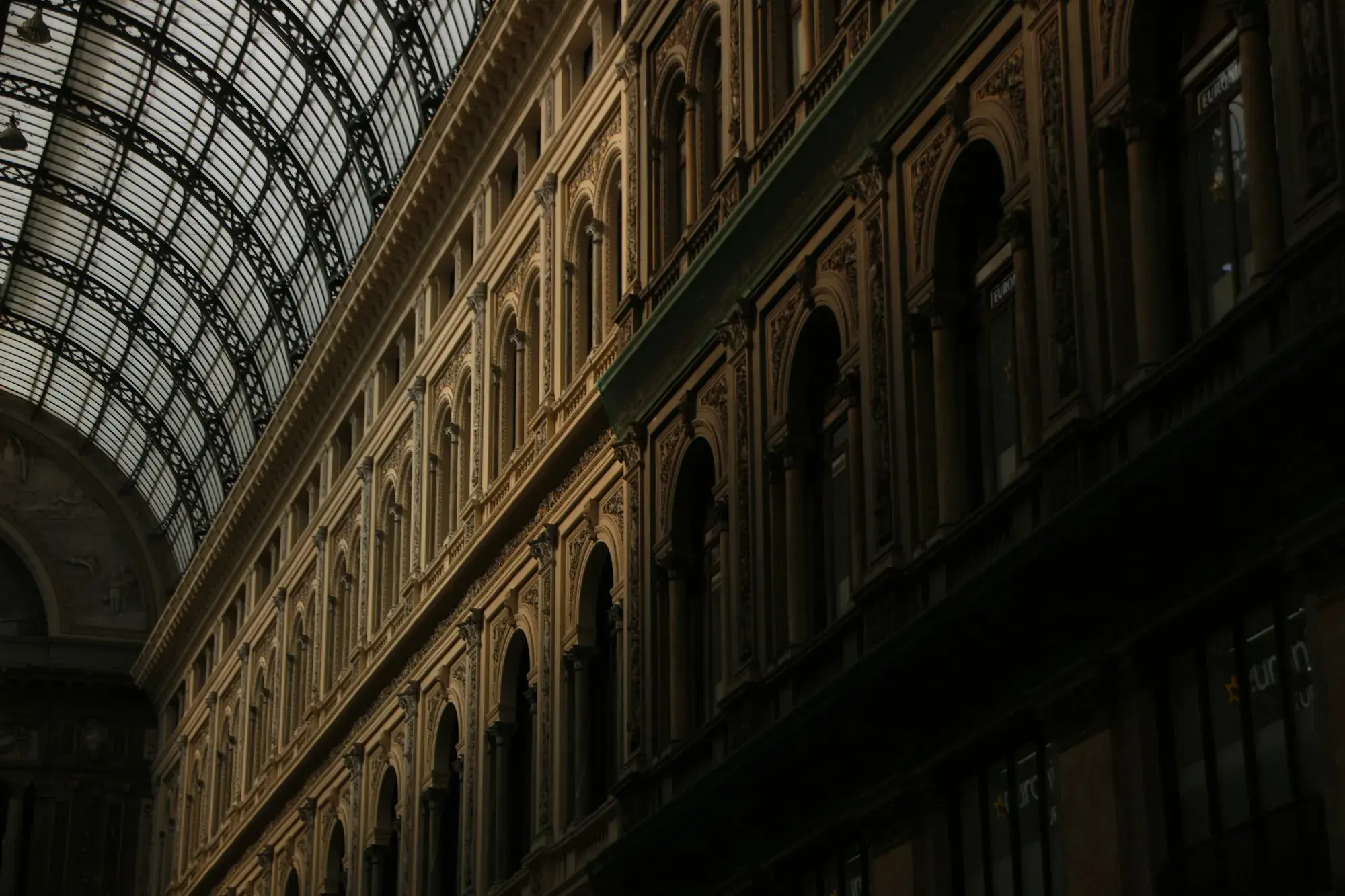
A glass-roofed shopping arcade from the late 19th century, opposite the Teatro di San Carlo. It takes a few minutes to walk through and is free. Good for architecture lovers and for a coffee break between the historic centre and the waterfront.
Castel Nuovo
The medieval castle on Piazza Municipio, also known as the Maschio Angioino, houses the city's civic museum. Allow about an hour. It's close to the port for ferries.
Castel dell'Ovo and the seafront
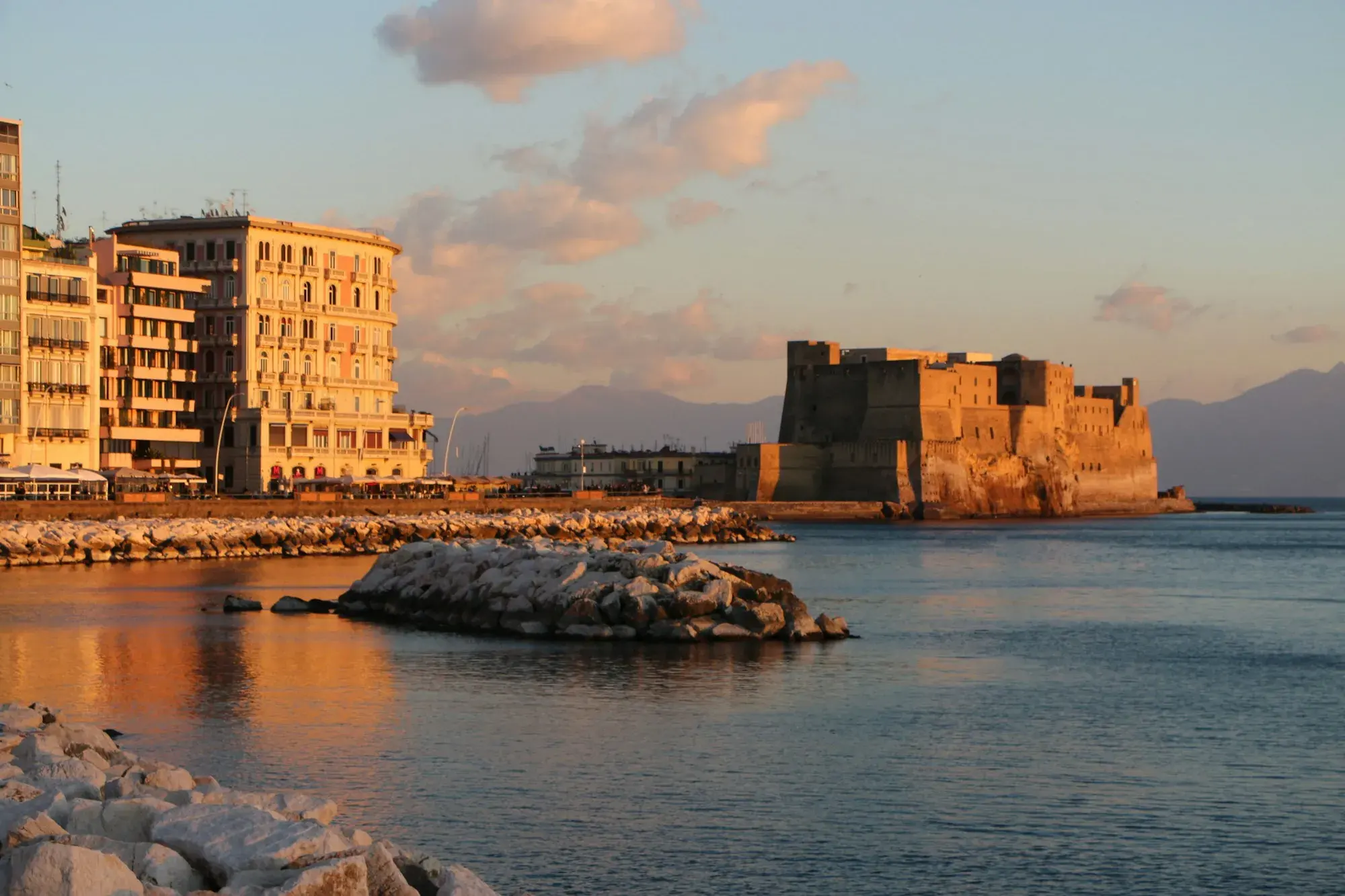
Castel dell'Ovo sits on a small island linked to the seafront by a causeway, beside the Borgo Marinari. It was closed for restoration from 2023; a reopening has been announced, but the city's official page still listed it as closed when we checked in September 2026, so confirm access before you go. The seafront promenade (the lungomare along Via Partenope and Via Caracciolo) is one of the city's favourite walks, with views across the bay to Vesuvius. Best in the late afternoon.
Quartieri Spagnoli
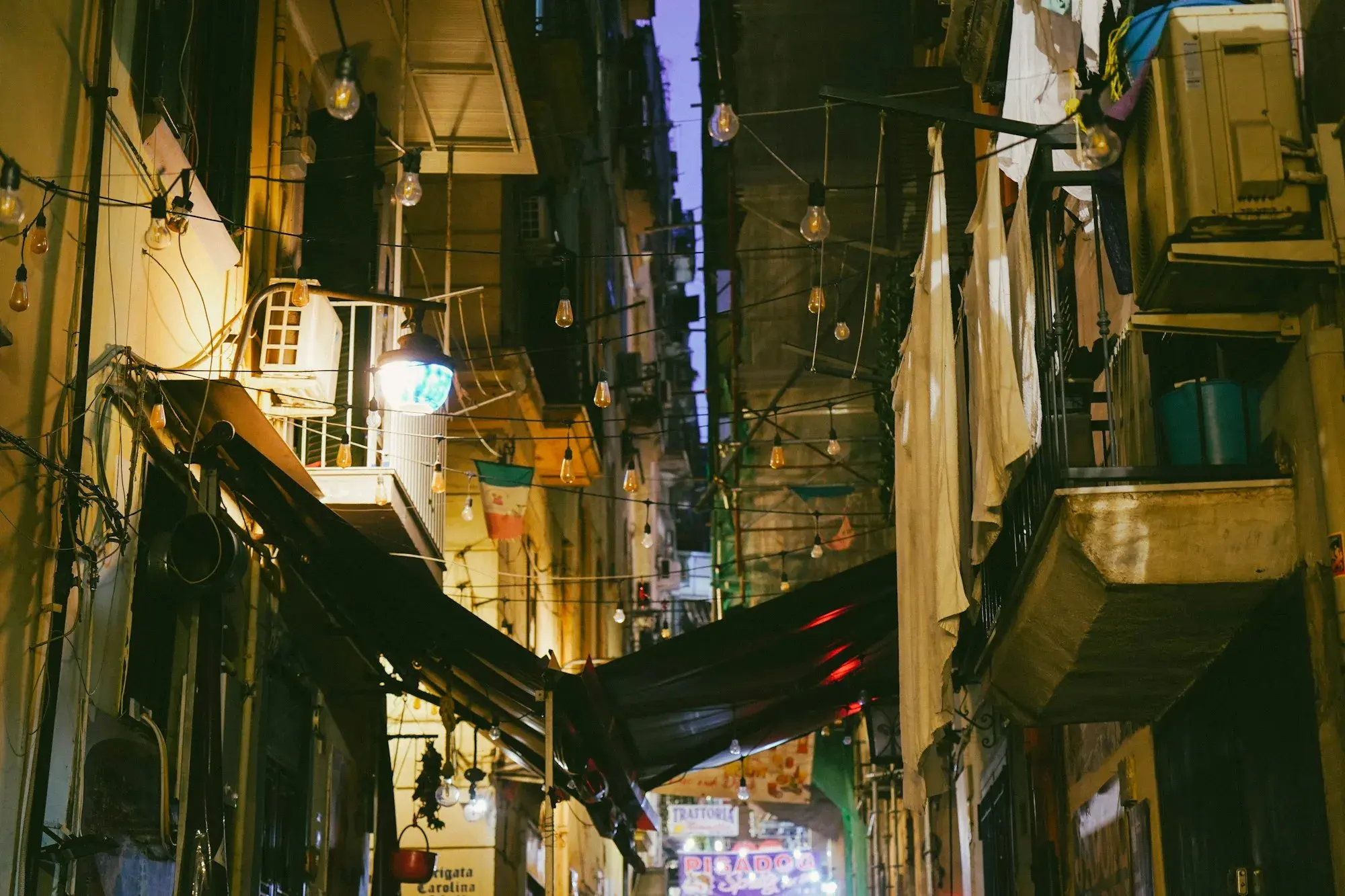
The Spanish Quarter, a grid of narrow streets laid out in the 16th century uphill from Via Toledo, is a residential neighbourhood that has become a popular place to walk, eat and see street art, including the well-known mural of Diego Maradona. Visit with the same everyday awareness as any busy city neighbourhood.
The Vomero and its viewpoints
The Vomero hill, reached by funicular or metro, has the city's classic views. Castel Sant'Elmo and the Certosa e Museo di San Martino, a former monastery with a museum, sit at the top; their terraces look over the historic centre, the bay and Vesuvius. Allow half a day.
How to prioritise
A practical planning aid rather than a ranking — adjust it to your interests.
| Sight | First-time priority | Typical visit | Book ahead? |
|---|---|---|---|
| Spaccanapoli and Via dei Tribunali | High | Half a day | No |
| Museo Archeologico Nazionale | High | 2–3 hours | Useful at busy times |
| Sansevero Chapel | High | 30–45 minutes | Strongly recommended |
| Naples Cathedral | Medium | About 1 hour | No |
| Santa Chiara cloister | Medium | About 1 hour | Usually not |
| Piazza del Plebiscito and Royal Palace | Medium | 1–2 hours | Usually not |
| Seafront and Castel dell'Ovo area | High | 1–2 hours | No; check castle access |
| Vomero viewpoints (Sant'Elmo, San Martino) | Medium | Half a day | Usually not |
| Pompeii (day trip) | High | Most of a day | Yes — named, capped tickets |
Naples in 1, 2 or 3 days
These frameworks keep each day realistic. Check opening days first — some museums close on a fixed weekday.
One day
The historic centre
Morning: Spaccanapoli and Santa Chiara. Late morning: the Sansevero Chapel (booked). Lunch: pizza on or near Via dei Tribunali. Afternoon: the cathedral and San Gregorio Armeno, then walk down to Piazza del Plebiscito. Evening: the seafront promenade.
Two days
Add a museum and the waterfront
Day 1 as the one-day plan. Day 2: the archaeological museum in the morning; the Vomero by funicular in the afternoon for the views; dinner in Chiaia or near the seafront.
Three days
A slower pace or one day trip
Days 1 and 2 as above. Day 3: Pompeii or Herculaneum by regional train, returning for a relaxed dinner — or stay in Naples for Capodimonte, the Royal Palace and the Quartieri Spagnoli.
Where to stay in Naples
The right area depends on how you'll arrive, what you want to be near and how much evening activity you like.
| Area | Good for | Advantages | Considerations |
|---|---|---|---|
| Centro Storico | Sightseeing on foot | Walk to Spaccanapoli, churches and pizzerias; metro nearby | Busy, narrow streets; can be lively at night |
| Around Via Toledo / Municipio | A central base with good transport | Metro lines, near Plebiscito and the port | Busy shopping street |
| Chiaia | Shops, restaurants, the seafront | Elegant streets, near the promenade and funiculars | Further from the historic centre and the main station |
| Santa Lucia | Sea views and the waterfront | Next to the promenade and Castel dell'Ovo | Often pricier; a walk or ride to the centre |
| Vomero | A quieter, residential feel | Viewpoints, shops; funicular and metro links | Uphill from the centre; relies on public transport |
| Quartieri Spagnoli | Central, lively stays | Near Via Toledo; many places to eat | Narrow, steep streets; can be noisy |
| Around Napoli Centrale | Early trains and day trips | Station, Circumvesuviana and airport bus close by | Busy transport hub; less atmospheric |
For a first visit, the Centro Storico or the area around Via Toledo and Municipio usually balances sightseeing and transport best. Whatever you choose, check the walking route from the nearest metro station, and whether the building has a lift.
Naples neighbourhoods
| Area | Where | Character | Useful for |
|---|---|---|---|
| Centro Storico | The historic grid between the station and Via Toledo | Churches, cloisters, workshops, pizzerias | The main sights on foot |
| Toledo and Municipio | Along Via Toledo down to the port | Main shopping street, squares, public buildings | Transport, Plebiscito, ferries |
| Quartieri Spagnoli | Uphill from Via Toledo | Dense residential streets, street art, small restaurants | Food and a central base |
| Chiaia | West of Plebiscito, near the sea | Shops, cafés and restaurants | Evenings and the seafront |
| Santa Lucia and Borgo Marinari | The seafront around Castel dell'Ovo | Waterfront hotels and restaurants | Promenade walks |
| Vomero | On the hill above the centre | Residential, with viewpoints and museums | Views and a calmer stay |
Getting around Naples
Naples is walkable in the centre, but it's built on hills: the Vomero and Posillipo sit well above the historic centre and the sea. Combine walking with public transport.
- Walking — the best way to see the historic centre and the area between Via Toledo and the seafront.
- Metro — Line 1, run by ANM, links the central station area with the historic centre, Via Toledo, Municipio and the Vomero; several stations are decorated with contemporary art, Toledo being the best known. Line 6 runs from Municipio towards Mergellina, and Line 2 is a cross-city rail line run by Trenitalia.
- Funiculars — four funicular lines climb to the Vomero and Posillipo areas and save a steep walk.
- Buses — useful for the seafront and some hill areas, though slower in traffic.
- Taxis — use official taxis from ranks or booked by phone or app. Official taxis offer predetermined fares on some routes; ask before setting off.
- Regional trains — the Circumvesuviana (run by EAV) serves Herculaneum, Pompeii and Sorrento; other lines serve Pozzuoli and the Phlegraean Fields.
- Ferries and hydrofoils — from the port (Molo Beverello and Calata Porta di Massa) to Capri, Ischia, Procida, Sorrento and, in season, the Amalfi Coast.
Timetables and ticket rules change; check the operators' current information on the day. For island and coastal boats, see ferries in Italy.
Naples Airport to the city
Naples International Airport (Capodichino) is close to the city.
- Alibus — the airport bus run by ANM links the airport with Piazza Garibaldi/Napoli Centrale and the port at Molo Beverello. According to ANM, the ride to the central station takes about 15 minutes, traffic permitting.
- Taxi — from the official rank. Check the current predetermined fares before you set off.
- Private transfer — useful for late arrivals, lots of luggage, or if you're heading straight to Sorrento or the Amalfi Coast.
- Metro Line 1 — an airport station is being built on Line 1. Until trains serve it, check ANM for the current connection.
For other airports, see our guide to Italian airport transfers.
Naples by train
Napoli Centrale, on Piazza Garibaldi, is the main station. High-speed trains run by Trenitalia (Frecciarossa) and Italo connect it directly with Rome, Florence, Bologna and Milan; some high-speed trains also call at Napoli Afragola, outside the city — check your ticket. Between Rome and Naples, the fastest high-speed trains take about an hour to an hour and a quarter; journeys from Florence and Milan take longer, so check the current timetable.
Beneath and beside the main station, you'll find metro lines 1 and 2 and the Circumvesuviana station for Herculaneum, Pompeii and Sorrento (Napoli Garibaldi, with the line's terminus at Porta Nolana nearby). For tickets, validation and station tips, read how to travel around Italy by train. If you're coming from Rome, see Rome in three days for the other half of the trip.
Pompeii and Herculaneum
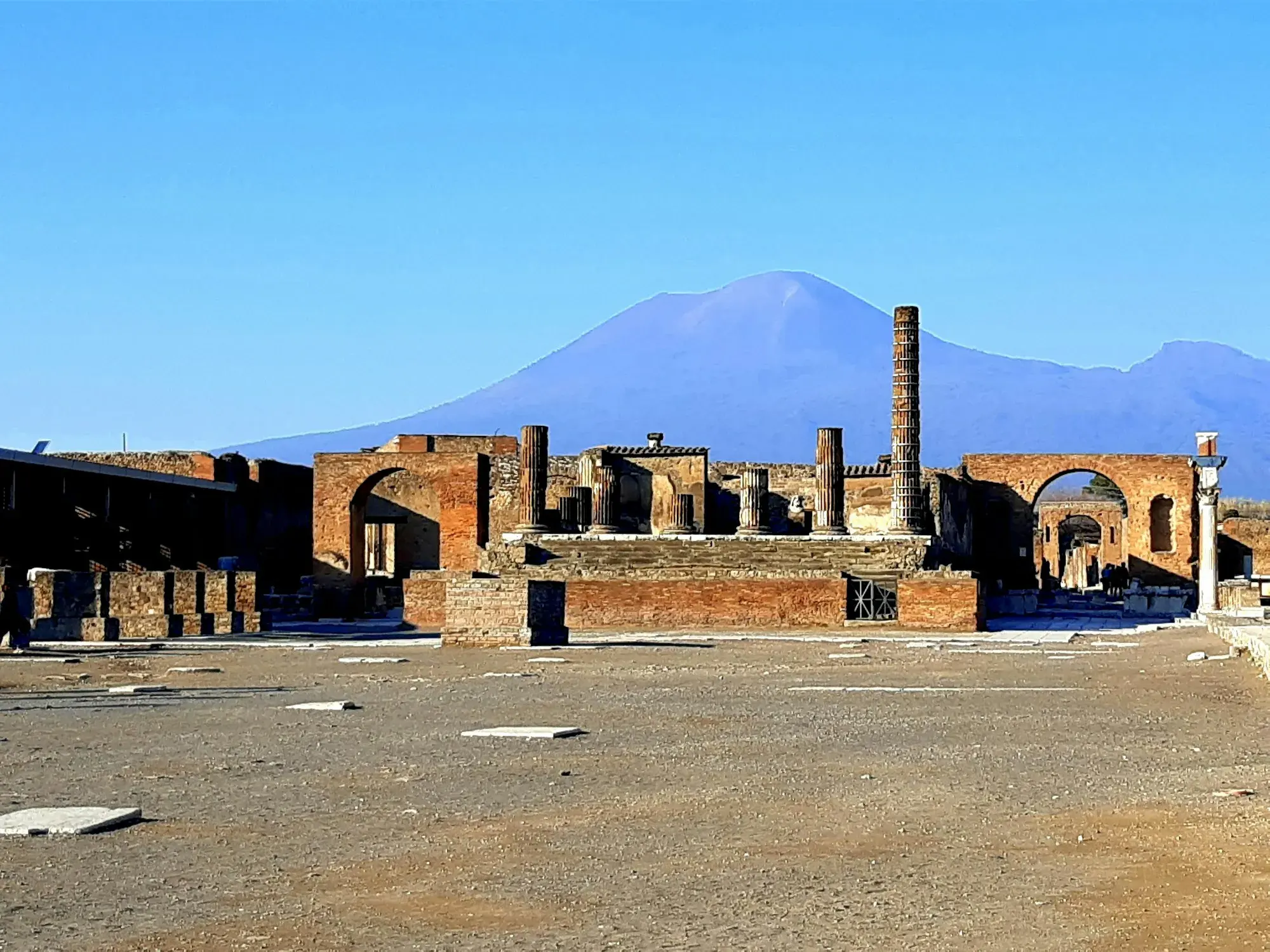
Pompeii is the reason many travellers come to Naples. The Roman town buried by the eruption of Vesuvius in AD 79 is one of the most visited archaeological sites in the world, and the finds in Naples' archaeological museum complete the picture.
Visiting Pompeii
According to the Archaeological Park of Pompeii, tickets are nominal (issued in the visitor's name), there's a daily limit of 20,000 visitors, and timed entry slots apply from mid-March; the park's official seller is Vivaticket, and tickets are also sold at the entrances. Large bags aren't allowed. Allow at least half a day — many visitors spend most of the day — and bring water, a hat and comfortable shoes: the site is large, exposed and paved with uneven stone.
How to get there
| Option | Advantages | Considerations |
|---|---|---|
| Regional train (Circumvesuviana) | Direct from central Naples to Pompei Scavi–Villa dei Misteri, near an entrance; inexpensive | Trains can be crowded; check EAV's current timetable and service notices |
| Campania Express (EAV) | A tourist service on the same line with fewer stops | Runs on its own schedule; check current dates and times with EAV |
| Organised tour | Transport and a guide in one; no planning | Fixed timings; less flexibility |
| Private transfer | Door to door; easy to combine with Herculaneum or the coast | The most expensive option; traffic can be heavy |
| Rental car | Flexibility for other stops | Traffic, parking and city driving; rarely needed from Naples |
Trenitalia's regional trains on the Naples–Salerno line also stop at Pompei station in the modern town, a walk from the Piazza Anfiteatro entrance.
Herculaneum as an alternative
Herculaneum (Ercolano), closer to Naples on the same Circumvesuviana line, is smaller than Pompeii and often less crowded. Buried differently in the same eruption, it preserves upper floors, wooden elements and colours to a remarkable degree. Two to three hours is usually enough, which makes it easier to combine with an afternoon in Naples. Check the Herculaneum Archaeological Park's (opens in a new tab) official site for current information.
Naples food
Food is one of the main reasons to visit Naples, and much of the best is simple and inexpensive.
- Neapolitan pizza — soft, with a puffy rim and a short, very hot bake. The art of the Neapolitan pizzaiuolo is on UNESCO's list of intangible cultural heritage. The Margherita and the marinara are the classics.
- Pizza fritta — fried, filled pizza, a traditional street food.
- Pizza a portafoglio — a small pizza folded in four and eaten on the go.
- Street food — the cuoppo (a paper cone of fried snacks) and the frittatina di pasta (fried pasta bites).
- Ragù napoletano — a slow-cooked meat and tomato sauce, traditionally a Sunday dish; the Genovese, despite its name, is a Neapolitan onion and meat sauce.
- Pasta — dishes such as pasta e patate con la provola, and seafood pasta such as spaghetti alle vongole.
- Seafood — fish, clams and mussels from the bay, especially near the seafront.
- Pastries — the sfogliatella (riccia, with crisp layers, or frolla, with a soft shortcrust) and the rum-soaked babà.

Practical notes: many pizzerias don't take bookings and queues form at popular places — arrive early or late; pizza is usually eaten whole, one per person, with a knife and fork; and some restaurants add a cover charge. For how Italian meals work in general, see Italian food traditions you should know, and for pastries across the country, traditional Italian desserts.
Coffee and café culture
Coffee in Naples is usually an espresso drunk at the counter, often served with a glass of water. At many bars you pay at the till first and show the receipt to the barista; others let you pay after. Sitting at a table can cost more than standing. Morning is the time for a pastry with your coffee, and the tradition of the caffè sospeso — paying for an extra coffee for someone who can't afford one — is part of the city's coffee lore. Habits vary from bar to bar, so follow what others do. More in how to order at an Italian bar.
Naples museums
Museo Archeologico Nazionale di Napoli (MANN)
If you visit only one museum in Naples, for many travellers this is it. The MANN holds a large share of the frescoes, mosaics and objects found at Pompeii, Herculaneum and other sites around Vesuvius, the Farnese collection of classical sculpture, and the Secret Cabinet of erotic art from the excavations. Seeing it before or after Pompeii makes both visits richer: the sites give you the setting, the museum the detail. According to the museum, it's closed on Tuesdays; some rooms are temporarily closed during renovation works, and the celebrated Alexander Mosaic is off display while it's restored, with the restoration visible from observation points. Allow two to three hours. It's near the Museo metro station.
Capodimonte
The Museo e Real Bosco di Capodimonte, a former royal palace in a large park north of the centre, holds a major collection of Italian painting, including works by Caravaggio and Titian. Allow half a day with the park.
Other museums
The Royal Palace, the Certosa e Museo di San Martino on the Vomero, the Treasure of San Gennaro and the Castel Nuovo civic museum add depth for longer stays. Check each museum's opening days before you plan around it.
Day trips from Naples
| Destination | Planning complexity | Half or full day? | Typical approach |
|---|---|---|---|
| Pompeii | Moderate — tickets are named and capped | Full day or a long half-day | Circumvesuviana, tour or transfer |
| Herculaneum | Low | Half day | Circumvesuviana |
| Sorrento | Low | Full day | Circumvesuviana or ferry |
| Amalfi Coast | High | Full day at least; better overnight | Seasonal ferries, buses or a driver |
| Capri | Moderate | Full day | Ferry or hydrofoil from the port; weather dependent |
| Caserta | Low | Half to full day | Regional train to Caserta for the Royal Palace (Reggia) |
| Procida or Ischia | Moderate | Full day | Ferry or hydrofoil |
The Amalfi Coast in particular is better as an overnight stay than a day trip from Naples; boat services to the islands and the coast are more frequent in summer and can be cancelled in rough seas — see ferries in Italy.
Best time to visit Naples
- Spring (April–June) — comfortable for walking the city and the archaeological sites, and the start of the boat season to the islands and the coast. Easter and long weekends are busy.
- Summer (July–August) — hot, particularly at Pompeii and Herculaneum, where there's little shade. Visit sites early, and expect the islands and the coast to be at their busiest.
- Autumn (September–October) — often the most comfortable season, with warm days, the sea still warm and demand easing. October and November are, on long-term averages, among the wettest months in Naples.
- Winter (November–March) — mild compared with northern Italy and quieter at the sites, but with shorter days, reduced ferry services and closures on the coast. Christmas brings crowds to San Gregorio Armeno.
For how Naples compares with the rest of Italy through the year, read the best time to visit Italy.
Naples without a car
Visitors staying in Naples generally don't need a car. The city's traffic is heavy, parking is scarce, and much of the centre is best on foot. Public transport covers what you need: the metro and funiculars within the city, the Circumvesuviana to Herculaneum, Pompeii and Sorrento, regional trains to Caserta and the Phlegraean Fields, and ferries to the islands. Taxis fill the gaps.
A car becomes useful if you're touring inland Campania, staying in the countryside or combining several less-connected places. Even then, many travellers pick it up when they leave Naples rather than using it in the city.
Driving in Naples and Campania
City traffic, parking and restricted traffic zones make driving in central Naples demanding. Coastal roads such as the Amalfi Coast road are narrow and winding, with seasonal traffic restrictions. Before hiring a car, read driving in Italy, which covers ZTLs, tolls and the Amalfi Coast's alternate number-plate scheme.
Staying safe and aware
Naples calls for the same everyday precautions as any large city:
- Keep valuables secure and out of sight, and carry bags in front of you in crowded places and on busy public transport.
- Use official taxis and licensed transport.
- Check where your accommodation is and how you'll get there, especially if you arrive late.
- Keep copies of documents and carry only what you need.
- Avoid displaying expensive jewellery, phones or cameras unnecessarily.
- In an emergency, call 112.
Official travel advice for your country is the most reliable source for current guidance.
Common first-time mistakes
- Trying to see everything in one day. Choose a few sights and walk between them.
- Using a car unnecessarily. Public transport and walking cover the city.
- Ignoring booking requirements. The Sansevero Chapel and Pompeii both have booking or ticket rules worth checking in advance.
- Planning Pompeii without checking transport. Check EAV's timetable and the park's official site the day before.
- Staying far from useful transport. A base near a metro station makes every day easier.
- Underestimating hills and walking. Use funiculars for the Vomero.
- Assuming everything is open every day. Several museums close on a fixed weekday.
- Relying on outdated transport information. Services and timetables change; use operators' current sites.
- Packing in too many day trips. One or two is realistic for a short stay.
- Skipping the local food. Leave time for pizza, pastries and coffee.
Practical checklist
0 of 12 done
Museum, archaeological-park and transport arrangements in this guide were checked on official websites in September 2026. Prices, timetables and opening hours change; confirm them before you go. For Naples within a longer trip, see our complete Italy travel guide.
Topics
Regions
Frequently asked questions
Editorial note
Information such as transport schedules, prices, opening hours and entry requirements can change. Check the relevant official source before making a booking or travelling. Read our editorial policy or report a correction.
Useful official resources
- Comune di Napoli (opens in a new tab) — city information, including Castel dell'Ovo
- Museo Archeologico Nazionale di Napoli (opens in a new tab) — opening days and room closures
- Archaeological Park of Pompeii (opens in a new tab) — tickets, time slots and visitor rules
- Archaeological Park of Herculaneum (opens in a new tab) — visiting information
- Museo Cappella Sansevero (opens in a new tab) — booking rules
- ANM — Alibus airport bus (opens in a new tab) — airport bus route
- Naples International Airport — by bus (opens in a new tab) — airport connections
- EAV — Circumvesuviana (opens in a new tab) — trains to Herculaneum, Pompeii and Sorrento
- Trenitalia (opens in a new tab) — high-speed and regional trains
- Italo (opens in a new tab) — high-speed trains
About the author
Editorial Team
Editorial Team
Researches, writes and updates stories and guides about Italy.
More from Editorial TeamWas this article useful?
Keep reading

Guide
Traveling Around Italy by Train: Routes, Tickets and Tips
How Italy's rail network works, which trains to choose, how tickets work and what first-time travellers should know.
Updated 20 min read

Guide
Best Time to Visit Italy: Weather and Seasons by Region
From city breaks and coastal escapes to mountain trips and food-focused journeys, find the season that fits your Italy itinerary.
Updated 27 min read

Guide
The Complete Italy Travel Guide: How to Plan Your First Trip
How many days you need, which places to combine, when to go, what it costs and how to get around — a step-by-step framework for planning a first trip to Italy.
Updated 22 min read

Guide
Rome in Three Days: A Practical First-Time Itinerary
One area per day — ancient Rome, the Vatican, the historic centre — with what to book, how to get around and what to skip if you run out of time.
Updated 16 min read
Cities
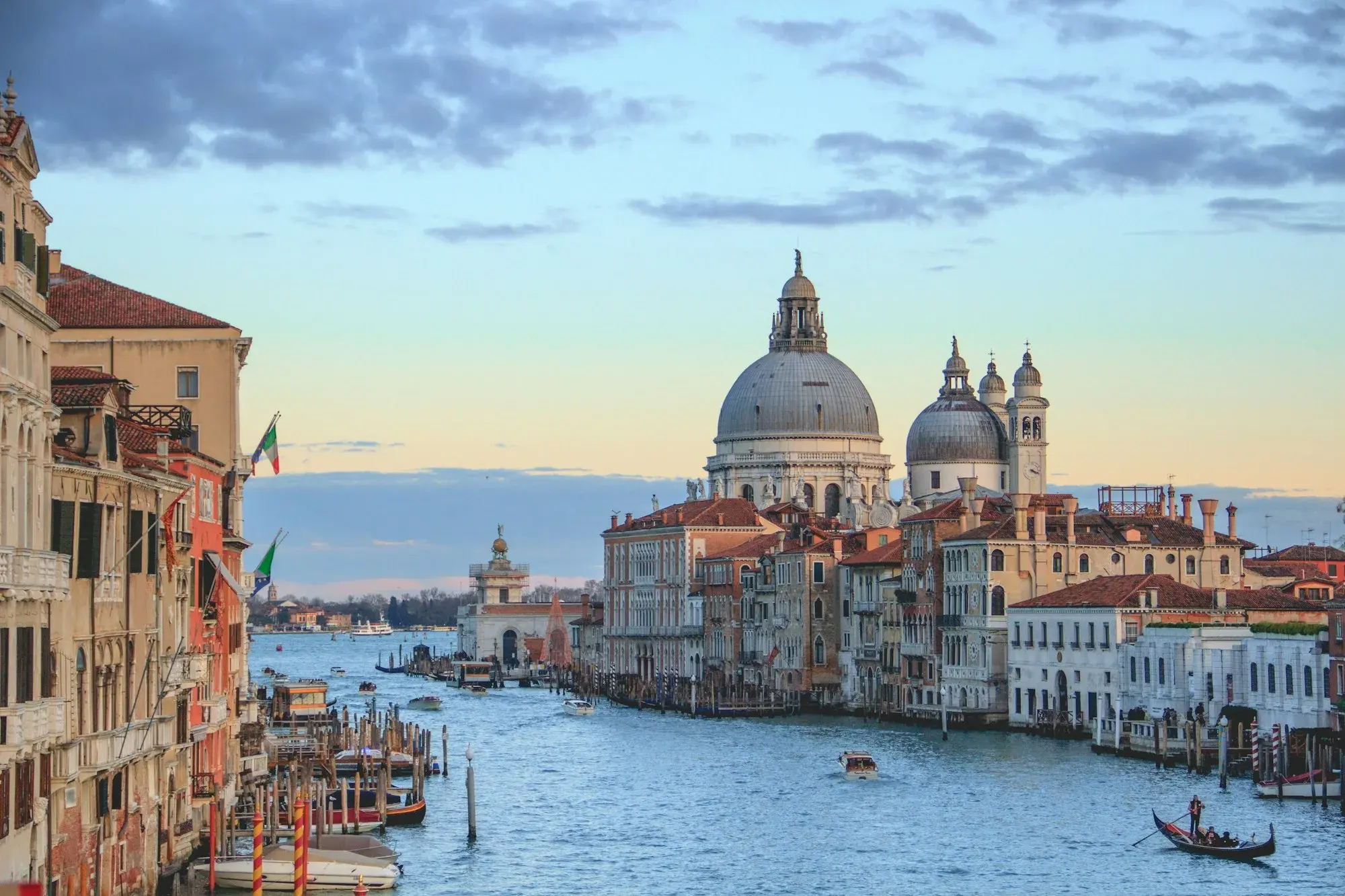
Venice for First-Time Visitors: What to See, Where to Stay and How to Get Around
How long to stay, where to base yourself, how the vaporetto works and how to see Venice beyond St Mark's — a practical plan for a first visit.
Updated 24 min read
Cities
Bologna in Two Days: What to See, Eat and Do on a First Visit
A realistic two-day plan for a first visit to Bologna — the historic centre, the porticoes, what to eat, where to stay and how to get around without a car.
Updated 20 min read
Explore more cities
More stories and guides from Life in Italia.