Italy Travel Planning Checklist: Everything to Prepare Before You Go
Everything to arrange for an Italy trip, in the order that matters — from route and documents to trains, timed tickets, packing and arrival day.
Editorial Team
- Published
- Updated
- Reading time
- 15 min read

What should you arrange before travelling to Italy?
Short answer
Most of the work of planning Italy is getting about ten decisions right, in the right order. Fix your dates, then your destinations and how many bases, then flights (ideally into one city and out of another), then accommodation in well-connected areas. Book intercity transport — usually high-speed trains — and the handful of major attractions that need timed tickets. Check your documents against the rules for your nationality, set a budget, arrange payments, phone data and insurance, and do your final checks in the last week. The rest — which church, which trattoria — can be decided on the spot.
The order matters because each decision limits the next: your dates set prices and opening days, your cities set your airports and trains, and your hotels decide how easy each day will be. This checklist follows that order, explains why each step matters and links to our detailed guides where you need more.
Step 1: Dates
Season, holidays and events affect prices, crowds and opening days.
Step 2: Destinations
Choose regions and a realistic number of bases.
Step 3: Flights
Pick arrival and departure airports that suit your route.
Step 4: Accommodation
Location and transport access matter as much as price.
Step 5: Transport
Book high-speed trains, or plan a car for rural areas.
Step 6: Major attractions
Reserve the few that need timed tickets.
Step 7: Documents
Check passport validity and entry rules for your nationality.
Step 8: Budget
Price accommodation and trains first; add the rest.
Step 9: Connectivity and money
Phone data, cards and insurance.
Step 10: Final checks
Confirmations, tickets offline, transfers and weather.
The master timeline
Timings vary — a weekend in Rome needs less lead time than two weeks across three regions — so treat these as a guide. Tick items off as you go; your progress is saved on this device.
0 of 28 done
Before you book anything
Decide the shape of the trip before booking any single piece of it. A few questions settle most of it:
- Which regions? Italy is long: the north, centre and south are different trips. Two or three regions are plenty for two weeks.
- How many cities? A useful rule is at least two nights in each base, and three for major cities such as Rome.
- Same airport in and out, or open-jaw? Flying into one city and out of another (for example, into Venice and out of Rome) avoids a long journey back to your starting point.
- Trains or a car? Trains suit city-to-city trips; a car suits countryside, islands and small towns. Many trips combine both: trains between cities, a car for a few rural days.
- How many hotel changes? Each move costs roughly half a day. Fewer bases, with day trips, usually feel better than one night everywhere.
Our complete Italy travel guide covers these decisions in depth, and how much a trip to Italy costs shows how each choice affects your budget.
Choose your route
There's no single best itinerary. These examples show how different routes work; choose by trip length, interests, transport and season.
| Route | Suits | Transport | Planning notes |
|---|---|---|---|
| Rome + Florence + Venice | First visits, art and history | High-speed trains | Fly into Venice and out of Rome, or the reverse |
| Milan + Lake Como + Verona | Lakes, cities, food and wine | Trains; boats on the lake | Lake boats run less often outside the main season |
| Naples + Amalfi Coast + Rome | Coast, archaeology, food | Trains, ferries, buses | Coastal transport is seasonal and busy in summer |
| Sicily-focused trip | Food, history, landscapes | Car helpful; trains limited outside main lines | Fly in and out of Palermo or Catania |
| Northern Italy | Cities, lakes, mountains | Excellent rail network | Check events and trade fairs in Milan, Bologna and Verona |
| Southern Italy | Coasts, food, slower pace | Trains plus buses, ferries or a car | Summer heat and seasonal closures matter |
| Slower regional trip | Repeat visitors, road trips | Car | One or two bases with day trips |
For individual destinations, see our guides to Rome, Florence, Venice, Milan, Lake Como, Verona, Bologna, Naples, Turin, Palermo and the Dolomites. For timing, read the best time to visit Italy.
Flights
- Departure and arrival airports — Rome Fiumicino, Milan Malpensa and Venice Marco Polo are the main international gateways; Naples, Bologna, Pisa, Florence, Catania and Palermo also have international flights.
- Return airport — an open-jaw or multi-city ticket (into one city, out of another) often saves a day of backtracking.
- Baggage allowance — check it for every flight, including any short internal or low-cost legs.
- Connection times — allow for passport and border checks when connecting into the Schengen area.
- Arrival time — a late-evening arrival limits transfer options; plan how you'll reach your hotel.
- Terminal and airport transfer — note the terminal and how you'll get into the city.
- Airline check-in rules — some airlines require online check-in or document checks before travel.
Passport, entry and documents
A few points apply to many visitors from outside the EU:
- Passport validity — according to the EU, non-EU nationals' passports should be valid for at least three months after the date you intend to leave the EU, and must have been issued within the last ten years.
- Visas — some nationalities need a Schengen visa for short stays; others don't. Check before booking.
- The Entry/Exit System (EES) — according to the European Commission, the EES has been fully operational since 10 April 2026. It replaces passport stamps for non-EU short-stay visitors with a digital record, including fingerprints and a facial image, taken at the border. Allow extra time on your first entry.
- ETIAS — a future travel authorisation for visa-exempt visitors. According to the official ETIAS website, as of September 2026 it is not yet in operation and no applications are being collected; the EU will announce the start date several months in advance. Beware of unofficial sites offering applications.
- Supporting documents — border officials may ask for proof of accommodation, a return or onward ticket, or other documents.
EU citizens can travel with a valid passport or national identity card. Children need their own travel documents.
Documents to carry or save
- Passport (and visa, if required)
- Travel insurance policy and emergency number
- Flight, hotel, train and attraction confirmations
- Driving licence, and an International Driving Permit if required for your licence
- A copy of your passport, stored separately from the original
- Emergency contacts, including your embassy or consulate in Italy
Accommodation
Choose the location first and the hotel second: a well-placed room saves time and taxis every day.
| Check | Why it matters |
|---|---|
| Location | Walking distance to what you'll see, or close to the metro |
| Transport access | Distance from the station you'll arrive at, and luggage over steps or bridges (Venice especially) |
| Check-in time | Often mid-afternoon; ask about luggage storage for early arrivals |
| Late arrival | Some small properties need advance notice for evening check-in |
| Cancellation policy | Flexible rates cost more but protect you if plans change |
| Room occupancy | Italian rooms can be small; check beds for families |
| Lift and accessibility | Historic buildings may have stairs and no lift |
| Breakfast | Included or not; many travellers prefer a bar breakfast |
| Tourist tax | Often charged separately at the property |
Tourist taxes and prices vary by city and season; see how much a trip to Italy costs.
Itinerary planning
The most common planning mistake is fitting too much into each day. A simple framework keeps days realistic:
- One major attraction — a timed museum or site, usually in the morning.
- Supporting sights nearby — churches, squares and views within walking distance.
- A proper meal break — lunch is part of the day, not a gap in it.
- Neighbourhood time — a slow afternoon or evening in one area.
- A buffer — an hour or two unplanned for rest, queues or discoveries.
Group sights by area rather than by fame, and avoid crossing a city twice in one day. Our city guides show how this works in practice: Rome in three days, Florence, Venice, Bologna in two days and Naples.
Attractions that need planning
Most sights in Italy don't need advance booking — squares, many churches, markets and neighbourhoods are free and open. A limited number of major attractions do, and for those, booking is the difference between a smooth visit and a lost morning.
| Attraction | Planning needed | Why |
|---|---|---|
| Colosseum, Rome | Book on the official site | Named tickets with timed Colosseum entry |
| Vatican Museums, Rome | Book on the official site | Booking secures entry; closed most Sundays |
| The Last Supper, Milan | Book well ahead | Booking is compulsory and visits are limited |
| Uffizi, Florence | Book for peak periods | Timed entry helps avoid long queues |
| Doge's Palace, Venice | Booking recommended | Online tickets bought well ahead cost less |
| Museo Egizio, Turin | Book online | Tickets are sold online only |
| Borghese Gallery, Rome | Book in advance | Booking is compulsory |
| Casa di Giulietta, Verona; Archiginnasio, Bologna | Book online | Online booking is compulsory |
| Arena di Verona performances | Book per event | Summer opera and other events have their own tickets |
Always use the official ticket sites linked from our city guides; resellers often charge more. Check the date and time on every ticket before paying — mistakes are usually non-refundable.
Train planning
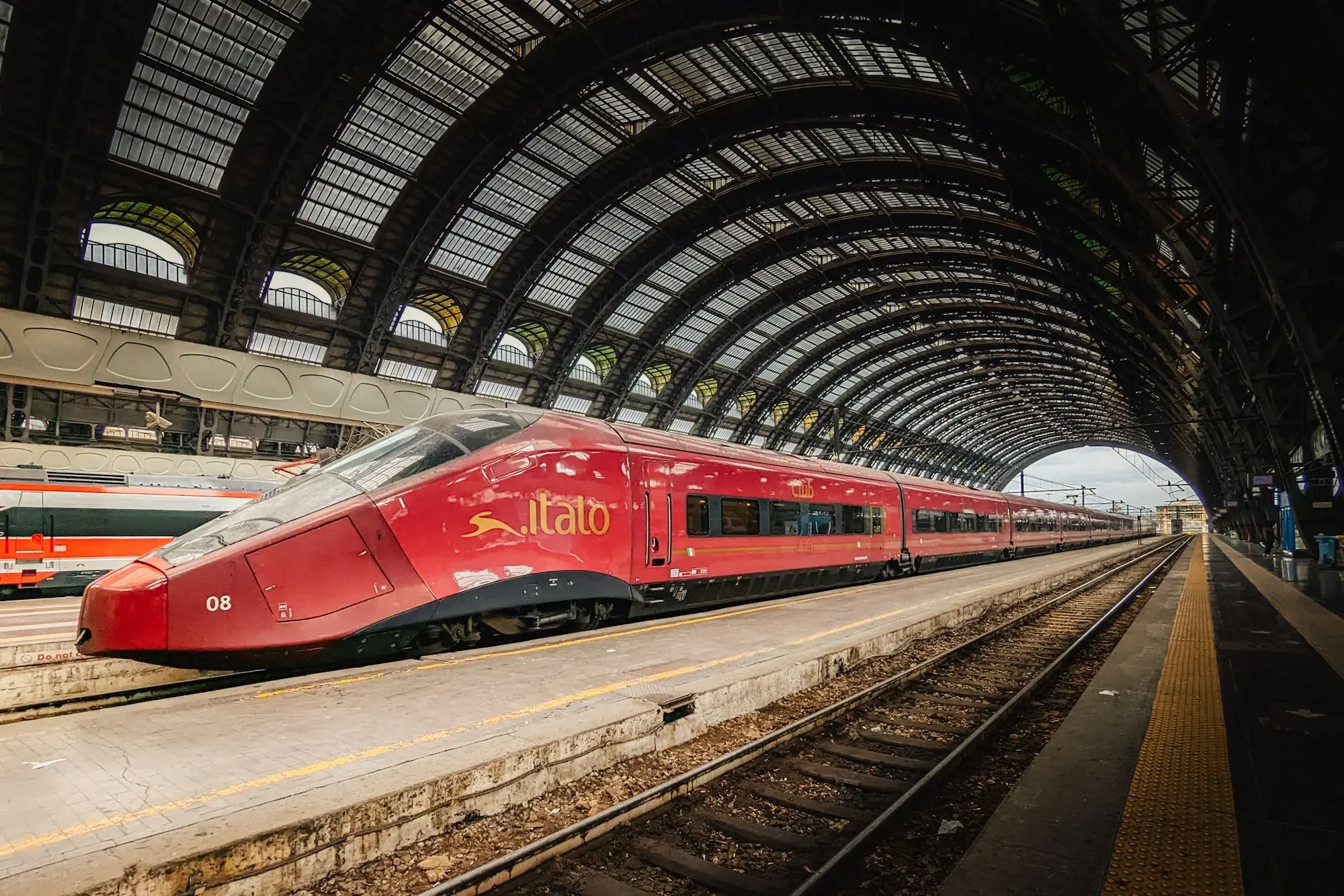
- High-speed or regional? High-speed trains (Frecciarossa and Italo) link the main cities with assigned seats and demand-based fares; regional trains are slower, with fixed fares and no seat reservations.
- Book high-speed trains early for busy days, especially Fridays, Sundays and holidays.
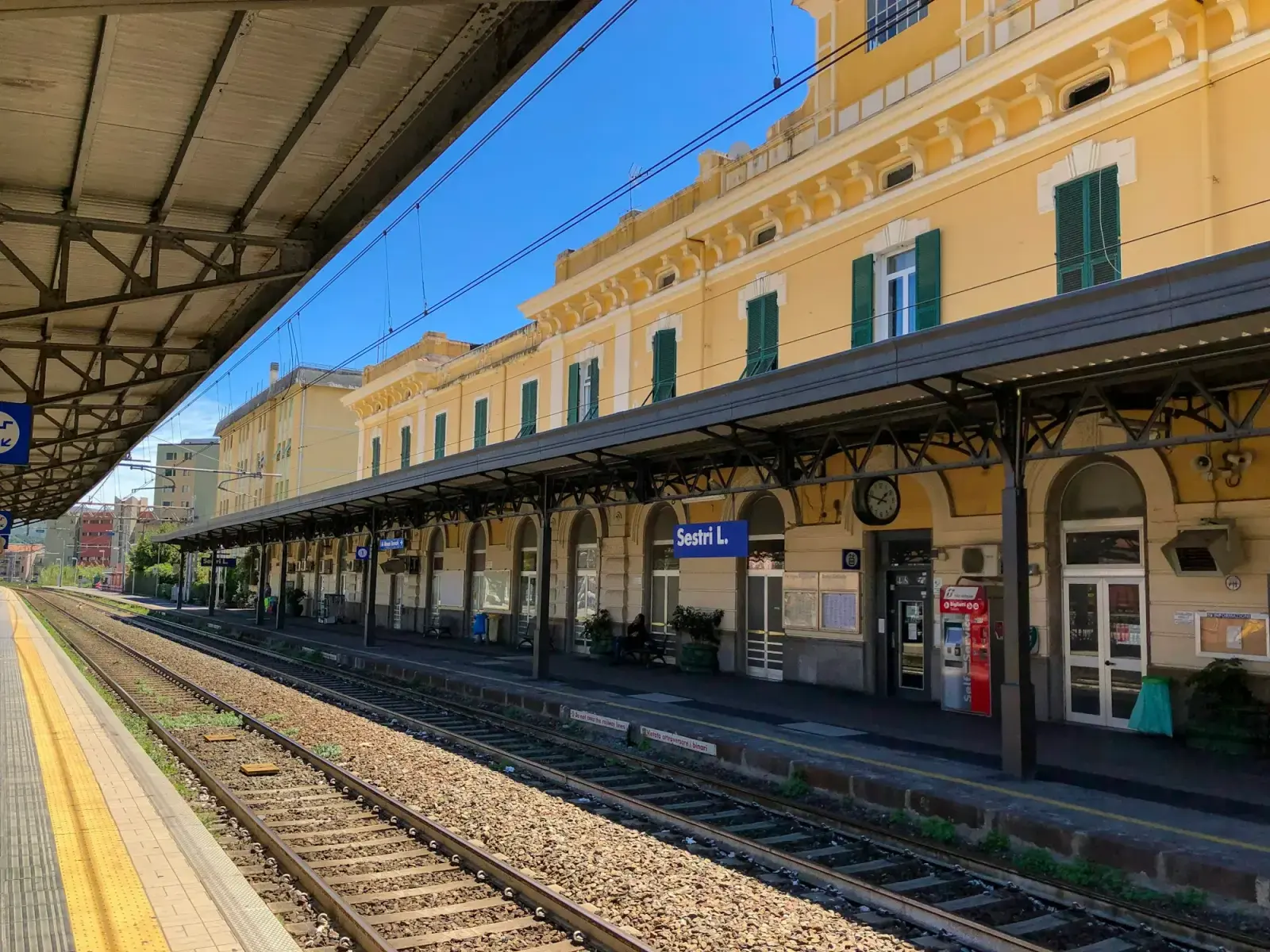
- Choose the right station — several cities have more than one major station: Termini and Tiburtina in Rome, Centrale and Porta Garibaldi in Milan, Santa Lucia and Mestre in Venice, Porta Nuova and Porta Susa in Turin. Not every station is in the historic centre.
- Validation — paper regional tickets must be validated before boarding; digital tickets for a specific train generally don't need it. Check your ticket's conditions.
- Luggage — there's no check-in; you carry your bags on board and store them yourself.
- Connections — leave generous time between trains, and between a train and a flight.
- Strikes — transport strikes are announced in advance on the Italian Ministry of Infrastructure's strike calendar.
Read Italy by train for tickets and stations, and getting between Italian cities for routes.
Car and road-trip planning
- Rental requirements — minimum age, credit card and deposit rules vary by company.
- Licence — depending on where your licence was issued, you may need an International Driving Permit as well; check with your licensing authority and the rental company.
- Insurance — understand the excess and what's covered.
- ZTL — limited traffic zones in historic centres are enforced by cameras; driving in without permission can bring fines.
- Tolls — most motorways are tolled by distance.
- Parking — often paid in towns and hard to find in cities.
- Fuel — know whether your car takes petrol or diesel, and check self-service pumps.
- Pickup and drop-off — pick up as you leave a city rather than driving into one; one-way rentals may cost extra.
- Transmission — manual cars are more common; book early if you need an automatic.
Our guide to driving in Italy covers the rules in detail.
Airport transfers
Plan your airport transfer before you fly, especially for late arrivals. Most major airports have a train or bus into the city, and taxis at the terminal; some cities set fixed taxi fares to the centre. Compare journey time, luggage and arrival time: a train is often quickest, a taxi easiest with heavy bags or children, and a pre-booked private transfer useful for very late arrivals. Our guide to Italian airport transfers covers the main airports.
Money and payments
- Cards — contactless card and phone payments are widely accepted, including on public transport in several cities.
- A backup card — carry a second card, kept separately.
- Your bank — check foreign transaction and ATM fees, and whether you need to tell the bank you're travelling.
- ATMs — use machines attached to banks where possible; check the fees shown on screen.
- Currency conversion — when a card machine or ATM offers to charge in your home currency, choosing euros usually avoids a conversion mark-up.
- Some cash — useful for small purchases, markets and places that prefer it.
- Payment apps — set up and test any app you plan to use before you leave.
Phone and internet
- Roaming — EU mobile plans can generally be used in Italy under the EU's roaming rules; for other plans, check your provider's charges.
- eSIM or local SIM — an eSIM can be set up before you travel if your phone supports it; a local SIM needs ID to buy.
- Wi-Fi — common in hotels and cafés, but don't rely on it for tickets.
- Offline maps — download maps for each city.
- Translation app — download the Italian language pack for offline use.
- Travel apps — the Trenitalia or Italo apps for trains, and your airline's app.
Travel insurance
Read the policy, not just the price. Check:
- Medical cover — the level of cover, emergency treatment and repatriation.
- Cancellation and curtailment — what reasons are covered.
- Delays and missed connections — including strikes, which some policies treat differently.
- Baggage and valuables — limits per item.
- Exclusions — activities, pre-existing conditions and alcohol-related claims.
- Destination and dates — that Italy and all your travel days are covered.
EU citizens should also carry their European Health Insurance Card, which covers necessary state healthcare but isn't a substitute for travel insurance. Insurance terms vary widely; this is a list of questions, not advice on any particular policy.
What to pack
0 of 25 done
Italy-specific practical preparation
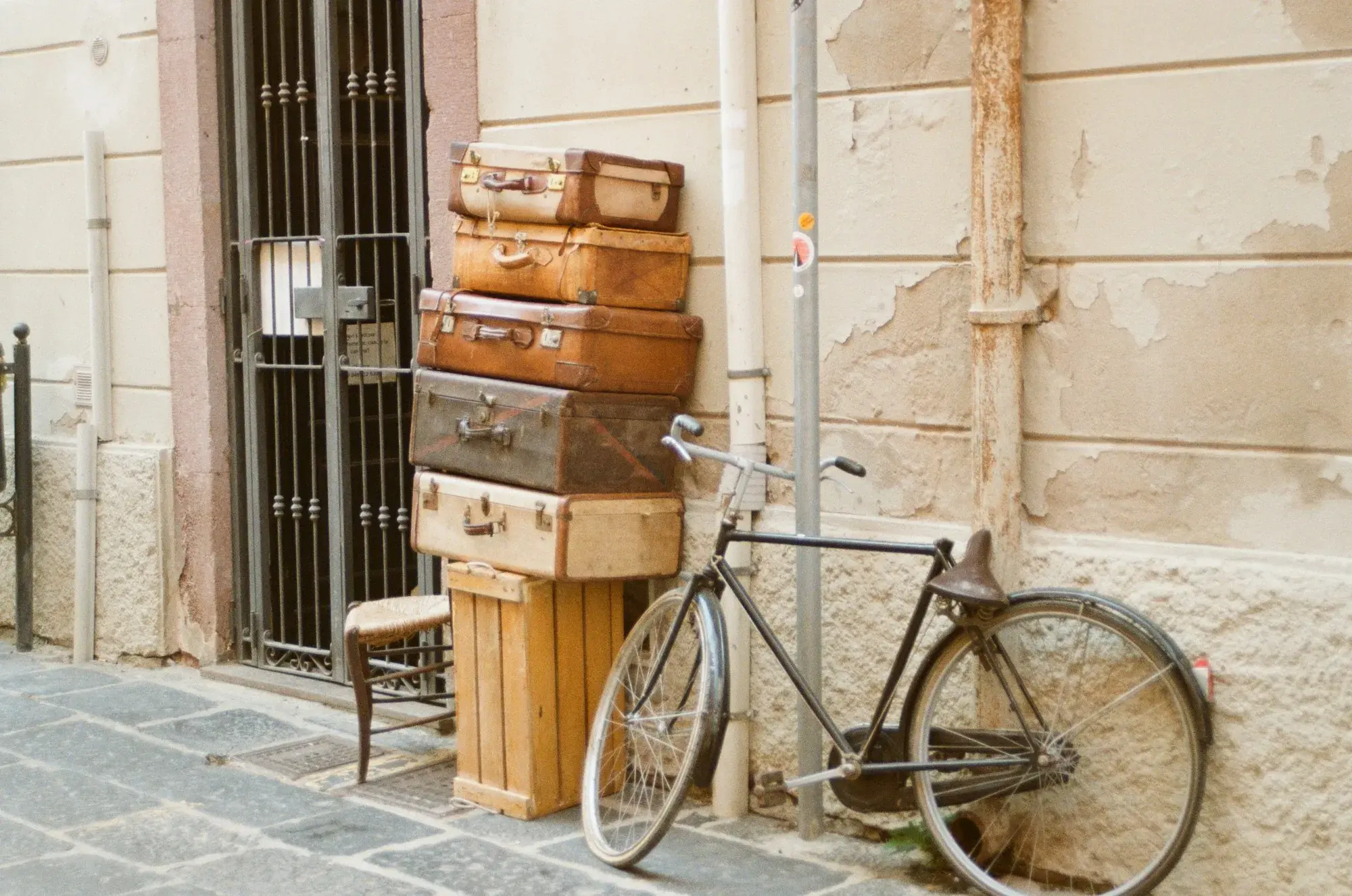
- Churches — many expect covered shoulders and knees; some large basilicas enforce it at the door.
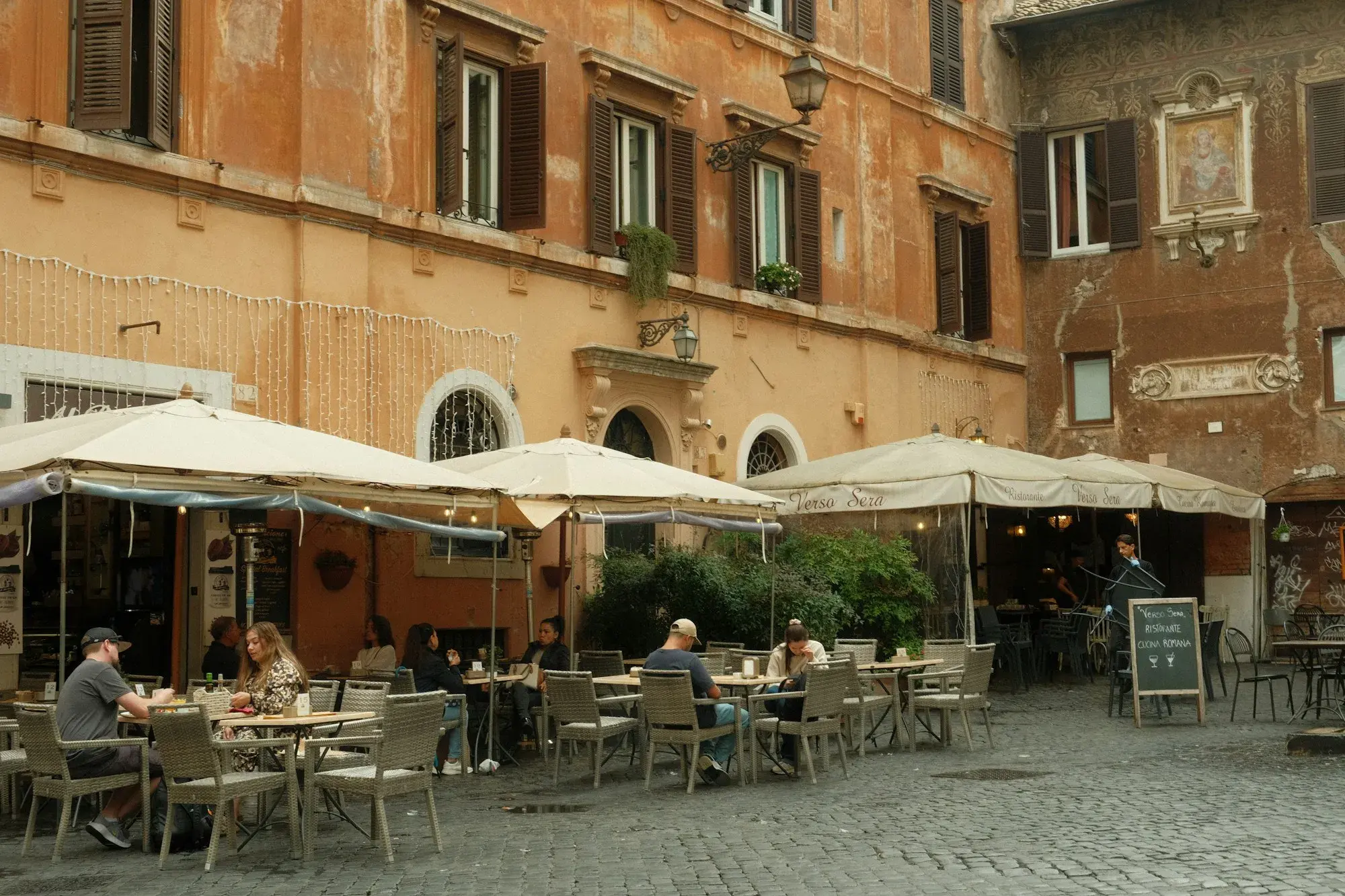
- Meal times — lunch is usually from about 12:30–13:00 and dinner from about 19:30–20:00, later in the south; many restaurants close between services.
- Cafés — standing at the counter is common and often cheaper than table service; you may pay first at the till.
- Luggage — historic centres have stairs, cobbles and, in Venice, bridges; smaller bags make every move easier.
- Public transport — validate paper tickets; many cities also accept contactless payment.
- Pedestrian zones and ZTL — much of every historic centre is closed to unauthorised traffic.
- Uneven streets — cobbles and steps are normal; good shoes matter.
- Water — many cities have public drinking fountains; carry a refillable bottle.
- Toilets — public toilets can be scarce; cafés usually expect a purchase.
- Service charges — restaurants may add a cover charge (coperto) or service charge; tipping beyond that is your choice.
- Emergencies — 112 is the European emergency number.
One week before
0 of 12 done
24–48 hours before
0 of 8 done
Arrival day
The first day is for arriving, not sightseeing. A few things make it smoother:
- Find your transfer — follow airport signs to trains, buses or the taxi rank, and use official taxis only.
- Reach your accommodation — keep the address and directions offline, and message the property if you'll be late.
- Arriving late? — confirm late check-in in advance, and consider a taxi rather than the last train or bus.
- Arriving early? — most hotels will store luggage until check-in; stations in larger cities have luggage deposits.
- Jet lag — spend time outdoors, eat at local times and keep plans light.
- Keep the first day simple — a walk, a good dinner and an early night; save major bookings for day two.

First-time mistakes to avoid
- Too many cities. Two nights per base is a sensible minimum.
- Too many hotel changes. Each move costs time and energy.
- Booking attractions without checking the date. Timed tickets are usually non-refundable.
- Forgetting the airport transfer. Especially after a late flight.
- Assuming stations are in the centre. Check which station your train uses.
- Ignoring ZTLs. Camera-enforced fines can arrive months later.
- Not checking church and museum rules. Dress codes, closing days and bag restrictions vary.
- Leaving no flexibility for weather. Keep an indoor option for rainy or very hot days.
- Not keeping confirmations accessible. Save them offline, not just in your inbox.
The master checklist
Save or print this list and work through it; it's grouped by topic rather than by date.
0 of 31 done
The entry rules in this guide were checked on official EU sources in September 2026 and can change. Check the rules that apply to you before you travel.
Topics
Frequently asked questions
Editorial note
Information such as transport schedules, prices, opening hours and entry requirements can change. Check the relevant official source before making a booking or travelling. Read our editorial policy or report a correction.
Official sources
- Your Europe — travel documents for non-EU nationals (opens in a new tab) — passport validity and entry
- Entry/Exit System (EES) — European Commission (opens in a new tab) — status of the EES
- ETIAS — official website (opens in a new tab) — current status and start date
- Italian Ministry of Foreign Affairs — visas (opens in a new tab) — visa requirements by nationality
- Italian Ministry of Infrastructure — strikes (opens in a new tab) — announced transport strikes
About the author
Editorial Team
Editorial Team
Researches, writes and updates stories and guides about Italy.
More from Editorial TeamWas this guide useful?
Keep reading
Guide
The Complete Italy Travel Guide: How to Plan Your First Trip
How many days you need, which places to combine, when to go, what it costs and how to get around — a step-by-step framework for planning a first trip to Italy.
Updated 22 min read
Guide
How Much Does a Trip to Italy Cost? A Practical Budget Guide
What's fixed, what varies and what things actually cost in 2026 — with worked examples and a worksheet for building your own Italy budget.
Updated 19 min read
Guide
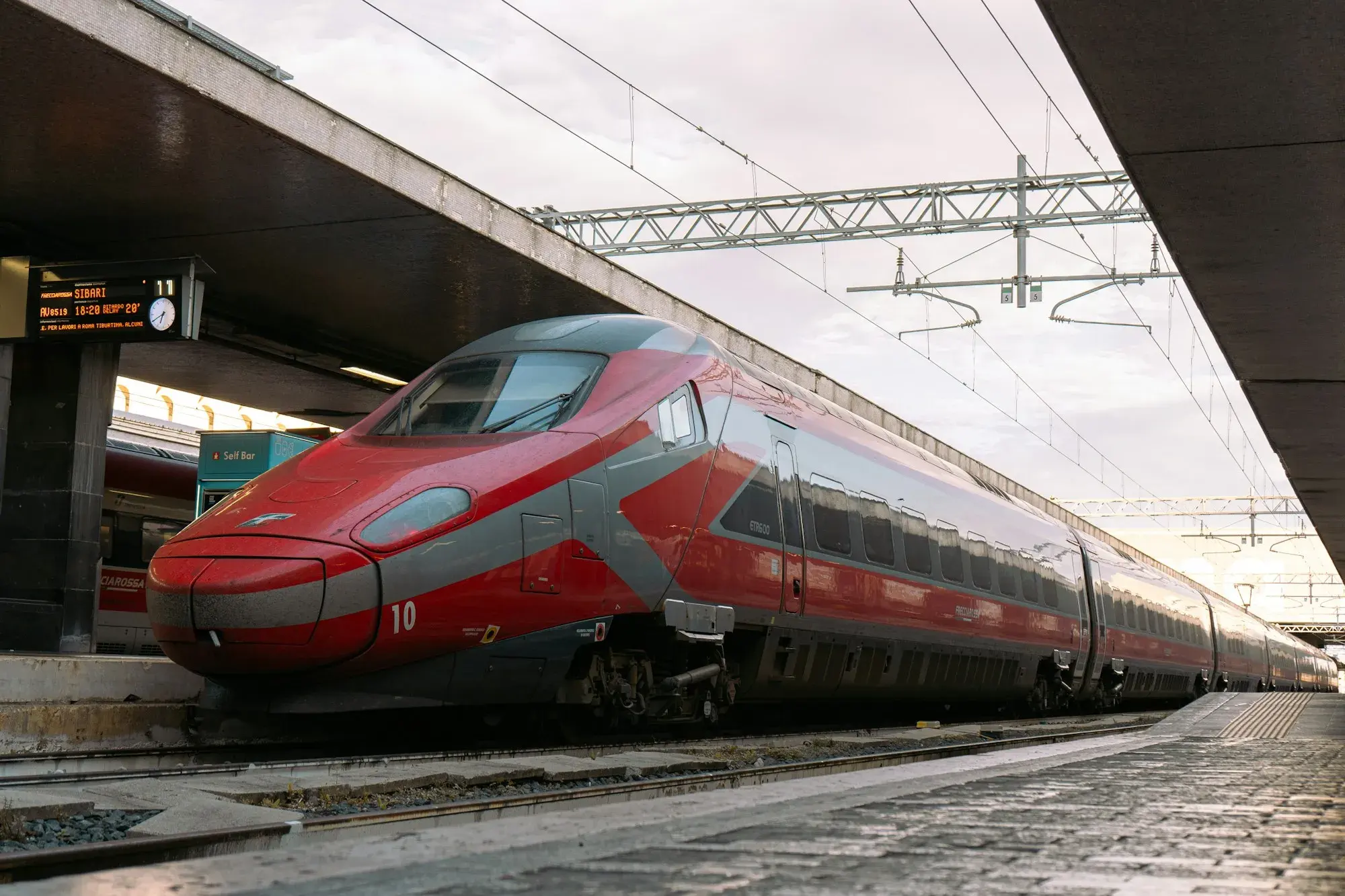
Traveling Around Italy by Train: Routes, Tickets and Tips
How Italy's rail network works, which trains to choose, how tickets work and what first-time travellers should know.
Updated 20 min read
Guide
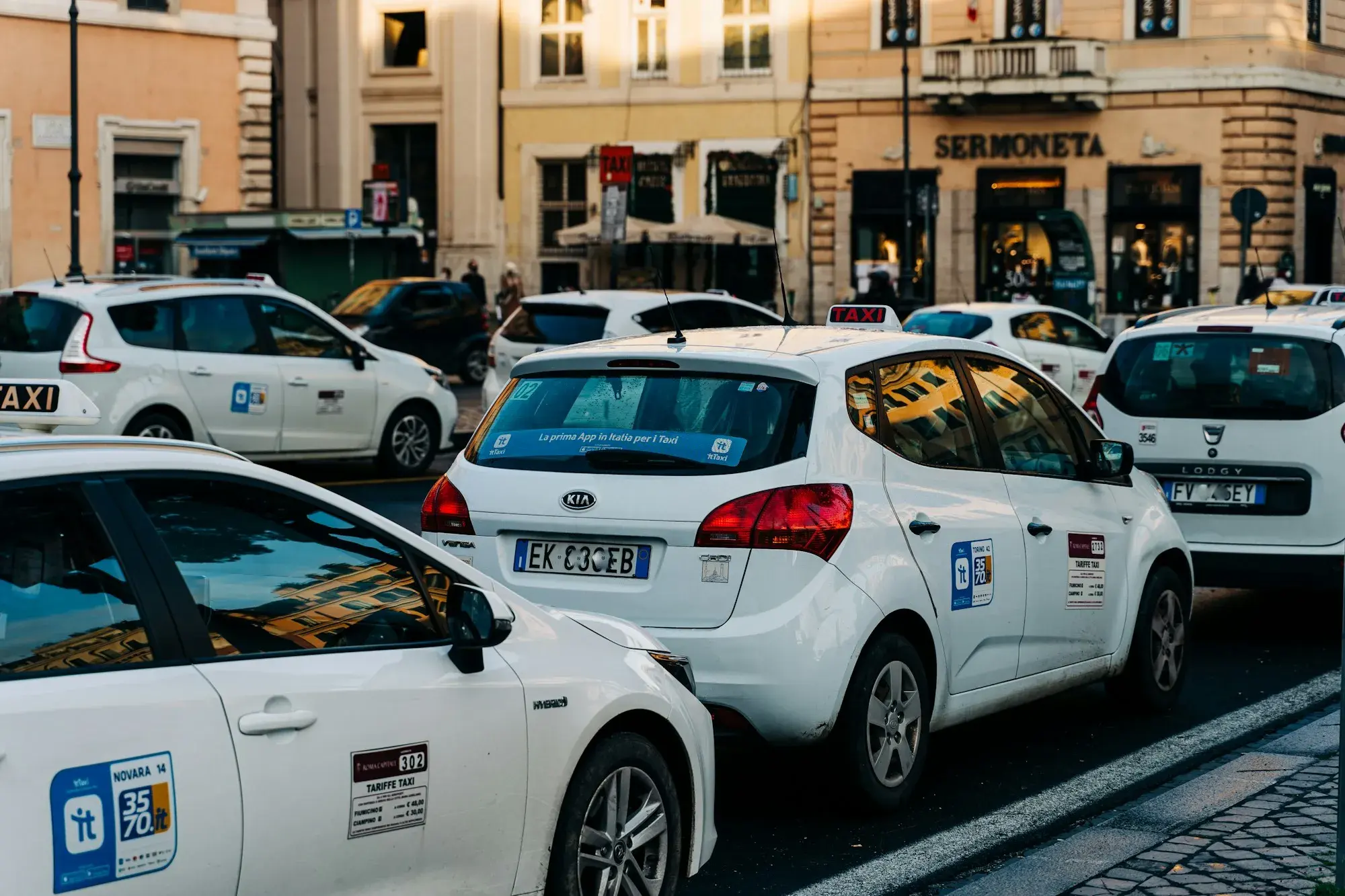
How Italian Airport Transfers Work: A Practical Guide
Taxis, fixed fares, private transfers, trains and buses: how to choose the right way out of Italy's main airports, and what to check before you book.
Updated 21 min read
Guide
Driving in Italy: Rules, Costs, Documents and Tips
What international visitors should know about licenses, road rules, ZTL zones, tolls, parking and renting a car in Italy.
Updated 30 min read

Guide
Best Time to Visit Italy: Weather and Seasons by Region
From city breaks and coastal escapes to mountain trips and food-focused journeys, find the season that fits your Italy itinerary.
Updated 27 min read
Explore more travel
More stories and guides from Life in Italia.