How Much Does a Trip to Italy Cost? A Practical Budget Guide
What's fixed, what varies and what things actually cost in 2026 — with worked examples and a worksheet for building your own Italy budget.
Editorial Team
- Published
- Updated
- Reading time
- 19 min read
Short answer
There's no single honest figure for "the cost of Italy". Two travellers on the same route can spend very different amounts, depending mostly on accommodation, then destination, season, how you move around, how you eat, which attractions you pay for and how long you stay. This guide doesn't invent averages. Instead it shows which costs are fixed and which vary, gives verified September 2026 prices for things that have a set price — airport trains, city transport tickets, major museums — and walks you through building a budget from real quotes for your own dates.
Throughout, prices are in euros, for one adult, and were checked on official sites in September 2026. They change: treat them as a snapshot and confirm them before you book. Flights to Italy are excluded unless we say otherwise.
Italy budget at a glance
This table describes budget levels by what you choose rather than by invented euro amounts. Your own quotes for accommodation and trains will turn it into numbers.
| Travel style | Accommodation | Food | Transport | Attractions | Overall approach |
|---|---|---|---|---|---|
| Budget | Hostels, simple guesthouses, rooms outside the centre | Bakeries, markets, street food, one simple sit-down meal | Regional trains, early high-speed fares, walking, buses | Free sights plus one or two major tickets per city | Few bases, slow pace, shoulder or low season |
| Mid-range | Central 2–3-star hotels, B&Bs, apartments | Café breakfast, casual lunch, trattoria dinner | High-speed trains booked ahead, public transport | The main museums and sites you care about | The comfortable default for most first trips |
| Comfortable | Central 4-star or boutique hotels | Sit-down lunches and dinners, aperitivo | Flexible train tickets, occasional taxis | Most major sights, some guided tours | More convenience, fewer compromises on location |
| Premium | 5-star or luxury hotels, villas | Fine dining, wine experiences | First-class trains, private transfers, drivers | Private tours and special access | Budget set by choices, not by Italy |
The biggest costs, fixed and variable
It helps to separate costs that have a published price from those that move with demand.
| Cost | Fixed or variable? | What drives it |
|---|---|---|
| Accommodation | Highly variable | City, neighbourhood, season, weekday vs weekend, how far ahead you book |
| Flights to Italy | Highly variable | Departure country, season, airport, baggage, booking timing |
| High-speed trains | Variable | Demand-based fares; cheaper fares sell out; flexible tickets cost more |
| Regional trains | Mostly fixed | Set fares by distance, whenever you buy |
| City public transport | Fixed | Published single tickets and passes in each city |
| Airport trains and buses | Fixed | Published fares (see below) |
| Museums and sites | Mostly fixed | Published prices; some add online booking fees or seasonal rates |
| Food | Variable by choice | Where and how you eat more than the city itself |
| Tours and experiences | Variable | Group or private, length, inclusions |
| Car rental | Highly variable | Season, car size, insurance, one-way fees, plus fuel, tolls and parking |
| Tourist taxes | Fixed locally | Set by each municipality; vary by accommodation type |
| Travel insurance and mobile data | Variable | Your provider and cover |
Verified reference prices (September 2026)
These are published prices for things most visitors pay for, checked on the operator's official site. They're per adult, one way or one entry, unless stated.
| Item | Price | Notes and source |
|---|---|---|
| Leonardo Express, Fiumicino ↔ Roma Termini | €14 | Non-stop train; a 4-ticket group fare costs €40 (Trenitalia) |
| Malpensa Express, Malpensa ↔ Milan stations | €15 (children 4–13: €7.50) | Trenord / Malpensa Express |
| Rome public transport, 100-minute ticket | €1.50 | Includes one metro ride; contactless Tap & Go accepted (ATAC) |
| Venice ACTV ticket, 75 minutes | €9.50 | Water buses, buses and trams; 3-day pass €45 (Venezia Unica) |
| Venice airport transfers | ACTV bus from €10; Alilaguna water bus from €18 | Venezia Unica sales listings |
| Turin public transport, 100-minute ticket | €1.90 | Buy on board by contactless card (GTT) |
| Turin airport train to Porta Susa | €3.70 | Torino Airport |
| Turin airport bus (Arriva) | €7.50 | Stops at Porta Nuova and Porta Susa (Arriva) |
| Verona Airlink bus, airport ↔ Porta Nuova | €7 | Valid 75 minutes, including city buses (ATV) |
| Vatican Museums and Sistine Chapel | €20, or €25 booked online | The €5 difference is the official online booking fee (Vatican Museums) |
| Trevi Fountain, basin area | €2 | Ticket required until 22:00; the fountain is free to see from the square (Roma Capitale) |
| Doge's Palace, Venice | €35; €30 online 30+ days ahead | Includes the Correr and other St Mark's Square museums (Musei Civici) |
| Gallerie dell'Accademia, Venice | €20 | Gallerie dell'Accademia |
| Castelvecchio, Verona | €9 | Musei Civici di Verona |
| Archiginnasio and Anatomical Theatre, Bologna | From €10; €12 with a guide | Online booking compulsory (Bologna Welcome) |
| San Petronio chapels, Bologna | €5 | The basilica itself is free (Basilica di San Petronio) |
| Palazzo Reale and Cappella Palatina, Palermo | €19 (Thu–Mon); €15.50 (Tue–Wed) | Royal Apartments not included Tue–Wed (Fondazione Federico II) |
| St Peter's Basilica | Free | Optional paid timed booking; the dome has its own ticket |
Two widely used prices come from official listings we couldn't load directly from here, so check them before relying on them: according to the Parco archeologico del Colosseo's listings, its standard 24-hour Colosseum, Forum and Palatine ticket costs €18, with a small online booking fee; and according to the Ministry of Culture's listings, Pantheon entry rose to €7 from 1 July 2026.
How much does it cost per day?
A daily budget only means something if you say what it includes. Use these frameworks to set yours; add real numbers from your own quotes.
| Budget traveller | Mid-range traveller | Comfortable traveller | |
|---|---|---|---|
| Accommodation | Included — dorm or simple private room | Included — central double, shared cost | Included — central 4-star or boutique |
| Food | Bakery or market breakfast and lunch, one simple dinner | Café breakfast, casual lunch, trattoria dinner | Two sit-down meals, aperitivo, some wine |
| Local transport | Walking and single tickets | Tickets or day passes | Public transport plus occasional taxis |
| Major attractions | About one paid site a day, averaged | One or two a day where you want them | Most you're interested in, some with tours |
| Intercity trains | Excluded — add per journey | Excluded — add per journey | Excluded — add per journey |
| International flights | Excluded | Excluded | Excluded |
| Shopping and souvenirs | Excluded | Excluded | Excluded |
Keep intercity trains, flights and shopping outside the daily figure, because they happen on particular days and vary enormously between trips. Comparing "daily budgets" online is only useful when you know what the other person included.
How trip length changes the cost
Longer trips don't cost the same per day as short ones. A three-day city break concentrates the expensive parts — airport transfers, the most famous museums, central hotels at weekend rates — into a few days. On a longer trip, those fixed costs are spread out, and travellers tend to slow down.
| Length | Typical shape | Effect on daily cost |
|---|---|---|
| 3 days | One city | Airport transfers and big-ticket sights weigh heavily; weekends can be the priciest nights |
| 5 days | One or two cities | Similar to a city break, with one train journey |
| 7 days | Two or three bases | Intercity trains added; fewer major tickets per day than on a city break |
| 10 days | Three bases, or two plus day trips | Room for a slower day or a cheaper town; more meals out overall |
| 14 days | Three or four bases, or a regional road trip | Weekly apartment rates and slower days can lower the average |
| 21 days | Several regions | More regional travel and possibly car rental; daily attraction spend usually falls |
Changing hotels often also costs money — each move adds a train fare, perhaps a taxi, and sometimes a fee for a single-night stay — so fewer bases usually cost less as well as feeling less rushed.
How costs differ between destinations
We don't rank Italian cities by price, because the same city can be expensive in one week and reasonable in another. It's more useful to understand what pushes costs up in each place.
| Destination | What raises costs | What helps |
|---|---|---|
| Rome | Central hotels near the main sights; several paid major sites; peak holidays | Walkable centre, cheap public transport (€1.50 for 100 minutes), many free churches and squares |
| Venice | Limited, high-demand accommodation in the historic centre; water transport (€9.50 per 75-minute ticket); luggage logistics | Walking, multi-day transport passes, staying longer to spread costs |
| Florence | Compact centre with strong demand; seasonal pricing at major museums | Everything walkable; bakeries and markets |
| Milan | Trade fairs and fashion and design weeks push up hotel prices | Good public transport; many free sights and neighbourhoods |
| Naples | Peak-season coast trips from the city | Street food and pizza; walkable centre |
| Bologna | Large trade fairs fill hotels | Compact centre, free basilica and porticoes |
| Turin | Major events and fairs | Walkable centre, public transport (€1.90 for 100 minutes) |
| Verona | Opera season and trade fairs push up hotel prices | Compact centre; lake and wine trips by public transport |
| Palermo | Tours to sites outside the city | Street food and markets; free churches |
| Smaller towns | Few hotels in peak season; car often needed | Often lower accommodation prices outside holidays |
For more on each city, see our guides to Rome, Florence, Venice, Milan, Naples, Bologna, Turin, Verona and Palermo.
Accommodation
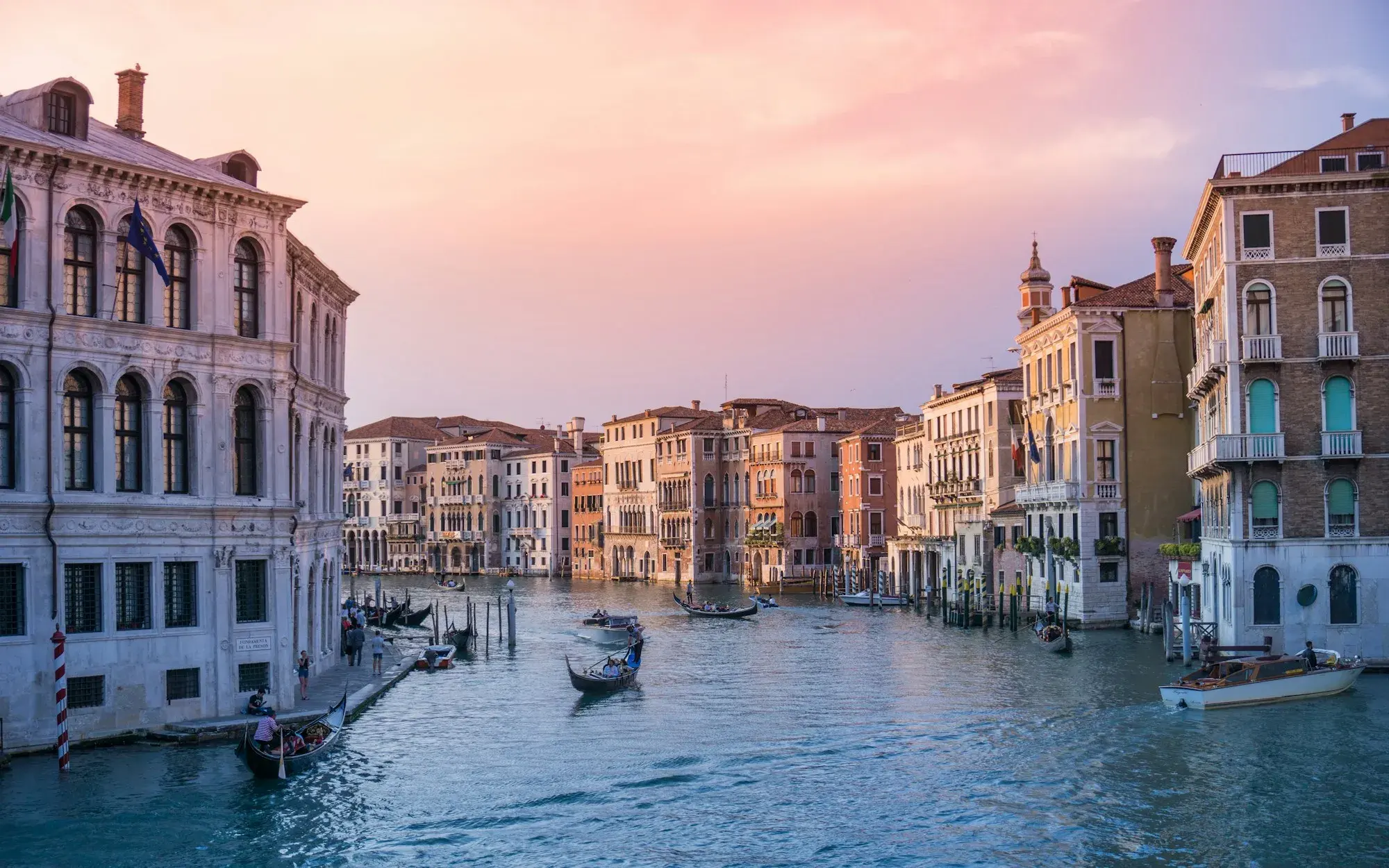
Accommodation is usually the largest cost and the one you control most. The main types:
- Hostels — dorm beds and private rooms; mostly in larger cities.
- Budget hotels and guesthouses — simple rooms, sometimes with shared bathrooms or no breakfast.
- Mid-range hotels and B&Bs — the most common choice; check the location as carefully as the price.
- Apartments — good for families and longer stays; watch cleaning fees and check-in arrangements.
- Agriturismi — farm stays in the countryside; usually need a car.
- Boutique and luxury hotels — location, service and design at a premium.
What moves the price: the city and neighbourhood, season, weekdays versus weekends, local events and trade fairs, room type, whether breakfast is included, cancellation terms and how far ahead you book. Staying a little outside the most expensive core — in a well-connected neighbourhood rather than next to the main sight — often saves more than any other decision.
Tourist taxes and extra fees
Many Italian municipalities charge a tourist tax (imposta or contributo di soggiorno) per person per night. Amounts are set locally, usually vary with the type and category of accommodation, may apply only for a set number of nights and can change from year to year. It's often paid at the accommodation and may not be included in the price you see when booking.
Venice has also trialled an access fee for day visitors on set dates; according to the City of Venice, the 2026 trial ended on 26 July, and future use is for the city to decide. Don't assume one city's rules apply elsewhere: check the municipality's or accommodation's information for each stop.
Food
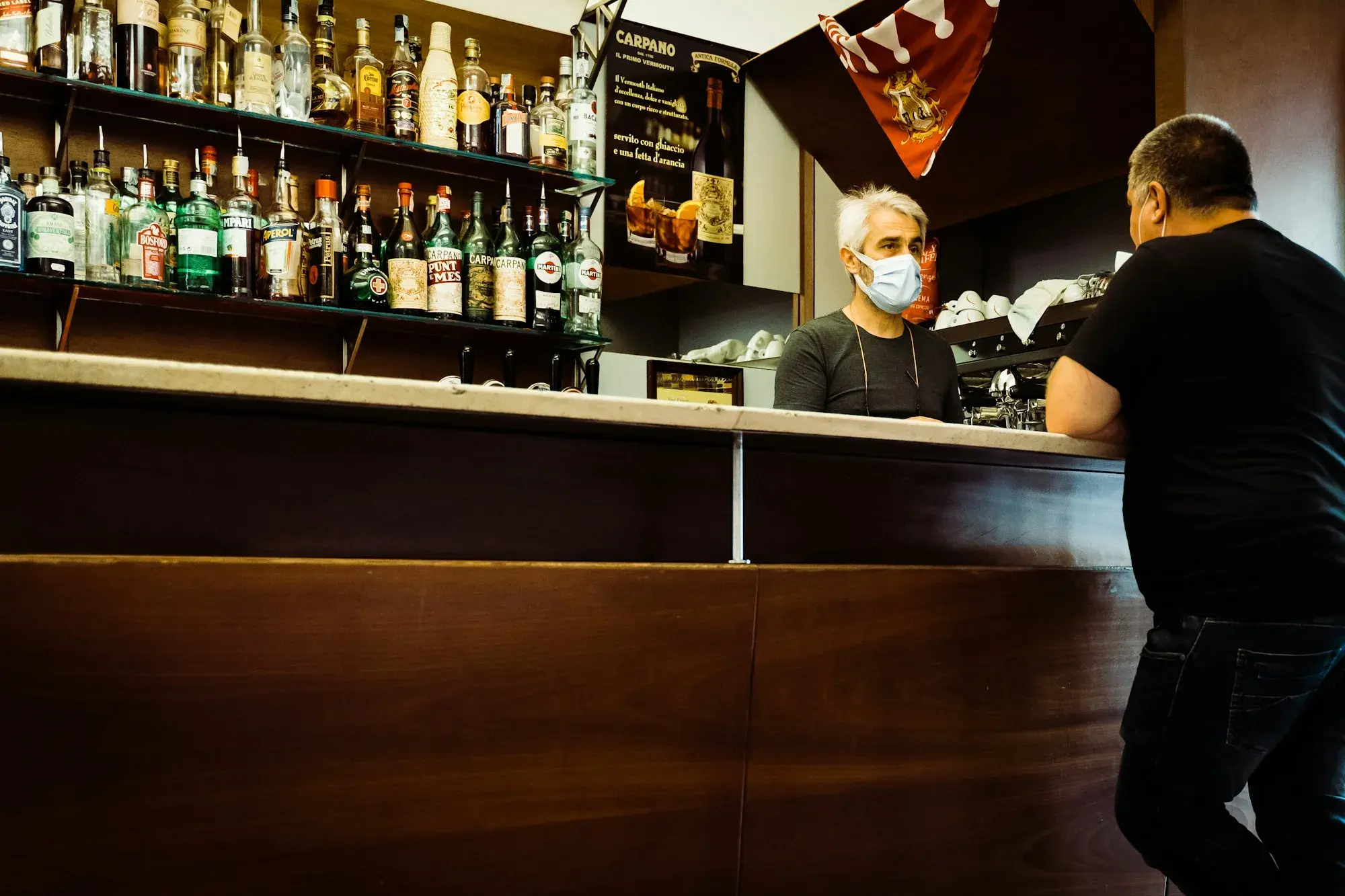
How you eat changes your budget more than where you eat. A day of bar breakfasts, bakery lunches and a trattoria dinner costs very differently from a day of restaurant lunches and a wine-led dinner, in the same city.
| Type of meal | How it fits a budget |
|---|---|
| Coffee and pastry at the bar | One of Italy's best-value habits; standing at the counter is usually cheaper than table service |
| Bakery or market lunch | Pizza al taglio, focaccia, sandwiches or street food keep lunch simple |
| Casual lunch | A pasta course on its own is normal in most trattorias |
| Aperitivo | A drink with snacks in the early evening; sometimes a light dinner substitute |
| Pizza | Usually one of the most affordable sit-down dinners |
| Trattoria or osteria dinner | The mid-range default |
| Fine dining | A separate budget line |
Many restaurants add a coperto (cover charge) per person, and some a service charge; both should be shown on the menu. Tipping isn't expected in the way it is in some countries; leaving a little for good service is up to you. For how meals work, see Italian food traditions and Italian coffee culture.
Small daily expenses
- Coffee and snacks — small amounts, several times a day.
- Water — carry a bottle; many cities have public drinking fountains.
- Gelato — one of the cheaper treats, but daily treats add up.
- Public toilets — some charge a small fee; cafés usually expect you to buy something.
- Luggage storage — useful on travel days between check-out and your train.
Train costs
Italy has two kinds of train that price very differently:
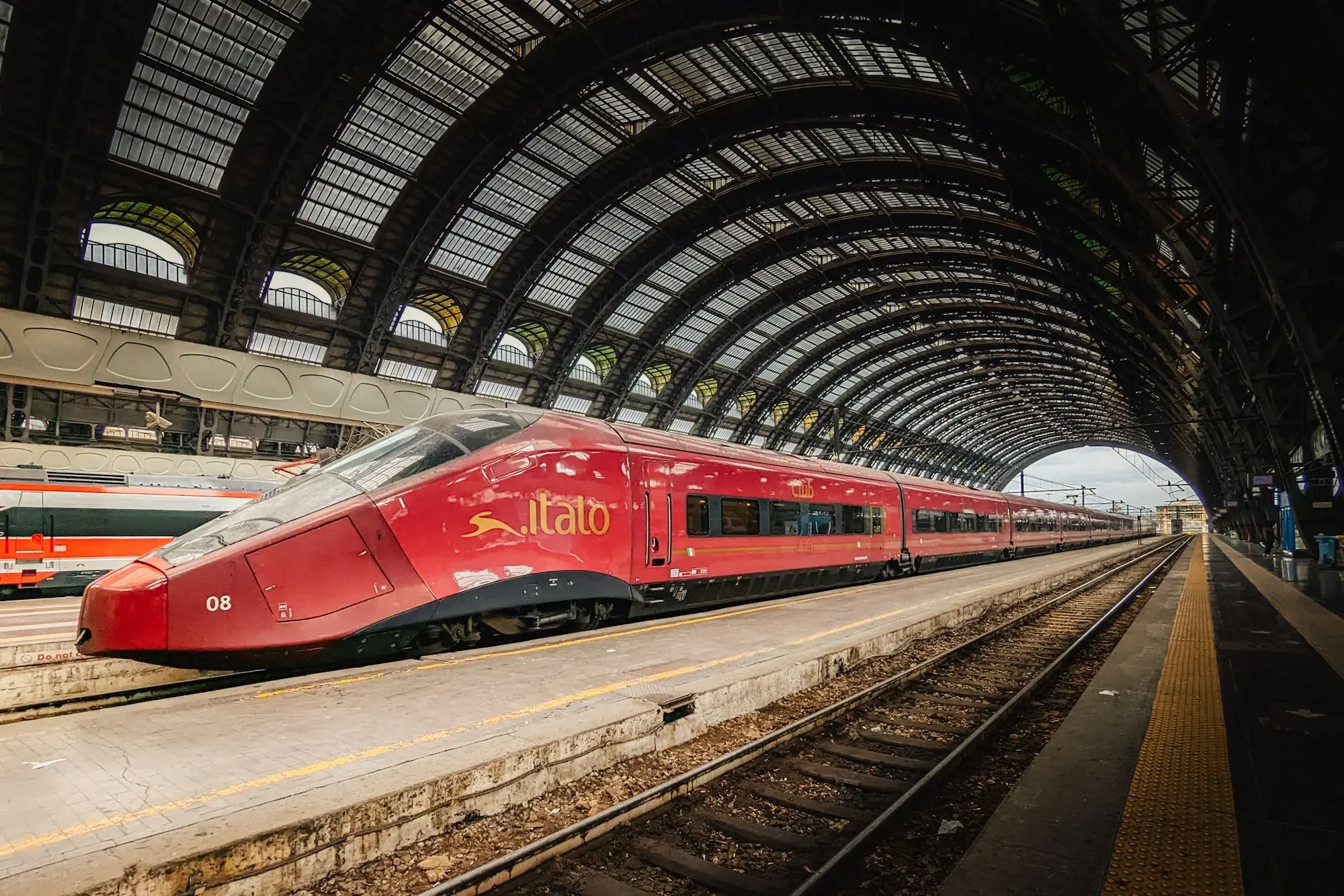
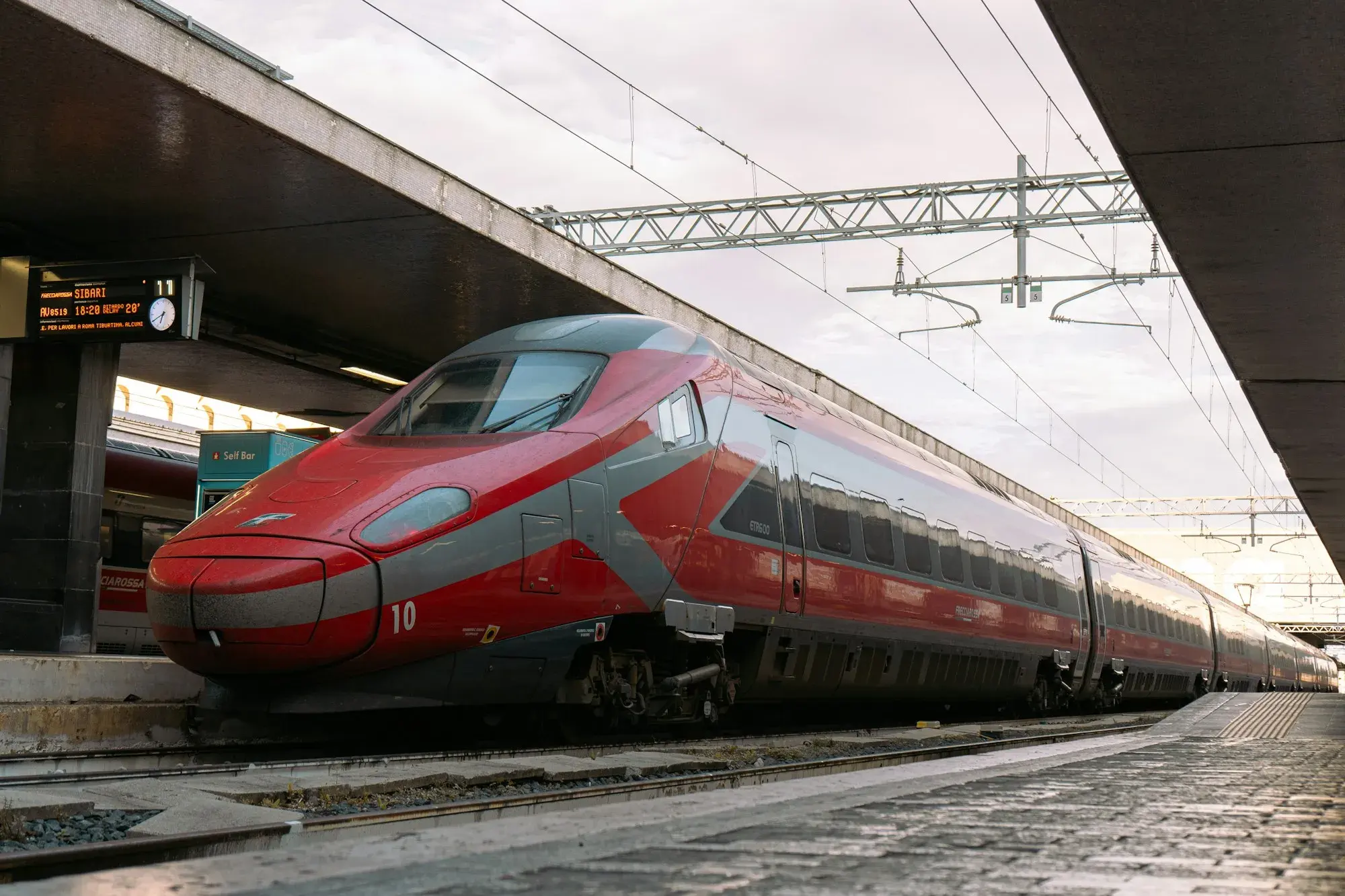
- High-speed trains (Trenitalia's Frecciarossa and Italo) — fares work like airline fares: they depend on demand, booking time and flexibility. Cheaper fares are limited and sell out; flexible fares cost more but can be changed. Seats are assigned.
- Regional trains — fixed fares by distance, whenever you buy, with no seat reservations. They're slower but cheap for short hops and day trips.
Book high-speed trains as soon as your dates are fixed, especially for Fridays, Sundays and holidays. Trenitalia also sells a pass for international visitors, and European rail passes cover Italy, but high-speed trains usually need a paid seat reservation on top; compare the pass with point-to-point fares for your actual route. Read Italy by train for how tickets work, and getting between Italian cities for route planning.
Local transport and airport transfers
In most historic centres you'll walk, so local transport is modest. It becomes significant in Venice, where most journeys by boat require a ticket, and whenever you use taxis. Airport transfers are a fixed, easily forgotten cost: use the verified fares above, and compare a train or bus with a taxi. Some cities set fixed taxi fares between the airport and the centre — Rome's apply per car to destinations inside the Aurelian Walls — which can make a taxi reasonable for a family or group. See Italian airport transfers.
Renting a car
A car's cost is far more than the daily rental rate:
- Rental — varies by season, car size and how far ahead you book; automatic cars are less common and can cost more.
- Insurance and excess — check what's included and what you'd pay after damage.
- Fuel — Italy publishes official fuel price data, and prices vary by region and road.
- Tolls — most motorways (autostrade) are tolled by distance; the operator's calculator shows the cost of a route.
- Parking — often paid in towns and hard to find in cities.
- ZTL fines — driving into a limited traffic zone without permission can bring fines, sometimes arriving months later.
- One-way fees — picking up in one city and dropping off in another often adds a charge.
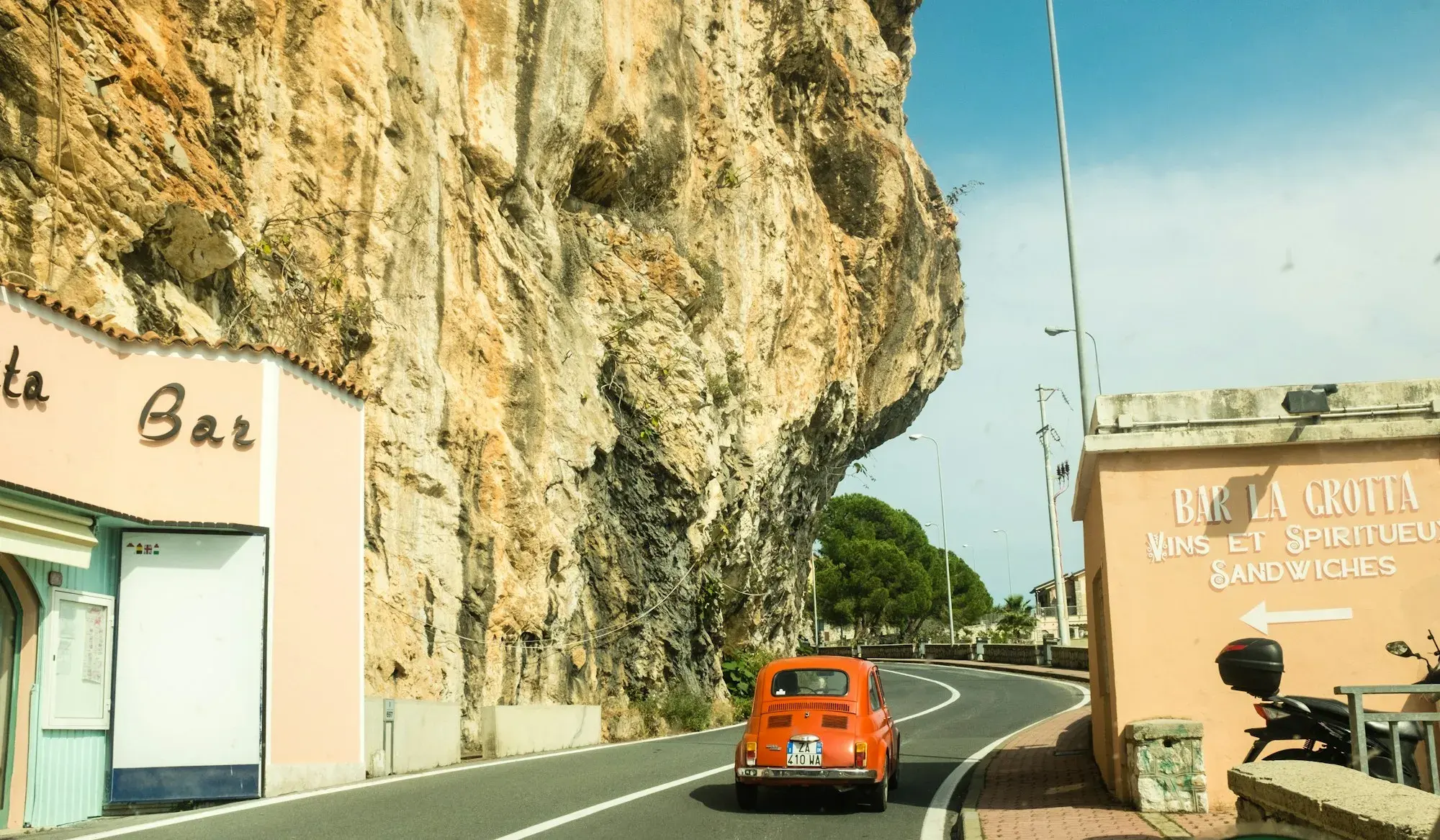
A car makes economic sense for countryside, islands and small towns, especially for families or groups sharing the cost. For city-to-city travel, trains are usually simpler and avoid parking and ZTL costs. Read driving in Italy before deciding.
Attractions and museums
Italy has countless free sights — squares, fountains, many churches, views and markets — alongside ticketed museums and archaeological sites. If you plan to visit several major sites, give attractions their own budget line rather than treating them as incidental: in Rome alone, the Vatican Museums (€25 booked online), the Colosseum area and the Pantheon add up quickly. Some sites add online booking fees, some charge more in high season, and special exhibitions or guided routes cost extra. State museums offer free entry on certain days, but those days are usually the busiest.
Tours and experiences
Walking tours, food tours, wine tastings, boat trips, cooking classes, guided museum visits and day trips are optional, and they can change a budget substantially. Decide which one or two matter most, price them for your dates, and add them as separate lines. Group tours cost much less per person than private ones; for families or groups of four or more, a private guide can sometimes compare reasonably.
Flights to Italy
International airfare depends on where you fly from, when, which Italian airport you use, whether you fly direct, baggage allowances and when you book. It can be the largest single cost for long-haul travellers and a small one for short flights within Europe. We exclude flights from every budget in this guide: price them separately, and remember to add baggage fees and airport transfers at both ends.
Hidden and often-forgotten costs
- Tourist taxes — often paid on arrival or departure at the accommodation.
- Baggage fees — especially on low-cost flights.
- Airport transfers — at both ends of the trip.
- Luggage storage — on moving days.
- Booking fees — some official attraction sites add them for online reservations.
- Card and currency fees — check your bank's charges, and when a card machine offers to charge you in your home currency, choosing euros usually avoids a conversion mark-up.
- Travel insurance — including medical cover.
- Mobile data — roaming, a local SIM or an eSIM.
- Laundry — on longer trips.
- Cover and service charges — at restaurants.
- Tolls, parking and fuel — on road trips.
How to save without making the trip miserable
- Travel in the shoulder season when your dates are flexible, and avoid major events and holidays for accommodation.
- Stay slightly outside the most expensive core, in a neighbourhood with good transport links.
- Book high-speed trains early, and use regional trains for short journeys.
- Group sights geographically so you walk more and pay for fewer taxis.
- Mix free and paid sights: many of Italy's best experiences are squares, churches and views.
- Alternate sit-down meals with casual food: a bakery lunch pays for a better dinner.
- Change hotels less often: fewer moves mean fewer fares and less lost time.
- Compare group and family fares, such as the Leonardo Express group ticket.
Sample budgets: who pays for what
Costs scale differently depending on who's travelling. That's why the same trip can cost a solo traveller more per person than a couple:
| Traveller | Key assumptions | How costs behave |
|---|---|---|
| Solo traveller | Single room or hostel; public transport | Accommodation isn't shared, so it's the biggest per-person cost; single rooms may cost almost as much as doubles |
| Couple | Double room; shared taxis | Accommodation and taxis are split; tickets and food are per person |
| Family (2 adults, 2 children) | Family room or apartment; public transport | Children often get reduced or free entry; family and group fares help (e.g. Malpensa Express child fare €7.50); taxis with fixed fares can compete with four train tickets |
| Budget traveller | Hostel or simple room; regional trains; free sights | Low fixed costs; high-speed trains only if booked early |
| Mid-range traveller | Central 2–3-star hotel; high-speed trains booked ahead | Balanced spending across categories |
| Comfortable traveller | Central 4-star; flexible tickets; taxis | Accommodation and convenience dominate the total |
Worked examples: seven days in Rome, Bologna and Venice
These examples use one route: arrive at Rome Fiumicino, three nights in Rome, two in Bologna, two in Venice, and fly home from Venice Marco Polo. Lines marked verified use the September 2026 prices above, per adult. Lines marked your quote vary too much to estimate honestly: fill them in with real prices for your dates. They are planning examples, not averages.
Example A: seven days, budget-conscious
| Category | Choices | Amount |
|---|---|---|
| Accommodation (7 nights) | Hostel or simple room outside the busiest core | Your quote |
| Intercity trains | Rome–Bologna and Bologna–Venice, earliest cheap fares or regional trains | Your quote |
| Airport and local transport | Leonardo Express €14; four Rome 100-minute tickets €6; two Venice 75-minute tickets €19; ACTV airport bus from €10 | About €49 (verified) |
| Attractions | Colosseum area (€18 + booking fee, per park listings); Pantheon €7; St Peter's and Bologna's basilica free | About €27 (mostly verified) |
| Food | Bakery and market lunches, pizza or simple trattoria dinners | Your estimate |
| Extras | Tourist taxes, contingency | Your quote |
Example B: seven days, mid-range
| Category | Choices | Amount |
|---|---|---|
| Accommodation (7 nights) | Central 2–3-star hotels or B&Bs | Your quote |
| Intercity trains | High-speed trains booked a few weeks ahead | Your quote |
| Airport and local transport | Leonardo Express €14; eight Rome 100-minute tickets €12; Venice one-day transport plus airport transfer from €32 | About €58 (verified) |
| Attractions | Vatican Museums €25; Colosseum area about €20; Pantheon €7; Trevi basin €2; Archiginnasio with guide €12; San Petronio chapels €5; Doge's Palace €30 booked early; Accademia €20 | About €121 (mostly verified) |
| Food | Café breakfasts, casual lunches, trattoria dinners, one aperitivo | Your estimate |
| Extras | Tourist taxes, one tour, contingency | Your quote |
Example C: seven days, comfortable
| Category | Choices | Amount |
|---|---|---|
| Accommodation (7 nights) | Central 4-star or boutique hotels | Your quote |
| Intercity trains | Flexible or higher-class high-speed fares | Your quote |
| Airport and local transport | Fixed-fare taxi from Fiumicino (per car); Venice water taxi or ACTV; taxis when tired | Your quote, plus verified tickets as needed |
| Attractions | As Example B, plus the Doge's Palace Secret Itineraries tour (€40 instead of €30) and guided visits | About €131 (mostly verified), plus tours |
| Food | Sit-down lunches and dinners, wine, aperitivo | Your estimate |
| Extras | Tourist taxes (higher for higher-category hotels), private tour, contingency | Your quote |
The verified lines show how much of a trip's cost has a published price — and how small it is next to accommodation, trains and food, which is why those deserve the most attention when you plan. For the route itself, see Rome in three days, Bologna in two days and Venice for first-time visitors.
Cost by trip type
- City break — few transfers, but the most famous sights and central hotels in a short time.
- First-time multi-city trip — intercity trains added; book the busiest routes early.
- Northern Italy — excellent rail links; city accommodation varies with fairs and events.
- Southern Italy — cities by train, but coasts and countryside often need ferries, buses or a car.
- Family trip — apartments, child concessions and fixed-fare taxis change the maths.
- Couple's trip — shared accommodation lowers per-person costs; restaurants and experiences often rise.
- Food-focused trip — meals and tastings become a main budget line rather than an extra.
- Road trip — rental, fuel, tolls and parking replace train fares; rural accommodation can be cheaper.
- Train-based trip — predictable local costs; high-speed fares reward early booking.
- Luxury trip — costs set by choices of hotel, dining and private services.
How to build your own budget
Step 1: Choose your dates
Season and events affect almost everything else.
Step 2: Choose your cities or regions
Keep bases to a sensible number for your trip length.
Step 3: Count the nights in each place
This drives accommodation, the largest cost.
Step 4: Get real accommodation quotes
For your exact dates, including taxes and fees where shown.
Step 5: Add intercity transport
Check train fares for your dates, or price a car with all its extras.
Step 6: Add local transport
Airport transfers and city tickets from official fares.
Step 7: Add food
Decide on a daily eating pattern and estimate from local menus.
Step 8: Add attractions
List the paid sights you actually want, with official prices.
Step 9: Add experiences
Tours, classes, tastings and day trips.
Step 10: Add insurance, mobile data and other costs
Including tourist taxes and luggage storage.
Step 11: Add a contingency
For the unexpected (see below).
| Line | How to estimate | Your figure |
|---|---|---|
| Accommodation | Nights × quoted rate, plus fees | |
| Tourist taxes | People × nights × local rate | |
| Intercity transport | Train or car quotes for your dates | |
| Airport transfers | Official fares, both ends | |
| Local transport | Tickets or passes per city | |
| Food | Daily pattern × days × people | |
| Attractions | Official prices for your list | |
| Experiences | Tours and classes you've chosen | |
| Insurance and mobile data | Your provider's quotes | |
| Contingency | Your chosen buffer | |
| Flights | Kept separate |
Leave a contingency
Plans change: a train is cancelled and you rebook at a higher fare, rain sends you into a taxi, a missed slot means buying a new ticket, luggage goes astray, or you need to pay an insurance excess. Leaving a buffer turns these into inconveniences rather than budget problems. How much is your choice; many travellers use a percentage of the total, such as 10–15%, as a planning convention rather than a rule.
When to visit Italy on a budget
Seasons affect hotel prices most, and flights, crowds and availability with them. Summer, Easter, Christmas and major events are typically the most expensive and heavily booked periods for cities and coasts; cities are often quieter in winter outside the holidays, while ski resorts are at their busiest. Coastal and island resorts may be partly closed outside the season. No month is guaranteed to be cheap everywhere, so compare prices for your own dates. See the best time to visit Italy for how seasons differ by region.
Before you book
0 of 10 done
The prices in this guide were checked on official sites in September 2026 and will change. For a full planning sequence, see our complete Italy travel guide and the Italy travel planning checklist; for other trip styles, a weekend at Lake Como and visiting the Dolomites.
Topics
Frequently asked questions
Editorial note
Information such as transport schedules, prices, opening hours and entry requirements can change. Check the relevant official source before making a booking or travelling. Read our editorial policy or report a correction.
Official price sources
- Trenitalia — Leonardo Express (opens in a new tab) — Fiumicino train fare
- Malpensa Express — prices (opens in a new tab) — Malpensa train fare
- Venezia Unica — ACTV tickets (opens in a new tab) — Venice public transport
- GTT — Tap&Go (opens in a new tab) — Turin public transport
- ATV Verona — airport shuttle (opens in a new tab) — Verona Airlink
- Vatican Museums — tickets (opens in a new tab) — admission and booking fee
- Trevi Fountain access — Roma Capitale (opens in a new tab) — basin-area ticket
- Doge's Palace — visitor information (opens in a new tab) — tickets
- Palazzo Reale di Palermo (opens in a new tab) — tickets
- Parco archeologico del Colosseo (opens in a new tab) — Colosseum tickets
About the author
Editorial Team
Editorial Team
Researches, writes and updates stories and guides about Italy.
More from Editorial TeamWas this guide useful?
Keep reading
Guide
The Complete Italy Travel Guide: How to Plan Your First Trip
How many days you need, which places to combine, when to go, what it costs and how to get around — a step-by-step framework for planning a first trip to Italy.
Updated 22 min read
Guide
Traveling Around Italy by Train: Routes, Tickets and Tips
How Italy's rail network works, which trains to choose, how tickets work and what first-time travellers should know.
Updated 20 min read
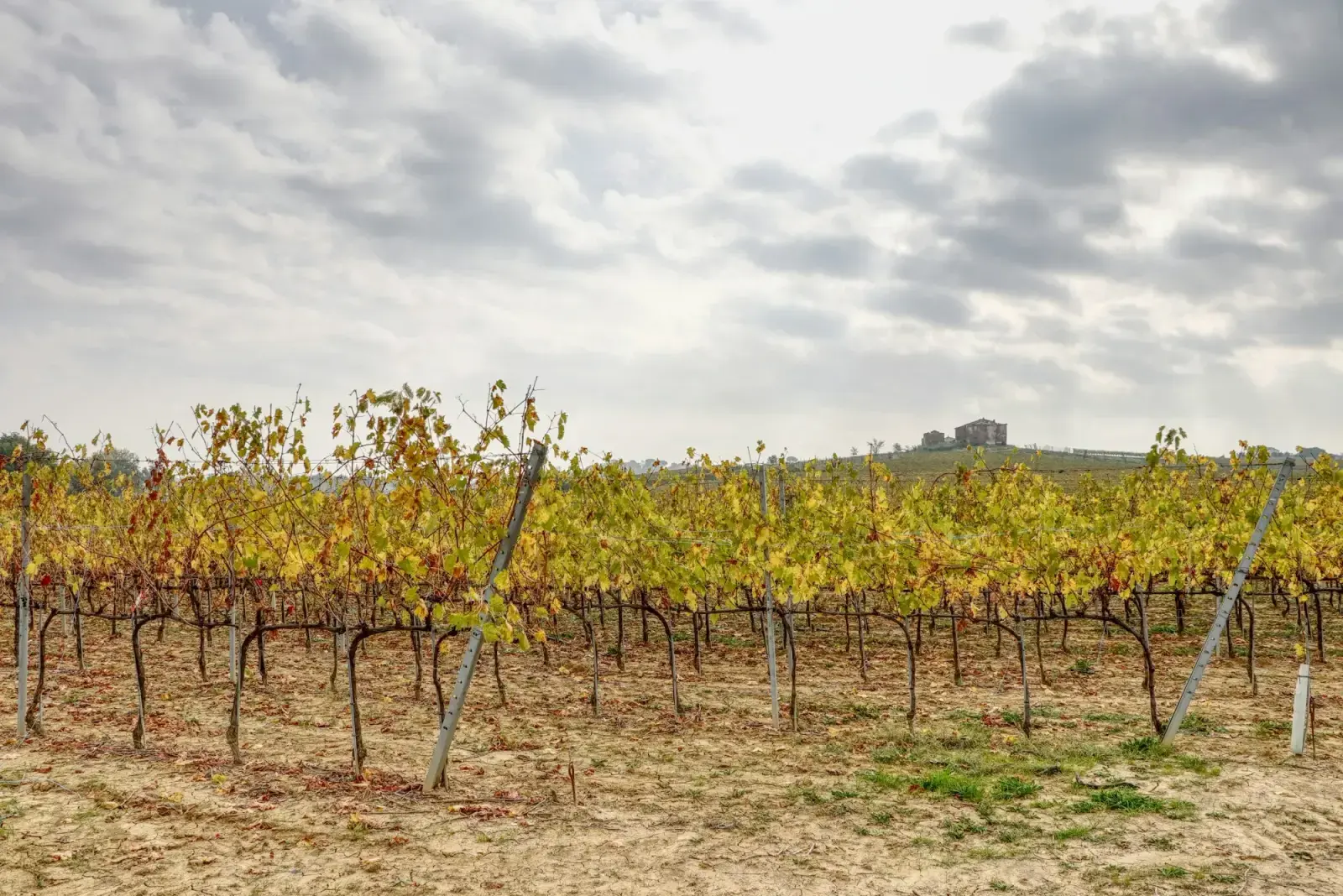
Guide
Best Time to Visit Italy: Weather and Seasons by Region
From city breaks and coastal escapes to mountain trips and food-focused journeys, find the season that fits your Italy itinerary.
Updated 27 min read
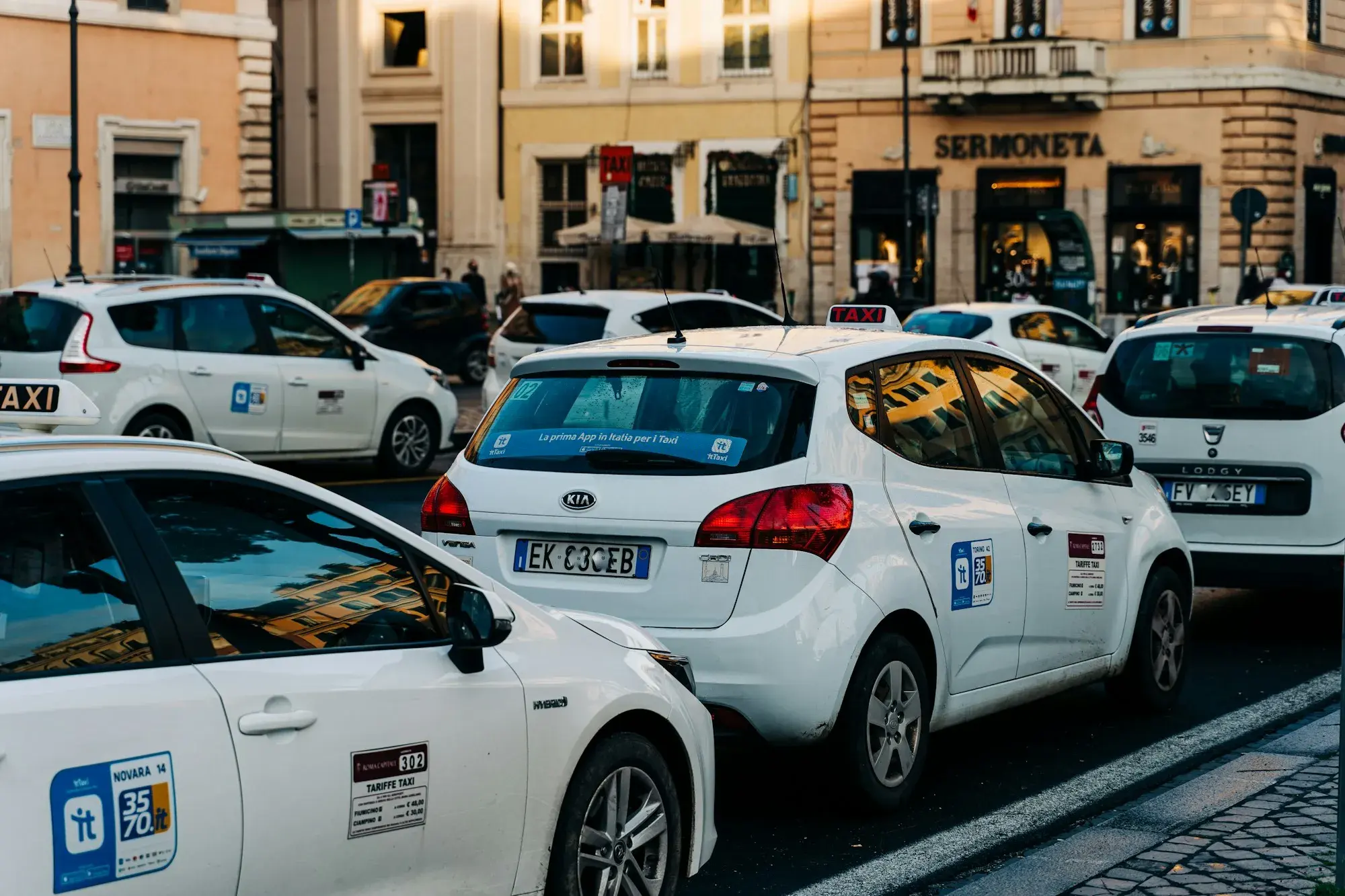
Guide
How Italian Airport Transfers Work: A Practical Guide
Taxis, fixed fares, private transfers, trains and buses: how to choose the right way out of Italy's main airports, and what to check before you book.
Updated 21 min read
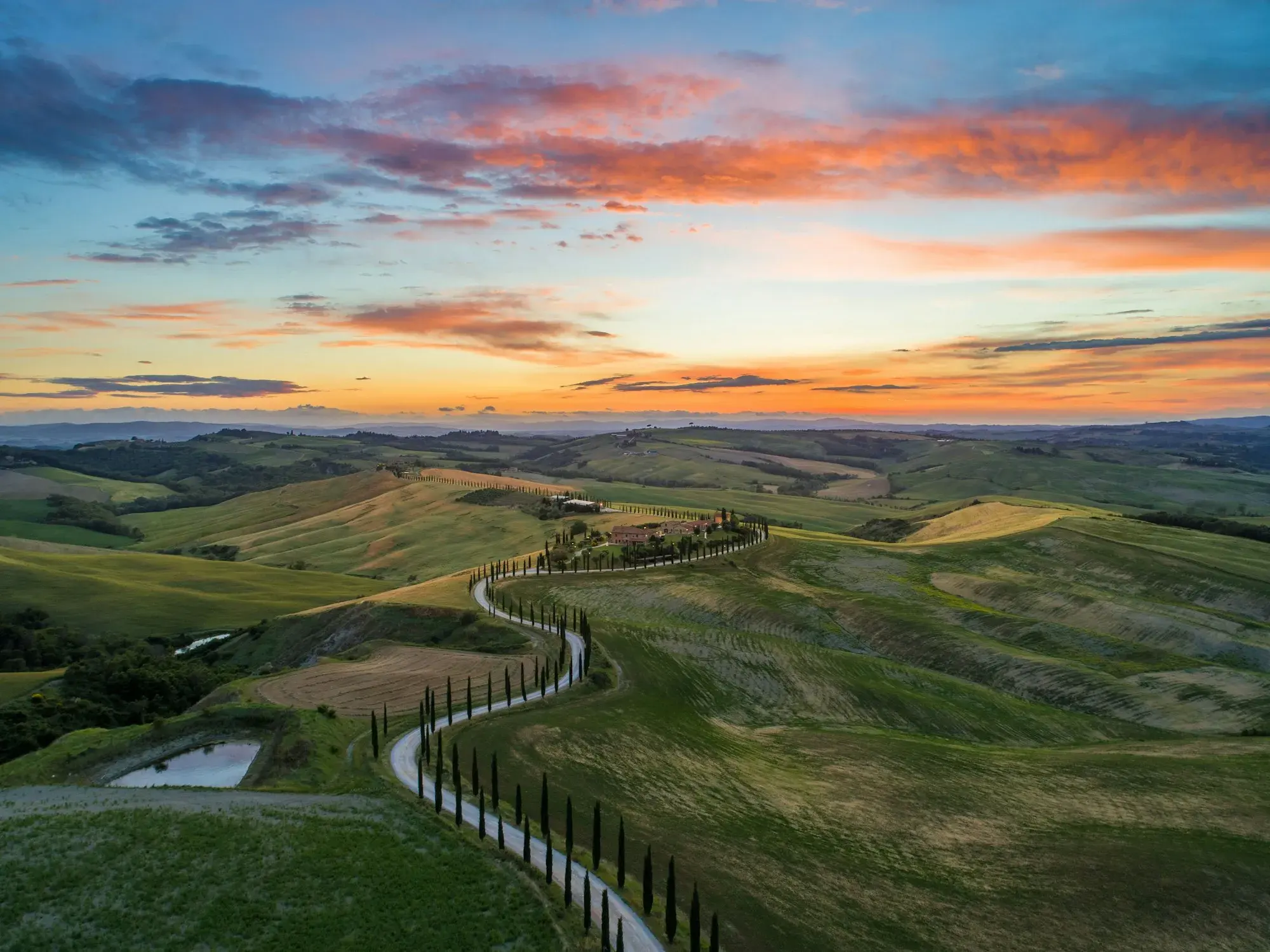
Guide
Driving in Italy: Rules, Costs, Documents and Tips
What international visitors should know about licenses, road rules, ZTL zones, tolls, parking and renting a car in Italy.
Updated 30 min read
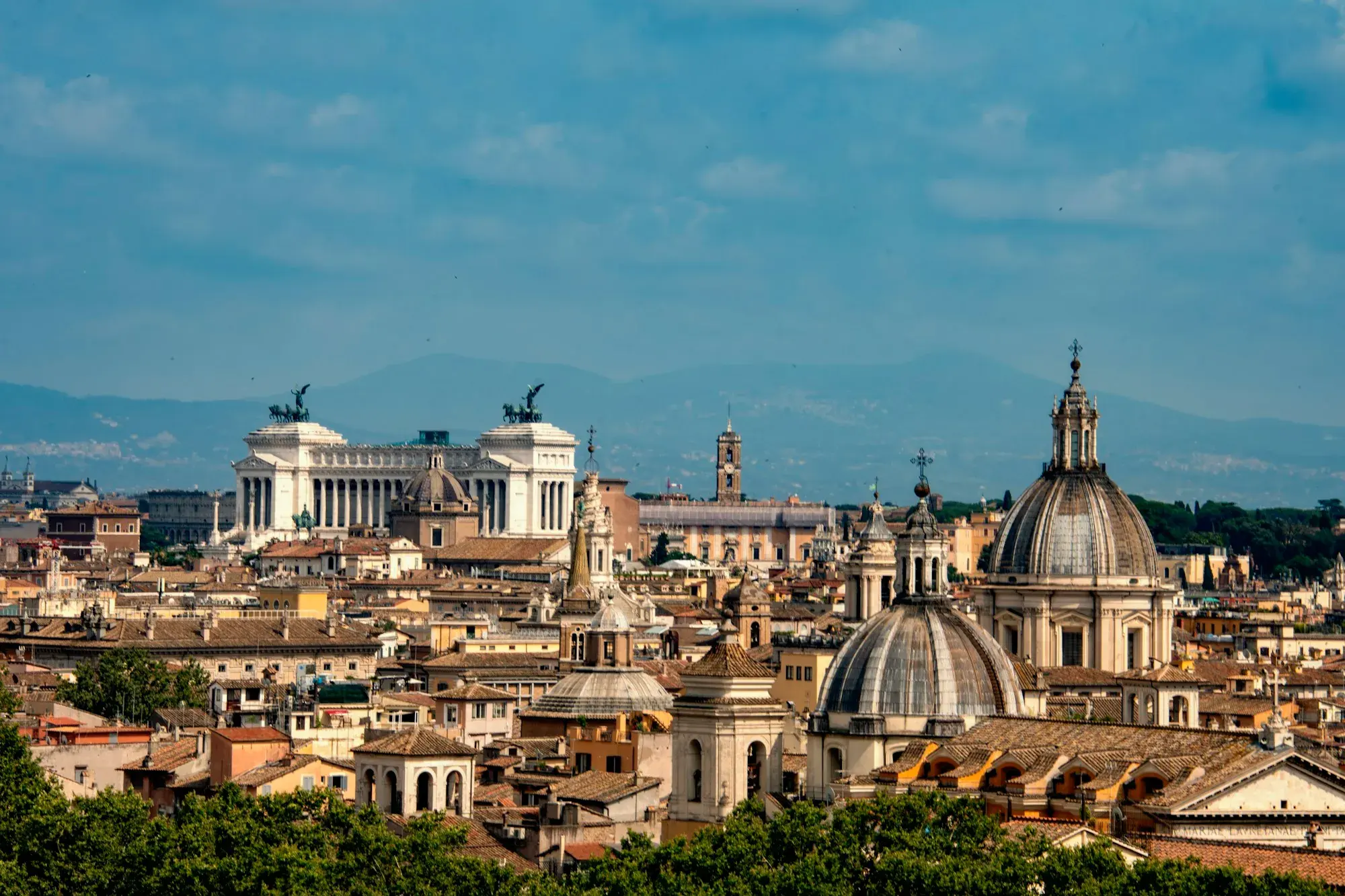
Guide
Rome in Three Days: A Practical First-Time Itinerary
One area per day — ancient Rome, the Vatican, the historic centre — with what to book, how to get around and what to skip if you run out of time.
Updated 16 min read
Explore more travel
More stories and guides from Life in Italia.